The Mumbai-Ahmedabad High-Speed Rail corridor has completed over 100 kilometers of piers on its 135.45-kilometer elevated corridor in Maharashtra, which relies heavily on an elevated design totaling 124.027 kilometers. Construction includes three elevated stations—Thane, Virar, and Boisar—with the Thane Station concourse built approximately 12 meters above ground to protect nearby mangrove ecosystems.
The National High Speed Rail Corporation Ltd (NHSRCL) manages construction from Shilphata in Thane to Zaroli near the Maharashtra-Gujarat border. NHSRCL has deployed nine casting yards, seven full-span launching gantries, and eight segmental launching gantries to maintain the construction pace across the corridor.
The project cost escalated from
about Rs 1.1 lakh crore to approximately Rs 2.1 lakh crore. The Railway Ministry attributes the increase mainly to prolonged land acquisition delays in Maharashtra and delays in receiving train sets from Japan. Railway Board Chairman Satish Kumar noted the cost was around Rs 1.98 lakh crore as of January, reflecting an approximately 83% increase.
Initial operations for the first leg of the corridor, primarily planned in Gujarat, are slated for August 2027. The entire 508-kilometer Mumbai-Ahmedabad bullet train corridor is now likely to be completed by 2030 due to these delays.
Most additional funding for cost increases is expected
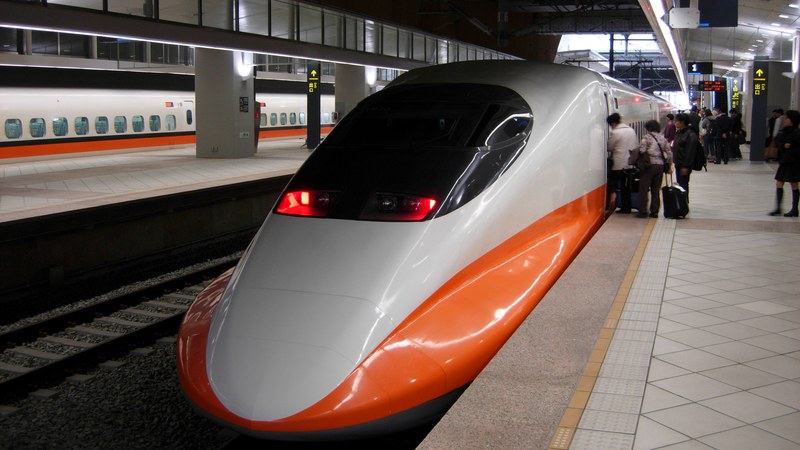
to come from government budgetary support, supplementing the original funding that included assistance from the Japan International Cooperation Agency (JICA). High-speed trains for the project will be manufactured in India, with each train costing approximately Rs 390 crore to Rs 400 crore.
The elevated stations such as Thane will emphasize integrated transit for last-mile connectivity, including shuttle services or ride-sharing hubs at the concourse level. The high-speed rail service will operate under a premium service model distinct from traditional Indian Railways. Specific passenger rights and delay compensation policies are yet to be released.
The Mumbai-Ahmedabad corridor serves as a proof
of concept for future high-speed rail networks across India, including proposed routes connecting Delhi-Varanasi and Mumbai-Nagpur. It marks India’s first high-speed rail project and signals a shift towards precision transit in the country’s rail system.