Catania Airport in Sicily, Italy, is closed with all arrivals and departures suspended until 2am local time on 14 August 2026 due to volcanic ash from ongoing eruptions of Mount Etna. This closure follows a week of widespread cancellations and diversions, reducing the airport’s operational capacity to approximately 10% of flights, according to Flight Radar data.
Impact on Alternative Sicilian Airports
Palermo Airport has absorbed 190 flights initially scheduled for Catania in recent days, as stated by Palermo Mayor Roberto Lagalla. The increase in traffic caused higher demand for buses and taxis, resulting in physical transportation delays and passenger complaints. Meanwhile, Comiso Airport, located south
of Catania, suspended flights on the evening of 11 August 2026 but has since resumed full operations.
Mount Etna’s Volcanic Activity and Aviation Hazard Status
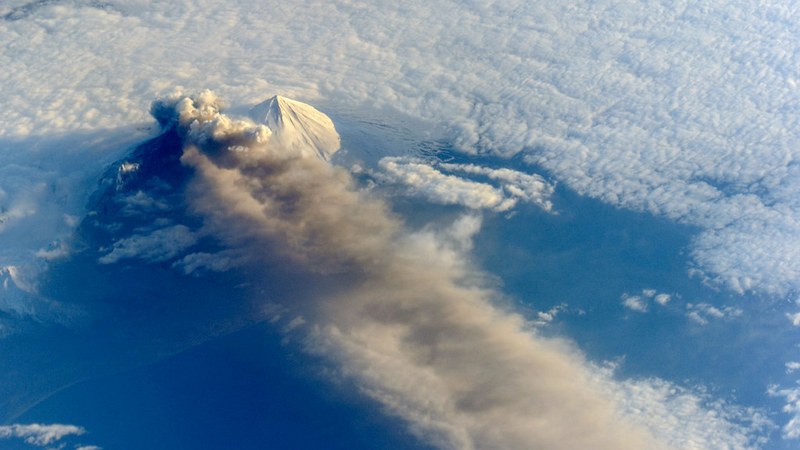
Mount Etna’s eruptive activity began on 6 August 2026 and remains more energetic and sustained than previous eruptions. Marco Viccaro, president of the Italian Volcanological Association, attributed the increased ash production to deeper, gas-rich magma enhancing fragmentation, which has severely disrupted air traffic to and from Catania. The volcano’s Observatory Notice for Aviation (VONA) has maintained a red alert, indicating a high hazard for aircraft caused by ash emissions.
Official Advisories and Flight Cancellations
SAC, the operator of Catania Airport, confirmed flight suspensions until 2am on 14 August
2026. Its website on 12 August 2026 stated that Sector B3 of the airport is closed due to Etna’s activity and wind conditions, suspending arrivals and departures until 6:00 PM that day. It advised passengers to verify their flight status with airlines before traveling. Malta International Airport also reported disruptions on 11 August 2026 linked to Etna’s ash, affecting flights including some to Edinburgh and Paris.
Regional Flight Cancellations and Seasonal Impact
Flights operating from Catania to Amsterdam, Paris, and New York JFK have been cancelled amid the closures caused by ash clouds. The volcanic activity has created disruptions beyond Sicily, affecting air travel in Malta,
located 220 kilometers south of Mount Etna. These disruptions occur during the peak summer tourist season, increasing operational pressure on Sicilian airports and complicating travel logistics across the region.