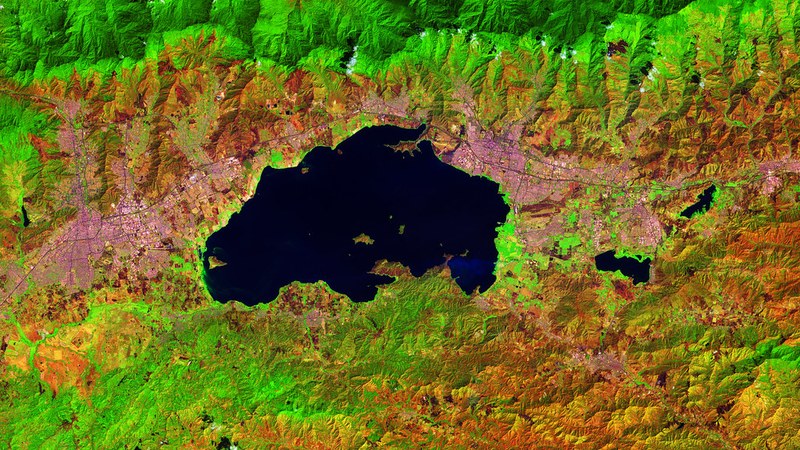
Catania Airport in Sicily has been closed since 13 August 2026 because of volcanic ash emissions from Mount Etna. The airport operator SAC confirmed all incoming and outgoing flights are suspended until at least 2am local time on 14 August. The closure follows continuing eruptive activity at Mount Etna that began on 6 August and has increased ash production that endangers aviation safety.
Flight Cancellations and Regional Disruptions
Flights operating in and out of Catania have been cancelled or delayed, impacting key European routes including Amsterdam, Paris, Edinburgh, and New York JFK. Malta International Airport, situated 220 kilometers south of Mount Etna, issued a statement
on 11 August 2026 confirming ongoing flight disruptions due to the ash cloud. The National Institute of Geophysics and Volcanology (INGV) maintains a VONA red alert status for aviation hazards linked to the eruption, signaling persistent risks for aircraft operations.
Alternative Airports Absorb Diverted Flights
Palermo Airport has taken on 190 flights originally scheduled for Catania, according to Palermo Mayor Roberto Lagalla. He noted that passenger rerouting to Palermo has strained local transportation, causing delays and difficulties in accessing onward travel via buses and taxis. Comiso Airport, located south of Catania, temporarily suspended flights on the evening of 11 August 2026 due to ash fallout
but has since resumed full operations, helping to mitigate some of the air traffic disruption in Sicily.
Volcanic Activity Analysis and Aviation Safety
Marco Viccaro, president of the Italian Volcanological Association, described the current Mount Etna eruption as more energetic and sustained than previous events. He explained, “This suggests that deeper, gas-rich magma is playing a more active role, making the fragmentation process more efficient and leading to increased ash production, which is severely disrupting air traffic to and from Catania airport.” The INGV Etna Observatory confirms continuing effusive activity from eruptive vents and classifies the volcanic ash risk as a high-level aviation hazard.
Traveler Advisories Amid Ongoing Disruptions
SAC urges
passengers to verify flight status with their airlines prior to traveling to Catania Airport. The airport operator’s official statement advised, “Passengers are kindly advised to check the status of their flight with their airline before heading to the airport. Further updates will follow in the coming hours.” Malta International Airport similarly recommends passengers check flight conditions before arriving, in light of ongoing interruptions on 11 August.
The disruption occurs during Sicily’s peak summer tourist season, intensifying pressure on alternative airports. Additionally, SAC initiated the sale of a stake comprising at least 51% in Catania Airport in May 2026, amid the
broader challenges posed by Mount Etna’s activity.