Understanding the 2026 Middle East Tourism and Aviation Crisis
The ongoing geopolitical tensions across key regions in the Middle East in 2026 are contributing to widespread disruptions within aviation and tourism sectors. These challenges, centered around instability near the vital Strait of Hormuz, have triggered numerous flight cancellations and reroutes that ripple across global air travel networks, notably affecting U.S. carriers and their passengers.
These developments are not isolated incidents but part of a complex set of factors impacting the ability of airlines to maintain scheduled services due to escalating security concerns and operational constraints.
Significance of the Strait of Hormuz in Regional Aviation
The Strait of Hormuz remains a critical chokepoint for both commercial and cargo aviation
routes, as well as global energy shipments. Its proximity to areas experiencing heightened conflict raises challenges for airspace safety, route planning, and overall flight stability.
The increased tension around this maritime passage prompts airlines to reconsider flight paths and adjust schedules to avoid potential risk zones, contributing to widespread cancellations and operational delays.
Flight Cancellations and Disruptions Affecting the Middle East
Signal disruptions and cancellations have been reported across many airports in the Middle East region in 2026. The scale of cancellations extends to thousands of flights, representing a significant concern for tourism and business travel.
These disruptions are due to a combination of heightened security measures, restricted
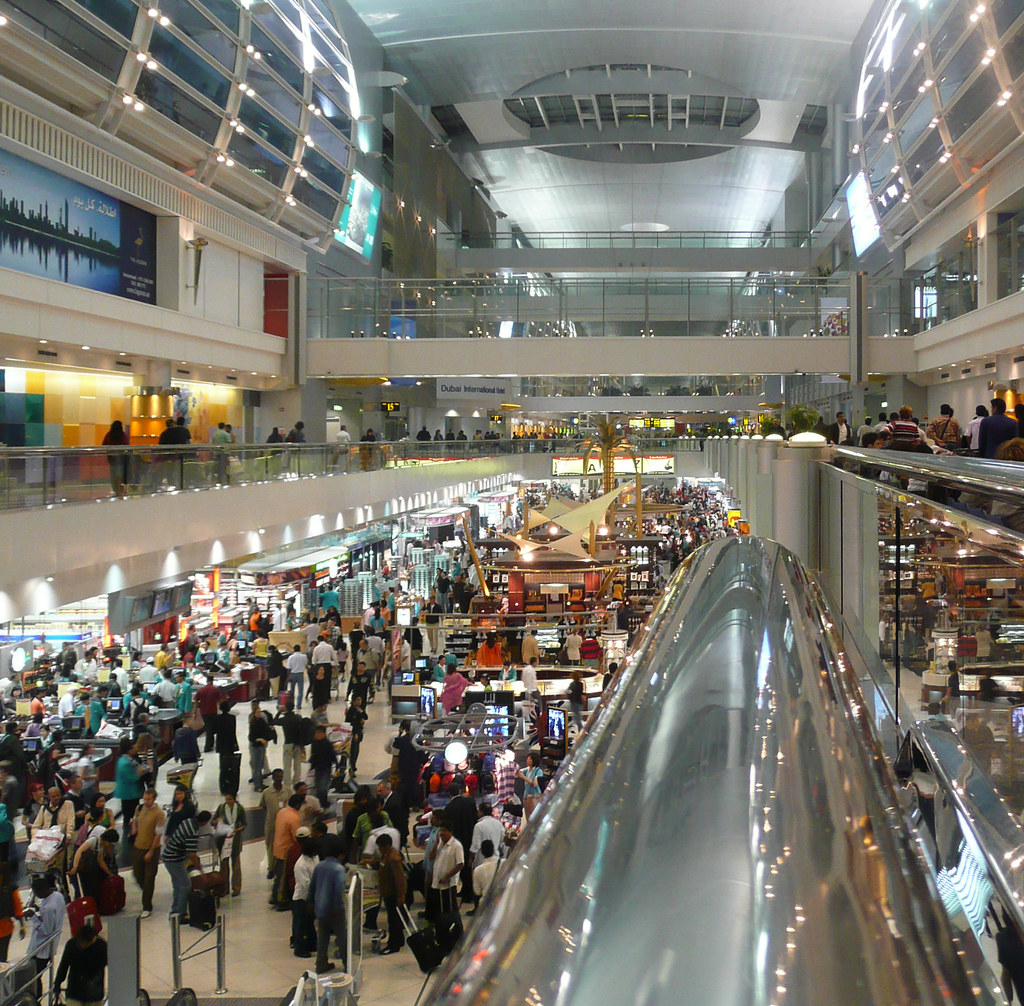
air corridors, and infrastructure challenges directly stemming from the regional instability. Airports in major Middle Eastern hubs are experiencing congestion caused by rerouted flights and delayed departures, amplifying traveler inconvenience.
Impact on U.S. Airlines and Travelers
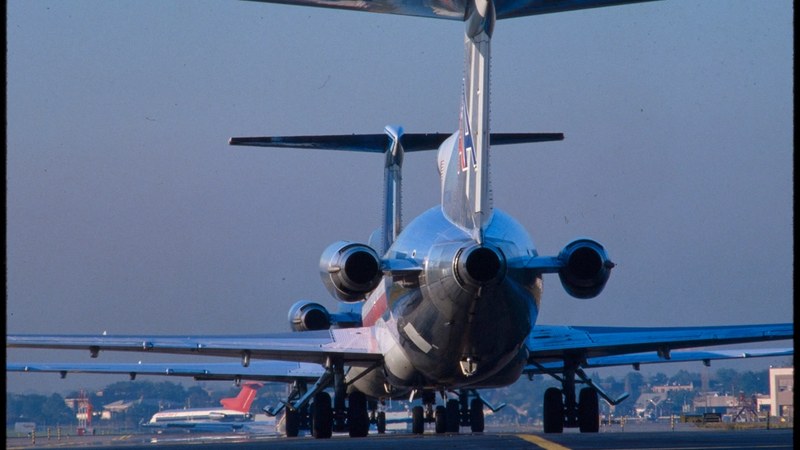
Major U.S. airlines, including but not limited to American Airlines, face operational challenges as they navigate the affected regions. Flight schedules connecting the U.S. with Middle Eastern destinations have been repeatedly adjusted amid growing uncertainty.
Passengers traveling to or through Middle Eastern airports should prepare for unexpected delays and potential last-minute cancellations. Advisories from U.S. travel authorities currently recommend heightened awareness and flexible itinerary planning when considering travel to this
area.
Changes in Airline Operations
U.S. carriers have implemented rerouting strategies to mitigate exposure to unstable areas while ensuring passenger safety. These adjustments, while necessary, have contributed to increased costs and complexities in managing transcontinental routes.
Broader Tourism and Trade Context
The Middle East’s tourism sector, a significant contributor to regional economies, faces challenges beyond just aviation. Tourist arrivals have been affected by the uncertainty surrounding the ongoing geopolitical tension. This scenario presents implications for hospitality, transport, and ancillary services dependent on steady visitor flows.
Simultaneously, global attention focuses on securing the Strait of Hormuz to facilitate uninterrupted trade and travel. Efforts to stabilize this maritime corridor are crucial
to sustaining economic activities and restoring confidence in travel to and from the Middle East.
Advisory for U.S. Travelers and Industry Stakeholders
Given the evolving situation, U.S. travelers planning journeys that involve the Middle East or connected regions should remain vigilant. Monitoring official updates from airlines and government travel advisories is essential.
Travel agents and industry professionals are encouraged to provide clients with contingency options and anticipate potential disruptions. Flexibility in booking and refund options may be advantageous as the situation develops.