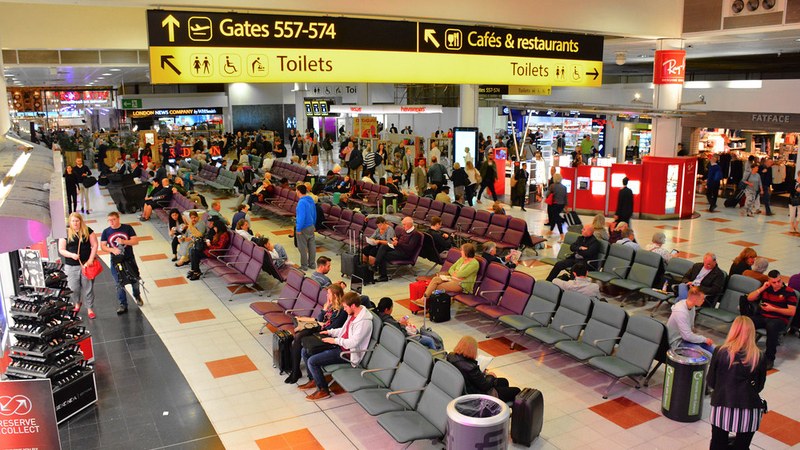
Over 21,000 flights have been canceled around the world in 2026 amid ongoing conflict in the Middle East. This extensive number of cancellations has contributed to a broad crisis within global aviation, resulting in considerable operational disruptions and challenges for air transportation networks.
Travel trends have notably shifted as many travelers are steering away from destinations in the Middle East, such as the UAE, Qatar, Israel, Jordan, Egypt, and Lebanon. Instead, European countries including Croatia, Spain, France, Italy, Greece, and Portugal have seen growing demand as alternatives during this period of regional instability.
Impact on Aviation and Travel Plans
The continued escalation of hostilities has led
to disruptions in airspace availability and heightened security concerns, affecting flights to and from the affected Middle Eastern countries. As a result, airlines face operational difficulties, leading to widespread delays and cancellations that ripple through global flight schedules.
Travelers affected by these cancellations are advised to remain flexible with their plans and stay informed of evolving airline policies and schedule changes. Awareness and adaptability are crucial as the situation impacts various regions and complicates travel logistics.