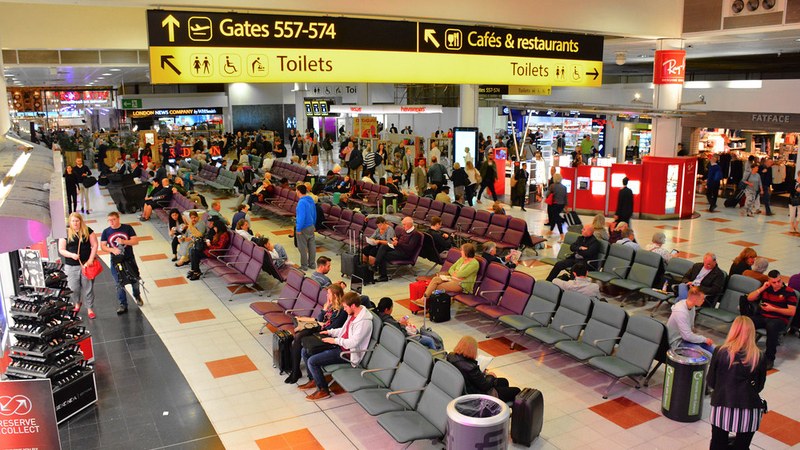
In 2026, significant disturbances in Middle Eastern airspace have resulted in widespread interruptions to flight operations across the region. Countries such as Turkey, Cyprus, Armenia, Egypt, Maldives, Thailand, and Indonesia have been notably affected, with numerous flights facing cancellations or diversions due to restricted air routes.
These disruptions have led to considerable consequences for travelers navigating this airspace. Passengers should anticipate delays and possible rerouting as airlines adjust operations to bypass conflict zones, altering scheduled routes and connecting flights to maintain service while ensuring safety.
Beyond immediate flight interruptions, the ongoing airspace issues have contributed to marked shifts in tourism
patterns. The complexities of accessing destinations in and around the Middle East have caused global traveler routes to be redirected, influencing tourism flows in impacted countries. Such changes underscore the ripple effects airspace conflicts can have on international travel and regional tourism dynamics.