Memorial Day Travel Surge Meets Widespread Airport Disruptions
As Memorial Day weekend unfolds, travelers across the United States have experienced notable disruptions at key airport hubs, particularly in Atlanta, New York JFK, and Chicago O’Hare. This peak travel period traditionally sees increased passenger volumes, but this year’s Memorial Day surge has been compounded by a combination of weather challenges and operational limits imposed by the Federal Aviation Administration (FAA). These factors have contributed to a significant number of flight cancellations and delays, causing widespread disruption to holiday travel plans.
Significant Flight Cancellations and Delays at Major US Airports
Across several major U.S. airports, including Atlanta’s Hartsfield-Jackson, New York’s JFK, Chicago O’Hare, Los Angeles, Denver, and San Francisco,
there have been numerous flight cancellations and delayed departures. Notably, approximately 80 flights were canceled, and over 441 delays were reported at these airports collectively during the Memorial Day weekend period. Atlanta, traditionally among the busiest airports in the nation, and major northeastern and midwestern hubs such as JFK and O’Hare, have been focal points of these disruptions.
Operational Challenges Driving Disruptions
The convergence of factors leading to these difficulties primarily centers on severe weather conditions across multiple regions and FAA operational capacity constraints. Adverse weather systems have caused temporary ground stops and slowdowns in flight operations, impacting scheduling and causing cascading delays. The
FAA has also implemented capacity restrictions to maintain safety amid the heavy volume of flights, further limiting the ability to recover from delays quickly.
Impact on Travelers’ Memorial Day Plans
For U.S. travelers, these cancellations and delays have significant consequences, ranging from missed connections to extended time at airports. Many passengers have faced itinerary changes with limited options, potentially increasing travel costs and emotional stress. The volume of stranded passengers and rescheduled flights has underscored the challenges of traveling during this holiday, with some experiencing additional expenses related to accommodations or alternative transport arrangements.
Passenger Preparedness and Airport Conditions
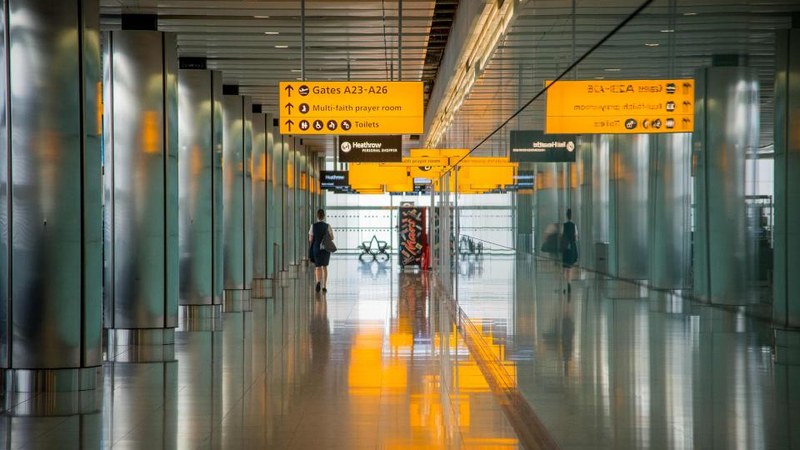
Major airports affected by these disruptions have seen increased crowding and congestion
within terminals, as travelers adjust to changing flight statuses. While airlines and airport staff have worked to assist impacted passengers, the combination of higher traveler density and operational challenges has strained resources. Travelers are advised to monitor flight updates closely and allow extra time for airport procedures during this peak travel window.
Contextualizing Memorial Day Travel in the U.S.
Memorial Day stands as one of the highest passenger traffic periods in the U.S. air travel calendar, reflecting widespread domestic and international travel for holiday observance. The infrastructure and airline networks often face heightened pressure during this weekend, which can magnify the impact of delays and unexpected operational
hurdles. These disruptions, while inconvenient, underscore the complex interplay of factors that influence the aviation sector during peak travel times.
Looking Ahead for Travelers
Although precise forecasts for future cancellation volumes remain uncertain, travelers planning to fly during major U.S. holidays are advised to prepare for potential delays by checking flight status regularly and considering travel insurance options. Staying informed about weather developments and airport advisories can help passengers make more resilient travel arrangements during busy periods.