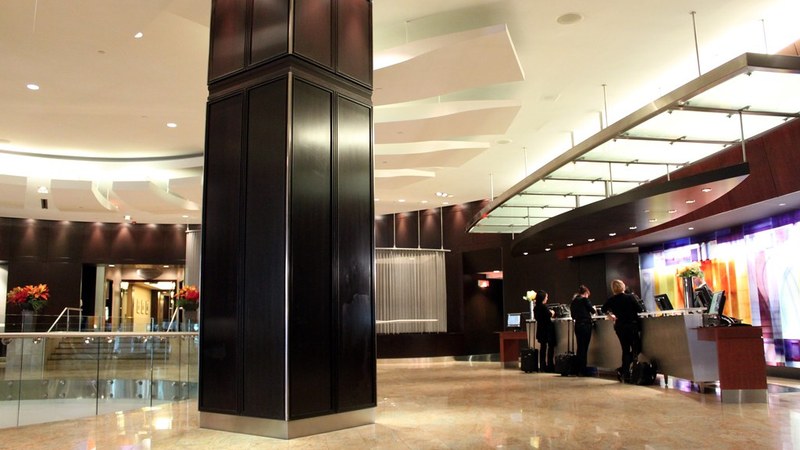
Shares of Melia Hotels International, Spain’s leading hotel group, traded steadily as the company posted a return to positive net profit and generated several billion euros in revenue in its latest fiscal year, according to ad-hoc-news.de. The steady stock performance reflects the ongoing recovery of international travel following the pandemic impact.
Revenue Growth and Regional Demand
Melia Hotels’ revenue growth in the recent fiscal year was driven primarily by stronger leisure travel and a gradual rebound in corporate travel segments. Spanish and broader European resort destinations, including the Balearic and Canary Islands, experienced robust demand. In contrast, Latin American properties in Mexico, the Caribbean, and
the Dominican Republic showed a more gradual recovery pace. Operating profit improvements were supported by disciplined pricing and cost control measures.
Strategic Shift to Vacation Properties and Asset-Light Model
The group reported a shift in portfolio mix toward vacation and resort properties with higher margins, contributing to an improved average daily rate and revenue per available room. Although some urban hotels have yet to restore pre-pandemic occupancy levels fully, Melia Hotels is focusing on expanding its footprint through asset-light management contracts and brand-driven franchises to reduce capital intensity.
Improved Financial Leverage and Financing Structure
Melia’s net debt profile improved due to stronger operating cash flow and prudent capital investments. Its financing relies on a
combination of bank facilities, capital market instruments, and lease obligations. Year-on-year reductions in leverage ratios have eased refinancing pressures, providing the company greater flexibility for selective growth initiatives and property renovations.
Cash Flow Strength, Capital Expenditures, and Digital Investments
The latest financial report showed a significant increase in operating cash flow compared to the prior year, reflecting better profitability and optimized working capital alignment. Capital expenditure was directed mainly toward maintaining and upgrading key resort assets. Investments in digital initiatives aimed at boosting direct bookings through the company’s website and mobile applications were also prioritized.
Brand Portfolio and Market Segmentation
Melia Hotels International operates distinct brands including Melia, Gran Melia, ME by Melia,
and Paradisus across multiple price points and customer segments. Branded resort properties accounted for a significant share of revenue and contributed to margin improvements due to enhanced occupancy rates and pricing power. Urban hotels remain strategically important, with ongoing investments in refurbishments and digital services supporting guest experience.
Regional Performance and Growth Prospects
The group segments operations by regions such as Spain, EMEA, Americas, and others. Spanish resort properties recorded strong year-on-year growth driven by domestic and international visitors. Urban hotels in Spanish cities and European capitals registered a slower return to pre-pandemic occupancies early in the fiscal year. The Americas, including Mexico and Caribbean
destinations, registered notable occupancy and average daily rate recoveries. Asia and the Middle East remain smaller but identified as long-term growth markets.
Seasonality and Occupancy Management
Seasonality continues to affect Melia Hotels’ results, with peak earnings concentrated in holiday seasons. The company has pursued strategies to balance this by encouraging off-peak travel and leveraging conference and event demand in urban properties, resulting in improved non-peak occupancy compared to the previous year. This helps optimize fixed costs and supports operating margin recovery.
Cost Structure, Inflation Impact, and Efficiency Measures
Melia’s operating costs include fixed property expenses, variable operating costs, and staff compensation. Inflationary pressures on wages and energy costs remain challenges. Nevertheless,
the group improved its operating margin year on year by growing revenue, selective price increases, and operational efficiencies in procurement and hotel management. Initiatives reducing energy consumption and optimizing staffing have lowered cost ratios without compromising service quality.
Balance Sheet, Liquidity, and Debt Management
The balance sheet features substantial property, plant and equipment assets alongside rights-of-use lease assets. Liquidity is solid, with sufficient cash and undrawn credit facilities covering short-term liabilities and investments. The company maintains a staggered debt maturity profile to reduce refinancing risk and actively manages bank loans and bond instruments to optimize interest expenses. The net debt-to-EBITDA ratio improved year on year, reflecting
enhanced earnings and debt reduction efforts.
Dividend Policy and Shareholder Returns
Melia Hotels maintains a cautious stance on resuming regular dividends following adjustments during the pandemic. Future shareholder returns will depend on consistent revenue growth, margin stability, and controlled leverage. Capital gains driven by continued earnings normalization remain a key consideration for investors.
Sustainability and ESG Initiatives
The company prioritizes sustainability through carbon emission reduction, improved energy efficiency, water resource management, and waste minimization in hotel operations. Social programs include staff training, diversity efforts, and community engagement. These ESG initiatives affect operational costs but are viewed as investments supporting long-term resilience and regulatory compliance.
Digital Transformation and Distribution Channels
Melia Hotels has accelerated the
transformation of its distribution channels by growing direct bookings via its website and mobile apps. Increased direct sales reduce dependence on third-party intermediaries and improve profitability. The group invests in technology such as revenue management and personalized marketing systems to optimize pricing and enhance the guest experience, complementing physical asset upgrades.