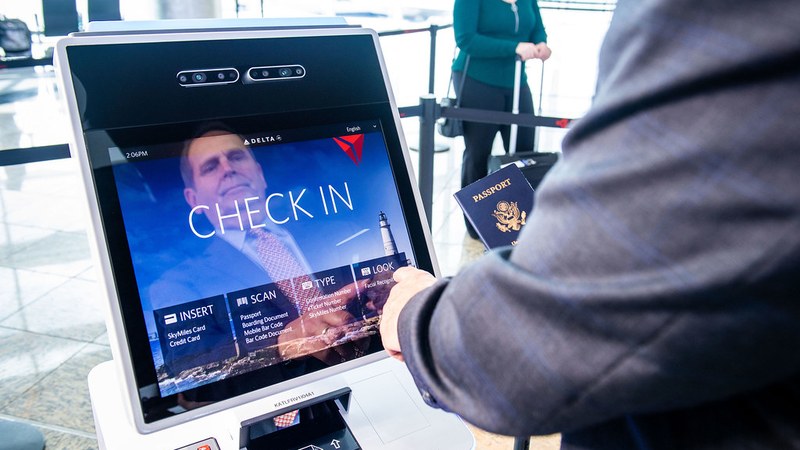
Widespread Disruptions at Key U.S. Hubs Affecting Thousands of Flights
A significant number of flight delays and cancellations have recently impacted major airports across the United States. Reports indicate that thousands of flights have been delayed alongside hundreds of cancellations, affecting multiple airport hubs. Among these, facilities in Chicago, Atlanta, and Las Vegas have been notably disrupted, creating ripple effects across the national air travel network.
The volume of flight irregularities has placed considerable pressure on passengers and operators alike, with airlines striving to manage scheduling difficulties amid fluctuating operational conditions. Both Delta and United Airlines, key carriers with heavy traffic at these airports, have experienced notable delays that contribute
substantially to the overall disruptions experienced by travelers.
Chicago Airport Disruptions and Their Broader Impact
Chicago’s O’Hare International Airport, one of the nation’s busiest, has been central to the travel interruptions reported. The airport has witnessed a high volume of flight delays affecting passenger itineraries significantly. This has underscored challenges for the airport’s ground operations and scheduling, often exacerbating passenger wait times and gate crowding.
The disruptions at Chicago not only affect local travelers but also have broader implications due to the airport’s role as a connecting hub. Delays here can cascade across numerous connecting flights, impacting nationwide travel patterns. Travelers using Chicago for domestic or international
connections must therefore be prepared for potential irregularities when planning their journeys.
Delta and United Airlines Among Those Navigating Delays
Both Delta Air Lines and United Airlines operate substantial flight schedules through the affected airports, including Chicago O’Hare and Atlanta Hartsfield-Jackson. The delays encountered by these carriers have further contributed to the growing number of disrupted flights.
Efforts to manage disruptions have involved adjusting schedules and deploying additional resources where possible. However, passengers flying with these airlines are advised to monitor their flight status closely, as delays may continue to affect travel plans unpredictably during this period.
Impact on American Travelers and Recommended Preparedness
The ongoing flight delays and cancellations present challenges for American travelers,
particularly those with tight transfer windows or time-sensitive plans. Flexibility remains crucial, as schedules may shift with limited notice. Airlines and airports are urging passengers to arrive early, stay informed via official channels, and prepare for longer wait times at security and boarding areas.
These disruptions highlight the importance of contingency planning for those traveling through major U.S. airports. While the causes behind the high volume of delays are varied, the key takeaway for travelers is the need for patience and adaptability. Staying connected with airline updates and airport advisories can help mitigate the inconvenience caused by the current travel
environment.
As the situation develops, passengers are encouraged to keep abreast of status updates and consider alternate itineraries if possible. Maintaining realistic expectations and an awareness of airport conditions will be essential for navigating this challenging travel season successfully.