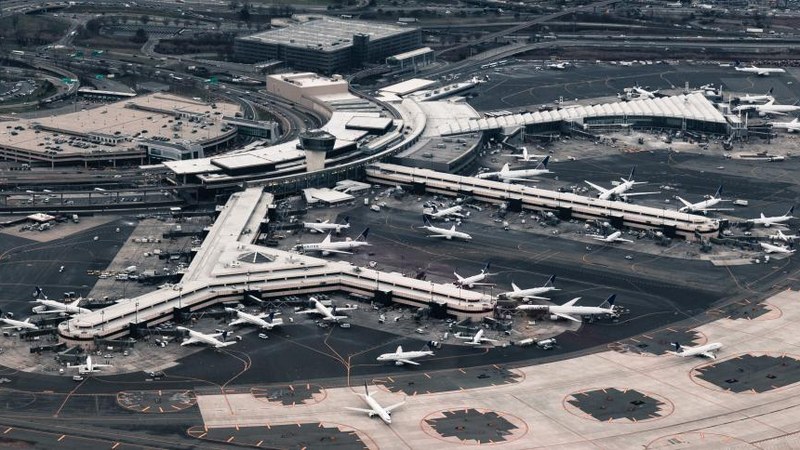
An American Airlines Boeing 737-800 operating Flight 392 to Chicago O’Hare International Airport aborted its takeoff at LaGuardia Airport on September 4, 2026, at 8:20 a.m. The aircraft reached a speed of nearly 140 mph before safely stopping on the runway and returning to the gate. No injuries were reported among passengers or crew.
FAA Response and Flight Disruptions
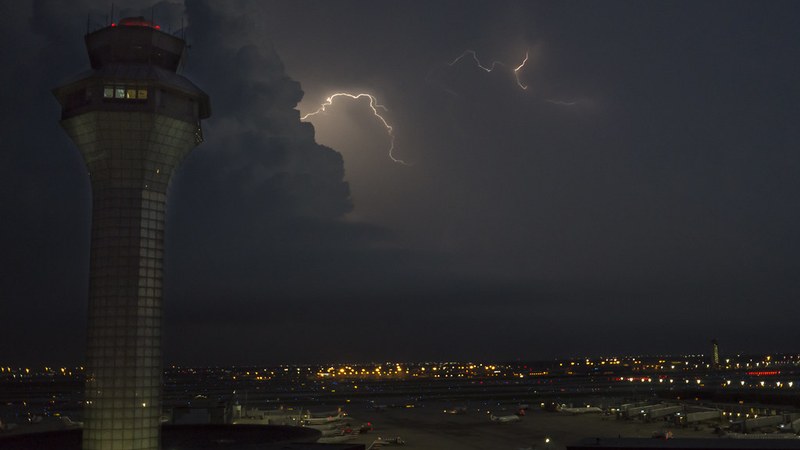
The Federal Aviation Administration issued a ground stop at LaGuardia beginning at 8:18 a.m., lasting until 9:30 a.m. following the bird strike. Afterward, a ground delay program was implemented, resulting in average delays of 19 minutes for departing flights until 11:34 a.m. Severe weather, including morning
thunderstorms in the New York metropolitan region, compounded disruptions at the airport that day.
Safety Protocols for High-Speed Takeoff Aborts
Aborting a takeoff near 140 mph—equivalent to high speeds above the decision speed V1—is a high-risk maneuver. According to aviation safety guidance from OpsGroup, such decisions are reserved for significant hazards like engine fires or critical system failures due to risks of runway overruns, brake overheating, and tire damage. Despite these risks, the crew prioritized safety by rejecting the takeoff to prevent further hazard and successfully stopped the aircraft without incident.
LaGuardia’s History of Bird Strike Incidents
LaGuardia Airport has faced notable bird strike events, including the 2009 “Miracle on the Hudson,”
when US Airways Flight 1549 suffered a Canada goose strike shortly after departure and safely ditched on the Hudson River with all 155 aboard surviving. Also relevant is a December 2024 incident involving an American Airlines flight that experienced a bird strike after takeoff from LaGuardia and diverted to John F. Kennedy International Airport with 190 passengers on board, with no injuries reported.
Wildlife Hazard Management and National Statistics
The Port Authority of New York and New Jersey oversees LaGuardia and its wildlife hazard management program, which includes habitat modification, pyrotechnics, falconry, and population control conducted with USDA Wildlife Services and certified biologists. Nationally, wildlife strikes
at U.S. airports totaled over 19,000 in 2023, resulting in approximately $385 million in damage and operational downtime. Although most strikes do not cause physical damage or delays, airports continually adapt safety measures to mitigate risks, especially as rising bird populations near runways increase strike potential.
Traveler Impact and Official Investigation
The bird strike incident triggered a ground stop affecting departures from 8:18 a.m. and extending delays through the morning at LaGuardia. The FAA confirmed the takeoff abort and announced an investigation into the incident. According to FAA statements, severe weather was the primary cause of widespread delays on the morning of September 4, with
the bird strike contributing additional operational challenges.