Jinmao Group officially resumed independent operation of its hotel business on August 4, 2026, ending its cooperative relationship with Hyatt Group at the Hyatt Regency Chongming Shanghai Jinmao. The hotel, which opened in 2014 on Chongming Island, Shanghai, was rebranded as Shanghai Chongming Jinmao Yiyin Hotel and is now independently managed by Jinmao.
Jinmao’s Early Cooperation with International Brands
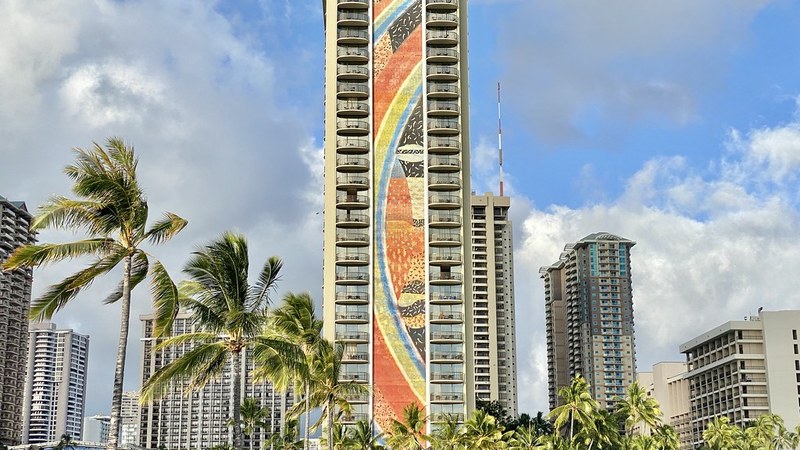
Jinmao’s hotel business development spans over 20 years, initially entering the high-end market through partnerships with international brands. A notable milestone was the opening of the Grand Hyatt Hotel in Jinmao Tower, Lujiazui, Shanghai, in 2007, which helped establish Jinmao’s presence in the upscale hotel sector. The
cooperation with Hyatt provided Jinmao with brand influence, sales channels, and operational expertise that facilitated market entry and stable customer acquisition.
Transition to Proprietary Hotel Brands
Since 2021, Jinmao has been transitioning from a hotel asset owner reliant on international brands to a hotel brand operator with self-owned brands. At a brand conference held in Sanya that year, Jinmao launched five proprietary hotel brands covering various market segments. Key brands include Jinmao Joy, targeting urban business and mixed-use complexes; Jinmao Yiyin, emphasizing natural resource-based resort environments; and Jinmao Pure, focusing on high-end boutique travel experiences. The Shanghai Chongming Jinmao Yiyin Hotel and Taicang Jinmao Yiyin
Rose Manor serve as core projects for the Jinmao Yiyin resort brand, while Lijiang Jinmao Pure Snow Mountain Hotel exemplifies the Jinmao Pure immersive resort model around local landscapes.
Operational and Market Drivers for Independent Management
Jinmao’s shift to independent hotel operation is driven by accumulated operational experience and changes in market conditions. After more than two decades cooperating with international hotel groups, Jinmao developed internal capabilities including operation standards and customer service. The high-end hotel market’s oversupply in China has diminished the “halo effect” international brands traditionally provided. Moreover, annual fixed brand management fees have become a rigid cost rather than a value-added service, making independent
management more cost-efficient for Jinmao. According to the source, “that international brands bring with their own traffic is weakening. In addition, the annual fixed brand management fee is changing from a” rigid cost.
Brand Performance and Management Platforms
Jinmao’s self-owned brand hotels are already showing positive operating results. For example, the Ningbo Jinmao Joy hotel maintains an average room rate of roughly 700 yuan and an occupancy rate exceeding 60%. To support brand operations, Jinmao has developed a hotel commercial management platform responsible for brand standards, operational systems, and membership management. Their independent product design integrates local natural and cultural resources rather than copying international
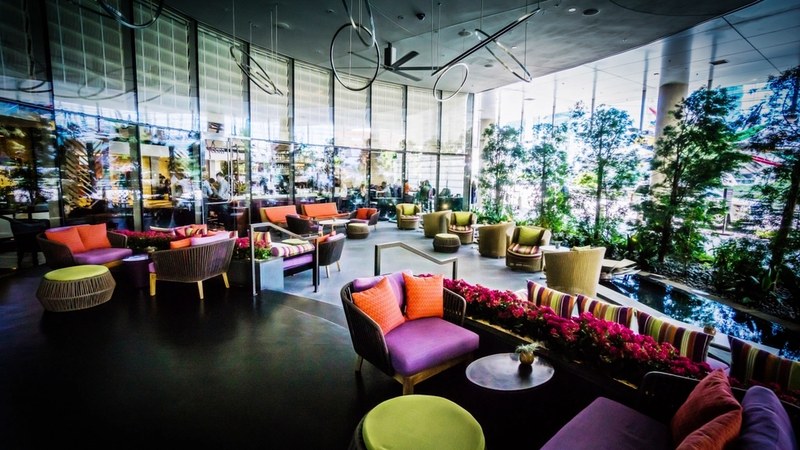
hotel models, aligning more closely with domestic customer preferences. The Shanghai Chongming Jinmao Yiyin Hotel retained its established facilities while shifting brand focus and operation strategy to leverage Chongming Island’s ecological assets for resort guests.