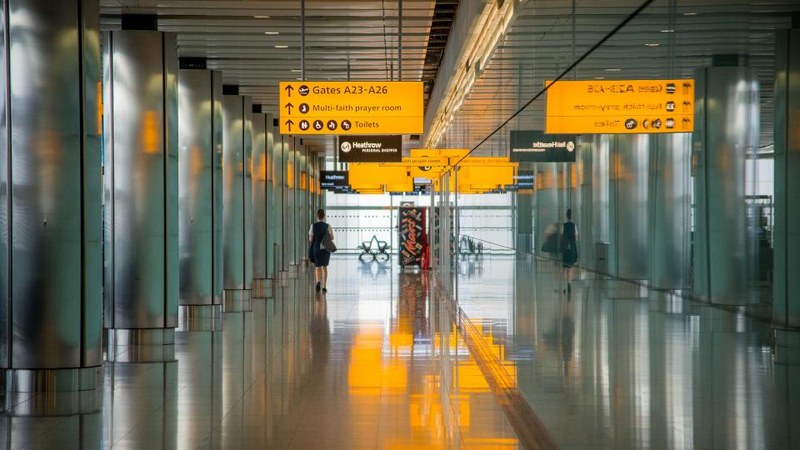
On August 25, 2026, more than 775 flights were delayed and 52 canceled across airports in the United States, with JetBlue registering the highest disruption among carriers. JetBlue reported 48 delays and 9 cancellations, leading all airlines nationally. Boston Logan International Airport recorded the largest number of delays with 19, while Nantucket Memorial Airport reported the most cancellations at 11.
Flight operations were heavily affected by severe weather and air traffic control constraints. The Federal Aviation Administration (FAA) flagged thunderstorms impacting the Southeast, including Florida cities such as Miami, Orlando, Tampa, and Fort Lauderdale. Low cloud ceilings disrupted operations on
the West Coast in San Francisco and San Diego. Ground delay programs and ground stops were implemented in these regions, alongside Denver. Thunderstorms caused delays or cancellations in Dallas-Fort Worth and other Southeastern airports.
>FAA Staffing Shortages and Regional Absenteeism Impact Operations
The FAA’s air traffic control system continues to face substantial staffing challenges. The agency operates with approximately 10,800 fully certified controllers, nearly 3,000 fewer than its target of 13,800. New controllers require three to five years of facility training before certification, limiting quick workforce expansion. In August 2026, Transportation Secretary Sean Duffy reported 40% to 60% absenteeism rates among controllers in the New York region, compounding
delays in one of the nation’s busiest airspaces. To address shortages, the FAA recruited over 2,000 new trainees through an April campaign targeting video gamers, which met 94% of annual hiring goals.
>JetBlue’s Internal Scheduling Failures Amplify Flight Disruptions
JetBlue’s disproportionate share of delays and cancellations is linked to internal crew scheduling failures. In July, the Air Line Pilots Association revealed how JetBlue’s crew scheduling desk malfunctions led to pilots being stranded without timely communication, forcing the airline to cancel nearly 1,000 flights and reduce JFK Airport operations by half during a weekend. These systemic issues heightened JetBlue’s sensitivity to weather and staffing disruptions on August 25,
2026.
>Federal Hub Flight Caps Exacerbate Cancellations
Flight cancellations are further influenced by strict federal capacity limits at major hubs. Newark Liberty International Airport enforces a maximum of 72 scheduled operations per hour through the summer 2026 scheduling season, restricting throughput to mitigate congestion. Similarly, Chicago O’Hare International Airport maintains a daily cap of 2,708 flights from May 17 to October 24, 2026, which is roughly 15% below airline scheduled capacity. These caps reduce operational flexibility, causing airlines to cancel flights rather than delay them during weather-induced compressed arrival windows.
>Passenger Rights and Recommended Actions Amid Delays
Passengers experiencing domestic flight delays of three hours or more or cancellations are entitled to automatic
cash refunds processed within seven business days, as stipulated by Department of Transportation regulations. Additionally, checked baggage fee refunds must be issued automatically if bags are delayed more than 12 hours domestically or 15 to 30 hours internationally. Travelers affected by the August 25 disruptions are advised to monitor flight status via airline apps, carry essential items in their carry-on luggage, and rebook canceled flights promptly.