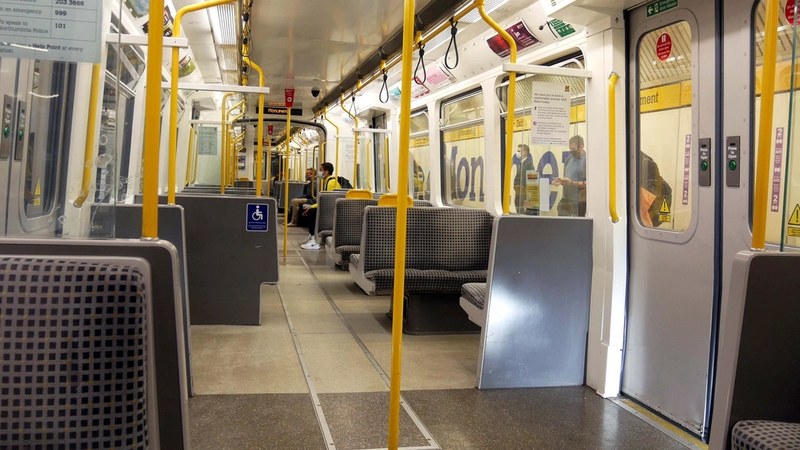
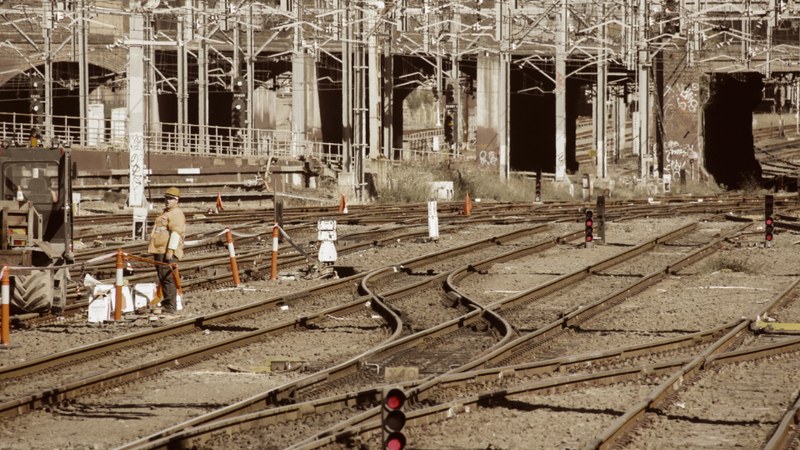
Italy’s Widespread National Train Strike Set to Disrupt Rail and Metro Services
Italy is gearing up for significant disruptions in its railway and metro systems amid a national transport strike slated for mid-May 2026. This industrial action includes major cities such as Rome, Milan, Naples, Florence, and Turin, impacting a broad spectrum of regional and long-distance train connections. The strike is expected to severely disrupt scheduled rail services, with metro lines in key urban centers also facing shutdowns.
Passengers traveling in Italy during this period, particularly tourists from the United States, should be aware that these interruptions may complicate transit plans and require alternative arrangements.
Rail Disruptions Impacting Rome and Other Major Italian Hubs
The strike will affect rail operations in
some of Italy’s busiest transport nodes, including Rome’s primary train stations. Travelers may experience inconsistent train availability, with many services either canceled or subject to delays. Metros in major cities will likely halt operations during the strike period, adding pressure on road transport and other local transit services.
Rome, as a central travel hub, is notably impacted alongside other cities such as Milan and Naples, where train service interruptions are expected to ripple through interconnected rail routes throughout the country.
Significant Airport Transfer Delays Including Fiumicino
Travelers flying into or out of Italy’s busiest international gateway, Leonardo da Vinci-Fiumicino Airport, should anticipate disruptions related to the
strike. Rail connections servicing Fiumicino, which are crucial for swift transfers into Rome and beyond, are expected to be severely impacted by train cancellations and delays. This adds a layer of complexity for visitors relying on rail connections for airport transfers.
Delays and interruptions in airport transfer services may result in extended travel times and the need for alternative transport means such as taxis, buses, or private transfers.
Tourism and Travel Industry Consequences
The national strike is poised to challenge the Italian tourism sector, which sees a significant influx of international visitors during this period. Reduced train availability, metro shutdowns, and constrained airport transport could
discourage some tourists, disrupt itineraries, and affect hotel occupancy patterns in major cities.
Travel agencies and tour operators may need to adjust their offerings or provide contingency plans for clients affected by the strike. The strike’s ripple effects could impact bookings, excursions, and intercity travel arrangements, further emphasizing the importance of early communication and flexible travel planning for inbound tourism.
European Travel Impact and Broader Transport Strain
Given Italy’s integrated position in European rail networks, the nationwide transport strike could have knock-on effects beyond Italy’s borders. International travelers connecting through Italian rail routes or airports might face compounded delays, especially those reliant on high-speed train services.
This
period may see increased congestion in alternative transportation sectors such as buses and air travel. Tourists transiting through Italy to other European destinations should monitor transport updates closely and explore multi-modal travel options to minimize disruption.
Planning Ahead for U.S. Tourists Visiting Italy
American tourists planning to visit or transit through Italy in May 2026 should proactively consider the potential impacts of the planned national train strike. It is advisable to:
Review travel itineraries and confirm rail service status close to the travel date. Arrange alternative transportation—such as private transfers or coach services—for key routes, particularly for airport transfers to and from Fiumicino. Allow extra time for
transfers and connections, especially when coordinating flights with train travel. Stay informed through official Italian railway and transport authorities for updates on strike developments.
Adhering to these recommendations can help mitigate the inconvenience and minimize interruptions to travel plans during the nationwide strike period.
While the duration and resolution timeline of the strike remain undetermined, travelers should prepare for possible disruptions over the two-day strike window in May 2026, with heightened attention to rail services in major urban and transport hubs.
The strike underscores the persistent challenges facing Italy’s transport system and highlights the need for flexibility among the traveling
public, especially international visitors relying on seamless rail and airport connections.