The Indonesian Ministry of Finance will acquire a 60% stake in PT Kereta Cepat Indonesia-China (KCIC), operator of the Whoosh passenger service on the 142 km Jakarta – Bandung high-speed rail line. Finance Minister Purbaya Yudhi Sadewa announced the stake acquisition plan includes transferring the shares to state investment agency Danantara by mid-September 2026. The Beijing Yawan HSR consortium will retain its 40% shareholding.
KCIC Ownership and Rail Line Specifications
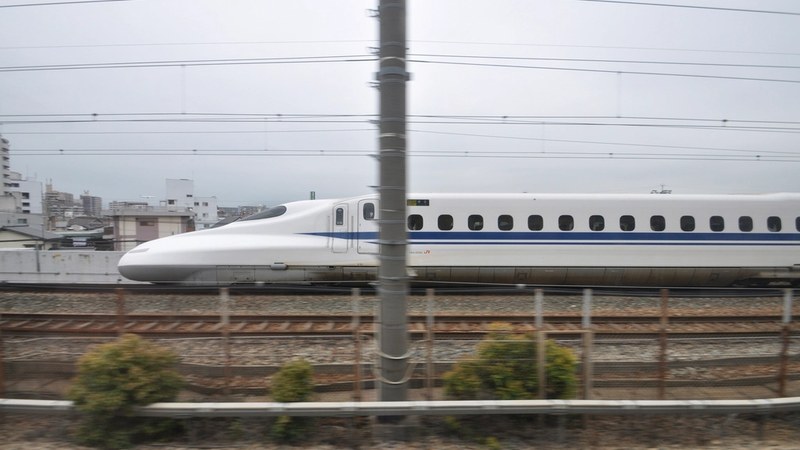
KCIC currently functions as a 60:40 joint venture between Indonesian state-owned enterprises and the Beijing Yawan HSR consortium of Chinese companies. The company holds a 50-year design-build-operate concession for the rail line, which conforms to Chinese
standards allowing trains to reach speeds of up to 350 km/h. The Whoosh service brand, introduced in 2023, operates on the 1,435 mm gauge Jakarta – Bandung corridor.
Financial Structuring and Operating Model
After the acquisition, Whoosh services will be managed through a special purpose vehicle under the Ministry of Finance. This structure is designed so that the vehicle’s finances, including operating costs and debt repayments, are funded exclusively through generated revenues or dividends, keeping these liabilities off the state budget. This financial model supports sustainable operation without drawing on direct government budget allocations.
Indonesia-China Cooperation and Expansion Plans
The government intends the ownership restructuring to maintain current cooperation with
China on the high-speed rail project. The Ministry for Infrastructure & Regional Development is evaluating possible expansions of the network eastwards to Surabaya and potentially Banyuwangi in eastern Java. The Transport Ministry views the financial restructuring as a benchmark to guide decisions on extending the route.
KCIC Operational Focus and Ridership Growth
KCIC has stated it will concentrate on optimizing operations, enhancing performance, and increasing passenger volumes. The company aims to improve service quality with customer-friendly innovations and stronger intermodal connectivity, alongside developing additional revenue streams from non-core activities. By the end of July 2026, Whoosh had transported over 16.9 million passengers, reflecting increasing public confidence
in Southeast Asia’s first high-speed rail service.