Health Authorities Enhance Cruise Ship Inspections at Rotterdam Port Amid Hantavirus Alert
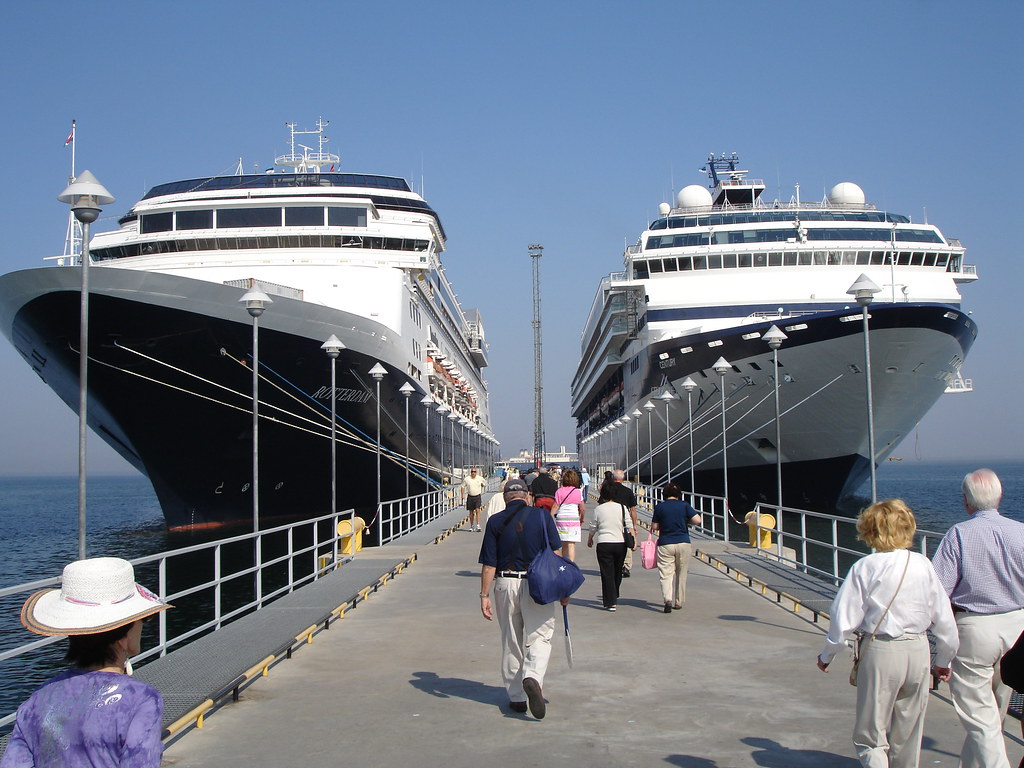
Health officials in Rotterdam have intensified inspection and disinfection protocols at the port following reports linking a cruise ship docked there to potential hantavirus exposure. The port, a major hub for international cruise traffic, has implemented enhanced measures to mitigate any risk of viral transmission and safeguard public health across maritime travel corridors.
The affected vessel is currently docked for thorough cleaning and health inspections as authorities carry out expanded screening procedures. This move aligns with coordinated efforts by international health organizations to contain and monitor emerging infectious disease risks in cruise environments.
Implications for International Cruise Operations and U.S. Passenger Safety
As Rotterdam sees ramped-up health protocols, cruise
operators servicing transatlantic and global itineraries are adjusting operational procedures to meet international standards. Cruise health inspections now include more stringent disinfection processes, enhanced onboard hygiene practices, and closer monitoring of crew and passengers’ health status throughout voyages.
U.S. travelers planning cruises that involve European ports, particularly Rotterdam, should be mindful of these evolving health requirements. The reinforced protocols may lead to itinerary modifications, longer port stays for disinfection, or additional health screenings before embarkation and after disembarkation.
International Cruise Protocols Strengthened in Response to Emerging Risks
The recent hantavirus-linked incident underscores the critical nature of comprehensive health surveillance within the cruise sector. Industry stakeholders, including port authorities, cruise
lines, and public health agencies, are collaborating to enhance sanitation standards and implement international protocols that minimize infectious disease exposure risk.
These updates integrate ongoing lessons from prior cruise-associated outbreaks, aiming to offer safer voyage environments while maintaining operational continuity. Disinfection methods are undergoing refinement, especially targeting known vectors and high-touch surfaces, while passenger screening processes are becoming more robust.
Travel Industry Impact: Navigating Operational Challenges Amid Health Safety Measures
Enhanced inspections and health protocols inevitably introduce operational challenges for cruise operators and port services. Prolonged vessel turnaround times can strain port logistics and scheduling. Cruise companies may face increased costs related to sanitation, testing, and regulatory compliance.
However, prioritizing
passenger and crew health remains central to sustaining traveler confidence and supporting the cruise tourism sector’s recovery. Maintaining stringent health standards is critical in attracting U.S. and international travelers who seek reassurance in cruise health safety amid evolving global public health concerns.
What U.S. Travelers Should Consider Heading into Cruise Season
Domestic travelers interested in international cruises should stay informed on health advisories issued by both U.S. and European authorities. Given the fluid situation, it is advisable to closely follow updates about cruising protocols, itinerary changes, or health screening requirements, especially for embarkations at hubs like Rotterdam.
Passengers are encouraged to engage with their cruise providers regarding health and
safety measures implemented onboard and to prepare for potential adjustments in travel plans. Remaining flexible and vigilant about health guidance will support smoother cruise experiences under enhanced international health frameworks.
Ongoing Vigilance in European Cruise Hubs
European ports including Rotterdam continue to serve as crucial nodes in the global cruise network, amplifying the importance of sustained vigilance. The recent hantavirus-related sanitation steps illustrate a proactive stance toward emerging infectious threats within high-traffic maritime settings.
Travelers and industry stakeholders alike benefit from adaptive health protocols that reflect current epidemiological insights without compromising international cruise connectivity. These evolving measures represent a balancing act between safeguarding public health and
facilitating economic activity in the cruise tourism domain.