Hantavirus Cases Prompt Health Action at Rotterdam Port
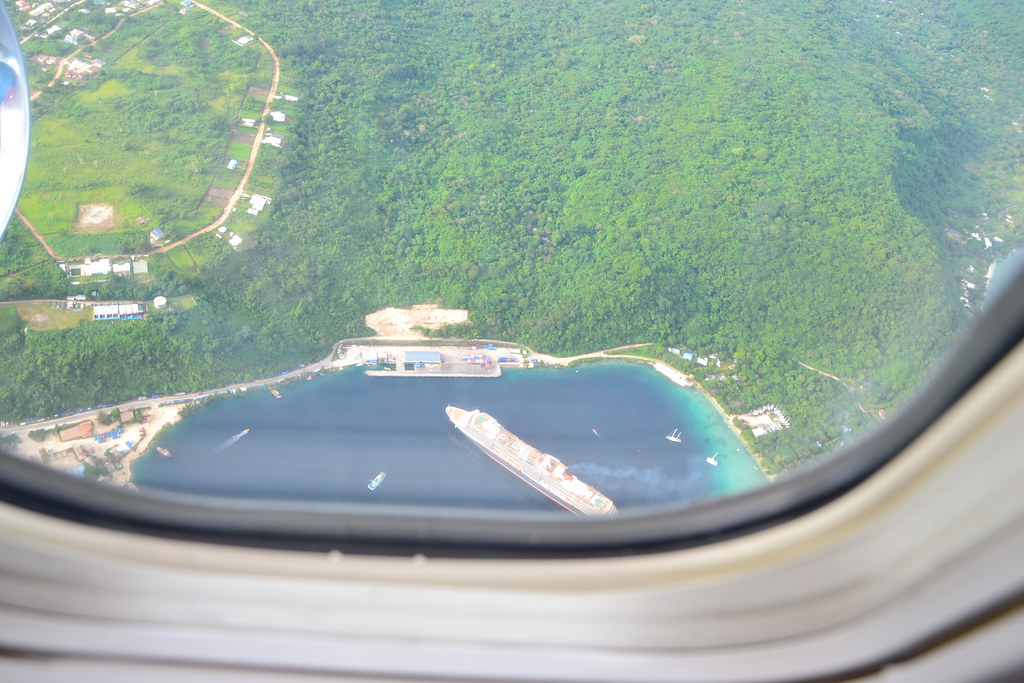
Recent reports have confirmed a cruise ship docking at Rotterdam port has been linked with cases of hantavirus, raising concerns among the global travel community. European authorities responding to the situation have implemented enhanced disinfection procedures and tightened health safety measures across key maritime entry points to help mitigate further spread.
Rotterdam, being one of Europe’s busiest cruise hubs, plays a critical role in these interventions. The port authorities and health officials have intensified monitoring and sanitation protocols designed to protect both crew members and passengers from exposure.
Global Health Protocols Evolving in Response
In light of the hantavirus detection, several European ports including Rotterdam have
adjusted their global health protocols to include more rigorous cleaning, passenger screening, and health communication strategies. This development is part of a broader effort to contain infective agents linked to cruise travel environments.
These protocols are aligned with international health guidelines that emphasize the importance of preventive actions such as frequent sanitization of common areas, health checks prior to embarkation, and real-time communication with public health partners.
Key Considerations for U.S. Travelers Booking Cruises
U.S. travelers planning cruises that include European port calls like Rotterdam should remain informed of the evolving health situation. Cruise operators and travel advisors are likely to emphasize precautionary measures onboard and during
port visits. Travelers are encouraged to:
Review health advisories from cruise lines and public health authorities. Ensure they understand the health protocols in place for embarkation and at each port of call. Consider travel insurance that covers health-related disruptions. Practice frequent hand hygiene and follow any onboard directives regarding illness reporting and movement limitations.
Awareness of these measures can help travelers reduce the risk of infection and contribute to broader public health efforts.
What to Monitor When Preparing for Your Cruise
Before boarding, travelers should consult multiple sources for updates. Key checkpoints include:
Official announcements from cruise operators about health protocols and any itinerary modifications. Information from the Centers for Disease Control and Prevention (CDC) or other public health agencies
regarding hantavirus and travel safety. Local health advisories issued by European ports of call, particularly Rotterdam port.
Staying current with this evolving information supports safer travel decisions and expedites compliance with any new requirements.
Navigating U.S. Travel Safety Amid Ongoing Cruise Health Challenges
The hantavirus outbreak linked to cruise activity at Rotterdam serves as a reminder of the complexities inherent in maritime public health. U.S. travelers must balance enthusiasm for global cruising with attentiveness to health protocols designed to reduce risks.
By following recommended guidelines, passengers can help ensure their experiences are both fulfilling and safeguarded against infectious threats. Enhanced global health protocols represent a collective commitment to safer
travel through vigilance and adaptability.
Those planning upcoming cruises with European itineraries are advised to maintain open communication with their travel providers and promptly report any symptoms of illness to onboard medical teams. Adhering to these practical measures supports ongoing efforts to uphold traveler health and confidence.