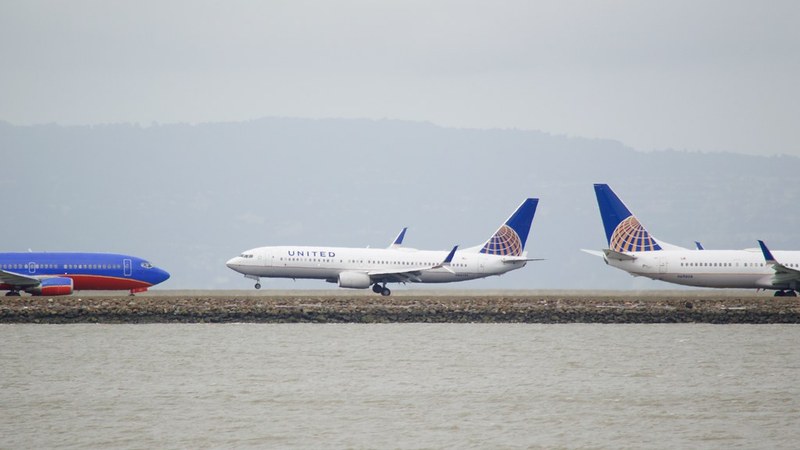
On November 9, 2026, thick fog over London led to flight cancellations at Heathrow and London City airports, impacting airport operations during the morning rush. The fog reduced visibility to 50 metres or less, forcing the cancellation of several flights at these major London airports.
Weather Conditions and Visibility
The Met Office issued a yellow weather warning covering London and most of South East England until 11am due to foggy conditions. Operational meteorologist Niamh Murray explained the fog formation resulted from light winds, clear skies, and the long autumn nights causing temperatures near or below freezing. These factors combined created ”the perfect recipe” for
fog development that morning.
Flight Cancellations Numbers
By 6:30am on November 9, seven flights from Heathrow and three from London City airports had been cancelled due to safety concerns from the poor visibility. The delays affected passenger schedules and disrupted planned airport operations during the early part of the day.
Traffic and Safety Issues
Besides aviation disruption, fog also severely affected road travel. The M20 motorway near Maidstone, Kent, was earlier closed for nearly 12 hours after a fog-related crash involving over 30 vehicles on November 7. That incident caused serious injuries to two people and highlighted the ongoing hazardous conditions in the region’s transport network.
Official Advice on Travel Safety
AA
president Edmund King advised drivers in foggy conditions to reduce speed and increase distance from vehicles ahead. He warned against relying solely on the rear lights of the car in front, which may create a false sense of security and endanger safe braking distances. King emphasized, “There’s no prize for arriving a few minutes early. Give yourself extra time, slow down and drive to what you can actually see ahead.” Murray added that longer nights and lower temperatures during this season foster fog persistence.
Broader Weather Context
The prolonged cooling during autumn and winter nights, paired with clear skies and minimal wind, creates
conditions where the air becomes saturated, resulting in dense fog. This significantly reduces visibility on roads and at airports across London and the South East, complicating travel and operational safety on affected days.