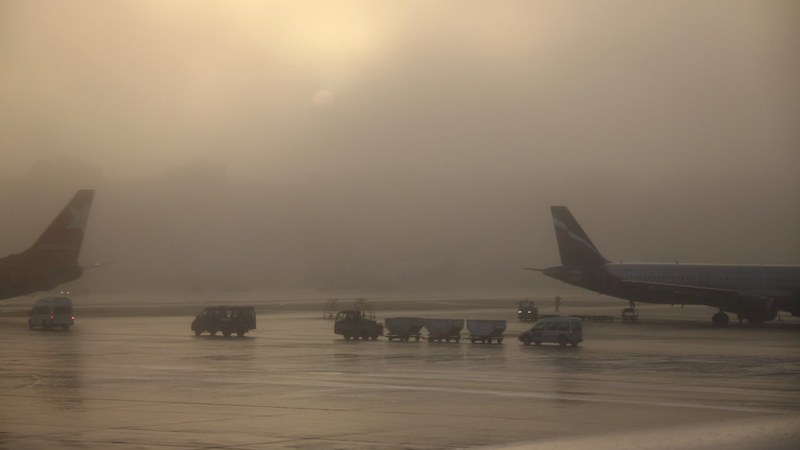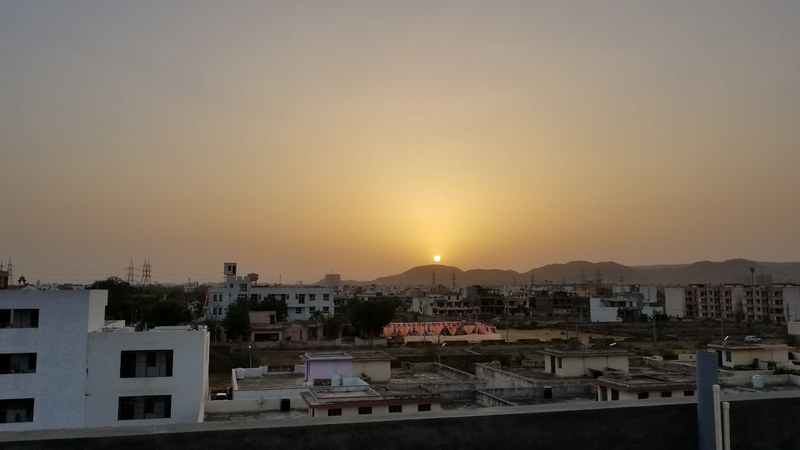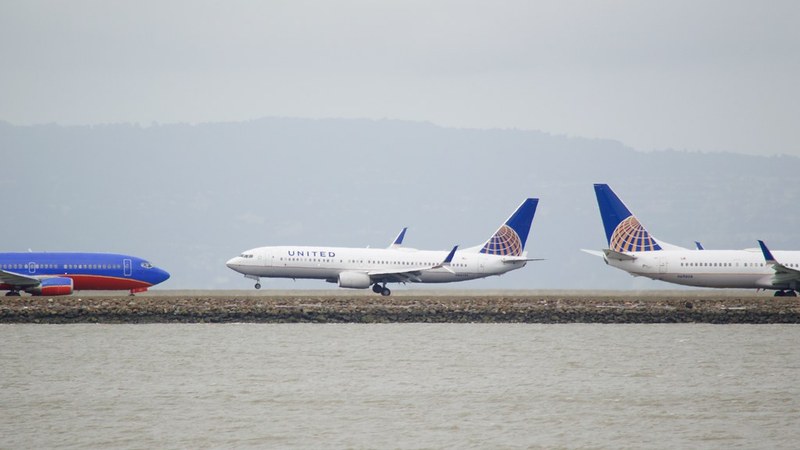
Multiple flights at Heathrow and London City airports were cancelled on the morning of November 9, 2026, amid a yellow weather warning for fog across London and most of the South East. By 6:30am, Heathrow had cancelled seven flights while London City recorded three cancellations. The warning, effective until 11am, was issued as visibility dropped to 50 metres or less, significantly disrupting flight operations.
Meteorological Causes Behind the Fog
Niamh Murray, an operational meteorologist at the Met Office, explained that the weather conditions created “the perfect recipe” for fog formation overnight. She stated that longer autumn and winter nights allow temperatures to fall closer to
the dew point, causing the air to become saturated. “We get a longer period of cooling and also the temperatures are much lower, so they’re much closer to the temperature that we need for the air to become saturated and therefore form fog,” Murray said. Light winds and clear skies further contributed to the dense fog persisting into the morning.
Road Travel Disruptions and Safety Warnings
On November 8, a crash involving over 30 vehicles occurred on the M20 motorway in Kent between junctions 8 and 9 near Maidstone amid foggy conditions. The collision led to the closure of the motorway in both directions for nearly
12 hours and caused serious injuries to two people. Edmund King, president of the AA, urged motorists to adjust driving behavior in fog. He advised drivers to reduce speed, increase following distance, and avoid relying solely on the rear lights of the vehicle ahead, warning that such practices reduce reaction time. “Ultimately, there’s no prize for arriving a few minutes early. Give yourself extra time, slow down and drive to what you can actually see ahead,” King said.
Fog Persistence and Seasonal Factors
The fog experienced on November 9, 2026, is typical for the autumn and winter months when extended nights and temperature patterns favor
fog development. Murray noted that fog can remain stubborn and linger into the next day if temperatures drop below zero degrees Celsius. The combination of light winds, clear skies, and saturated air creates conditions that often cause sustained low visibility across London and the South East during this season.