Flight Disruptions Trigger Major Delays Across Leading U.S. Airport Hubs
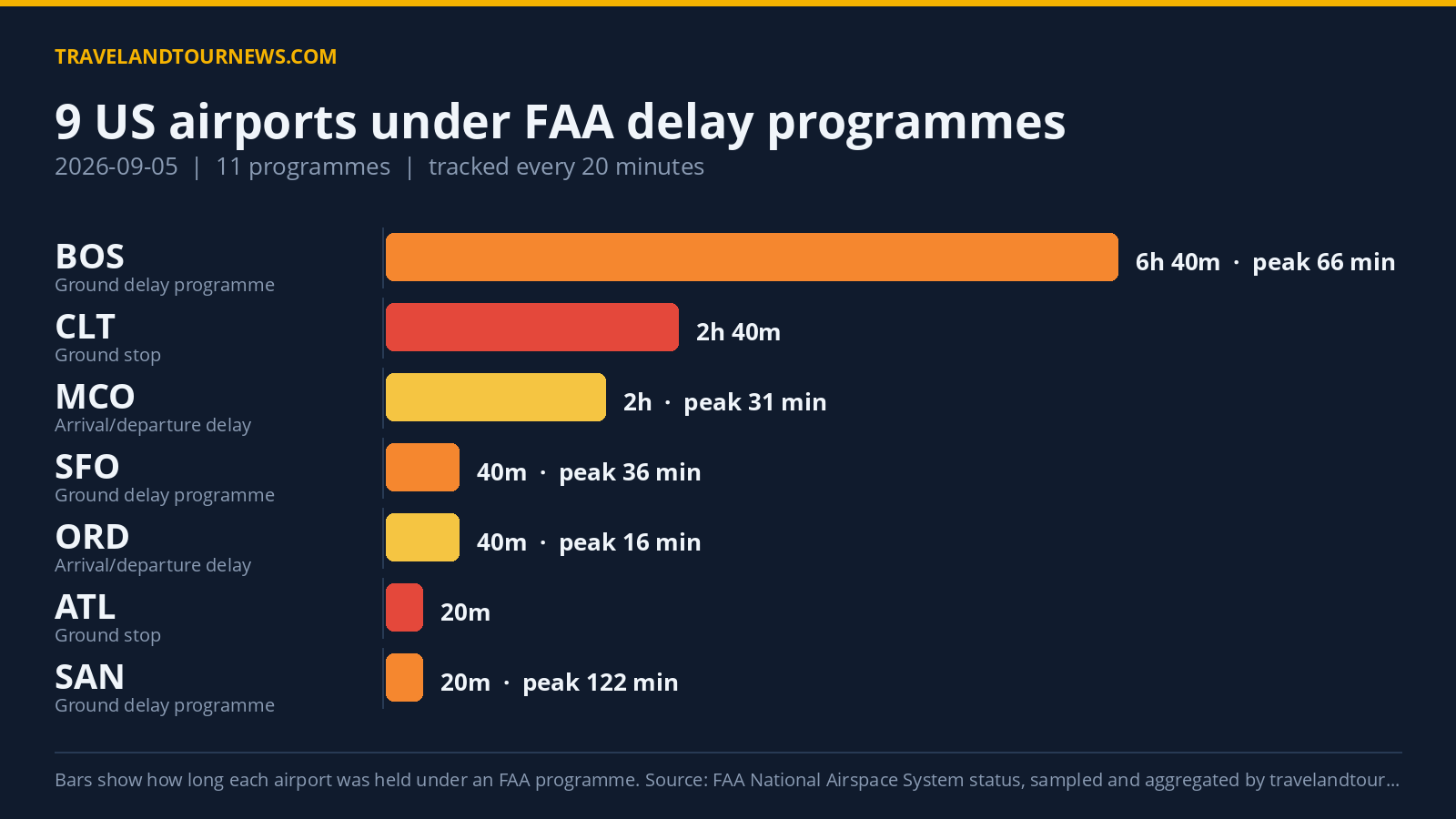
Recent operational challenges have caused widespread flight delays and cancellations at key U.S. airports, including Chicago O’Hare, Atlanta, and Los Angeles International (LAX). These disruptions have directly affected major domestic and international routes operated by United, Delta, and American Airlines. Thousands of passengers face extended wait times and uncertainty as they navigate the evolving travel landscape during this period of congestion.
Chicago O’Hare Airport Under Pressure Amid Heightened Travel Demand
Chicago O’Hare, one of the busiest airports in the country, is experiencing significant operational strain. The airport’s infrastructure and ground handling capacity are being tested as adverse weather and increased passenger volumes coincide. This combination has resulted in delays
and cancellations that ripple across multiple airlines’ flight schedules, further complicating recovery efforts.
Impact on United Airlines Operations at O’Hare
United Airlines, which maintains a substantial presence at Chicago O’Hare, has encountered disruptions affecting numerous flights. While specific internal operational details remain undisclosed, passengers have reported prolonged hold times and frequent schedule changes as the airline attempts to manage the backlog effectively.
Atlanta Airport Encounters Similar Challenges Affecting Delta and Others
Atlanta’s airport, frequently cited as the world’s largest hub by passenger numbers, is similarly experiencing delays and cancellations. The high volume of connecting flights amplifies the operational impact, increasing the likelihood of cascading delays that affect downstream flights nationwide. Major carriers, including Delta Air Lines,
have had to adjust schedules and reroute passengers where feasible.
Los Angeles LAX Faces Disruptions Amid Peak Domestic and International Travel
LAX airport’s departure areas and terminals are currently contending with large passenger crowds and fluctuating service levels. Disruptions here not only delay numerous flights but also challenge airport staff and airline teams working to assist travelers and manage gate assignments. American Airlines, which operates substantial routing through LAX, has seen multiple cancellations and significant delays across its network.
Broader Travel Market Context for U.S. Airport Hubs
These interruptions highlight the complex nature of managing major airport hubs during peak travel seasons. Infrastructure limitations, fluctuating demand, and external factors such as weather can strain airport operations. The U.S. domestic
and international travel markets increasingly rely on these hubs for connectivity, meaning that disruptions at one airport often have nationwide consequences.
Passenger Experience Amid Ongoing Operational Challenges
Travelers passing through Chicago O’Hare, Atlanta, and LAX airports should anticipate extended wait times and the possibility of last-minute cancellations. It is advisable for passengers to monitor flight status updates closely, arrive early at airports, and prepare for potential changes in connecting travel plans. Accommodations and alternative flight arrangements may be necessary for those affected.
Recommendations for Travelers
Check airline communications frequently for schedule updates. Consider flights with flexible change policies. Allow extra time for airport security and boarding processes. Have contingency
plans if stranded, including accommodation options.
Outlook for U.S. Airlines and Airport Operations
As carriers and airports work through these challenges, coordinated efforts aim to restore smoother operations. While exact timelines remain uncertain, airlines are prioritizing passenger service and operational resilience. Continued monitoring and adjustments will be critical to minimizing disruptions going forward.