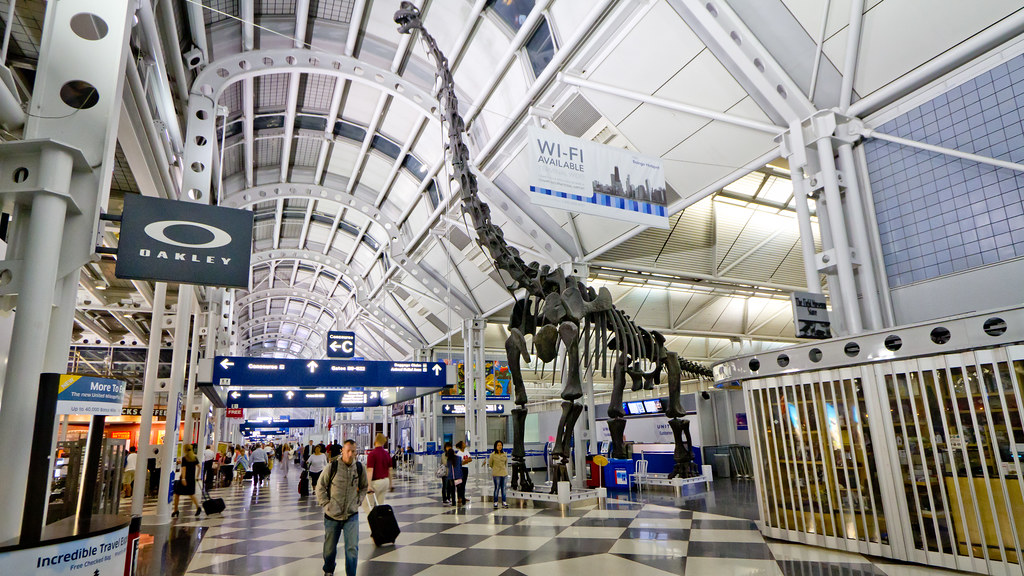
Widespread Disruptions at Key US Air Hubs
Travelers across the United States have recently experienced significant disruptions due to a surge in flight delays and cancellations at some of the nation’s busiest airports. These operational challenges have notably affected major hubs including John F. Kennedy International Airport (JFK), Newark Liberty International Airport, and Washington Dulles International Airport. The ripple effects are being felt across domestic and international flights, contributing to heightened uncertainty for passengers and airlines alike.
Flight Delays and Cancellations at JFK Airport
JFK International Airport, a central gateway for traffic between the US and global destinations, has seen a substantial number of flight delays alongside cancellations during this period. Multiple US carriers
are affected by these operational disruptions, which contribute to a congested environment at terminals and runways. This has complicated the airport’s ability to maintain smooth schedules for the thousands of domestic and international travelers who pass through daily.
Ongoing Operational Challenges at Newark Liberty Airport
At Newark Liberty International Airport, delays and cancellations are impacting flights serving the US, Canada, Europe, and Latin America. The interconnected nature of these international routes amplifies the effects of disruptions, often resulting in cascading schedule changes and missed connections. Passengers planning travel through this hub are advised to anticipate delays and monitor flight status closely.
Washington Dulles Airport Experiences Notable Delays
Washington Dulles International Airport has reported
numerous flight delays affecting several major airlines, including United, American Airlines, and Delta. As a critical airport serving the Washington metropolitan area and beyond, operational setbacks here pose challenges for both business and leisure travelers. The combination of such delays potentially results in congested gates and extended waiting times for boarding and arrivals.
Implications for US Travelers
The current climate of flight disruptions means US travelers should prepare for substantial challenges when flying through busy hubs like JFK, Newark, and Dulles. This environment underscores the importance of flexibility in travel plans, with advance check-ins and real-time flight monitoring strongly recommended. Passengers are encouraged to
allow additional transit time particularly for transferring connections and to maintain communication with airlines regarding schedule updates.
Broader Context in the US Aviation Sector
While these disruptions are causing immediate inconvenience, they occur within the broader framework of increased air travel demand and evolving operational capacities at airports. Growing passenger volumes combined with infrastructure and air traffic management constraints continue to test airport workflows nationwide. Such challenges often contribute to the cyclical nature of delays particularly at high-density air traffic hubs.
Strategies Adopted by Airlines and Airports
Airlines and airport authorities are actively working to mitigate the ongoing operational pressures by adjusting schedules and deploying additional resources where possible. Efforts to improve passenger
communications and streamline boarding processes are also underway. However, given the complexity and scale of travel demand, mitigating delays fully remains an ongoing challenge for the foreseeable future.