On September 11, 2026, flash flooding near Hartsfield-Jackson Atlanta International Airport forced the closure of the Interstate 285 westbound ramp to Interstate 85 southbound. Rising floodwaters also impacted GA 400 near Northridge Road in Sandy Springs and Courtney Drive near Finley Drive in Clayton County, disrupting regional traffic and access routes around the airport.
The Georgia Department of Transportation closed the I-285 westbound-to-I-85 southbound ramp due to standing water that overwhelmed the interchange. Floodwaters additionally left GA 400 near Northridge Road impassable and covered roadways in Clayton County. Flash flood warnings issued by the National Weather Service extended until 10:30
p.m., covering counties including Clayton, DeKalb, Fulton, Carroll, Douglas, Haralson, and Paulding.
FAA Imposes Ground Stop and Delay Program
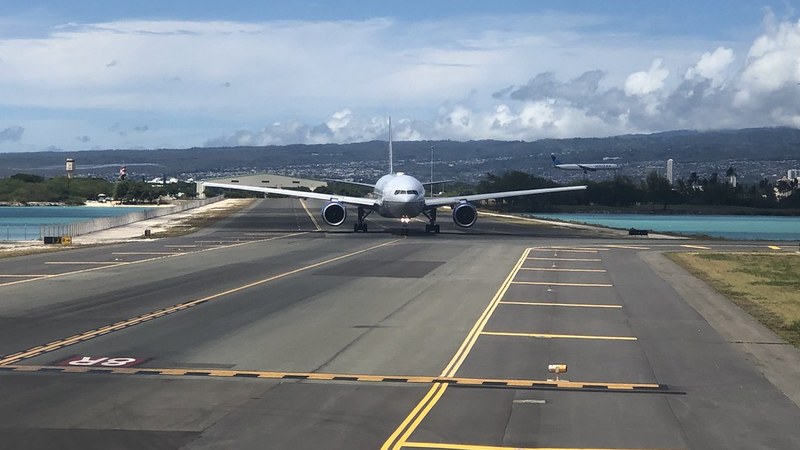
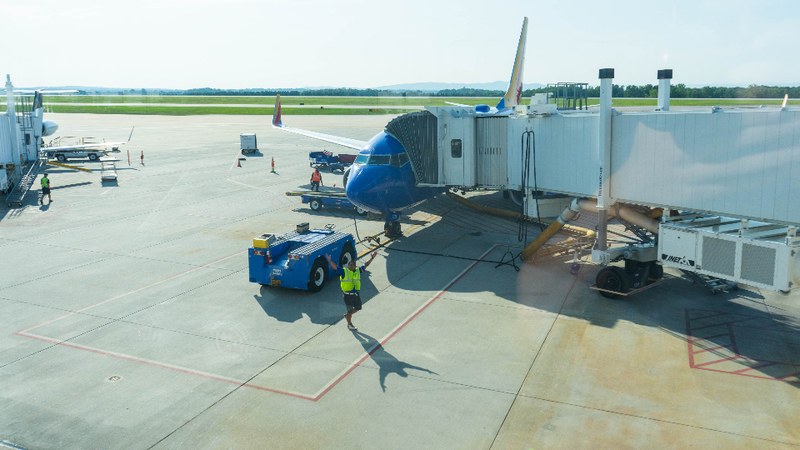
The Federal Aviation Administration issued a ground stop at Hartsfield-Jackson International Airport starting at 4:45 p.m., initially lasting one hour and later extended to 5:45 p.m. This halt grounded all Atlanta-bound flights originating from 10 major air traffic control centers across the eastern, central and southern United States.
Following the ground stop, the FAA transitioned to a ground delay program through 9:59 p.m., increasing average flight delays to 107 minutes, with some flights delayed as long as 271 minutes. The delay program reflected ongoing thunderstorm activity around the
airport.
Weather Conditions Behind Flooding
Slow-moving thunderstorms fueled by extreme moisture and heat indices in the upper 90s to low 100s contributed to heavy rainfall over the metro Atlanta area. Rainfall estimates by mid-afternoon ranged from 1.5 to 4 inches in affected counties. The intense precipitation caused standing water to accumulate rapidly on roadways and highway ramps near the airport, triggering closures.
The National Weather Service Forecast Office in Peachtree City, which oversees a 96-county warning area including all of Metro Atlanta, coordinated continuous warnings throughout the storm’s duration.
Hartsfield-Jackson Atlanta International Airport Flight and Capacity Context
Hartsfield-Jackson remains the world’s busiest passenger airport as of 2025, spanning 4,700 acres and serving
106.3 million travelers that year. It offered 63.1 million scheduled flight seats in 2025, exceeding capacity at Dubai International Airport.
The airport’s scale and regional reach mean that ground holds and delays involving multiple air traffic centers lead to ripple effects across the eastern, central and southern U.S. The September 11 flood-induced operational halt demonstrates how weather events can disrupt a broad network of flights beyond Georgia.
Travel and Safety Impacts
Traffic disruptions caused by closed highway ramps and flooded local roads contributed to access challenges near the airport. The Georgia Department of Transportation and National Weather Service warned drivers of hazards posed by
floodwaters, emphasizing that as little as 12 inches of moving water can sweep vehicles away and advise compliance with road closures.
Flight delays persisted through the evening of September 11, despite lifting the FAA ground stop, as the airport managed incoming backlog from widespread regional flight holds. The episode is part of a series of severe weather impacts experienced by Metro Atlanta in 2026, including recent power outages and prior ground stops at Hartsfield-Jackson.