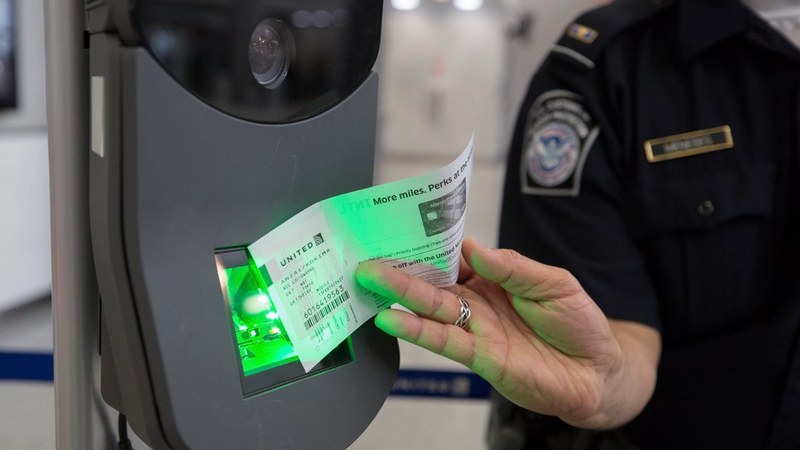
The Federal Airports Authority of Nigeria (FAAN) began deploying the V-Pass biometric facial recognition identity verification system across Nigerian domestic airports in July 2026. This initiative targets all domestic terminals nationwide as part of efforts to modernize airport security and passenger processing.
Technology Partnership Powers V-Pass Deployment
FAAN partnered with Verxid Technologies to develop the V-Pass system, which incorporates AI-powered biometric identity verification provided by Abuja-based Barnksforte Technologies. The system includes a Central Management System that tracks passenger movements and generates analytics, enabling future integration with other airport technologies.
Purpose of V-Pass in Nigerian Airports
The V-Pass facial recognition system aims to streamline passenger identification, allowing travelers to confirm their identities
quickly and securely. This enhances speed and safety during passenger processing at Nigeria’s domestic airports by reducing manual identity checks and improving access control.
Digital Transformation Strategy Underpinning V-Pass
The rollout aligns with FAAN’s broader digital transformation agenda focused on embedding biometric technology for access control across its facilities. Adoption of V-Pass reflects the Authority’s strategy to leverage biometric solutions for more efficient airport operations and tighter security measures within Nigeria’s domestic air travel infrastructure.
Passenger Benefits and System Impact
Domestic passengers in Nigeria benefit from faster boarding and more secure identity verification through facial recognition under V-Pass. The biometric system reduces delays caused by manual document checks and enhances
overall passenger experience by enabling seamless and safer movement through airport checkpoints.
Global Context of Biometric Passenger Processing
FAAN’s implementation of the V-Pass system mirrors a global trend toward increased use of biometric passenger processing in airports. While worldwide efforts focus on developing interoperable biometric credential ecosystems, challenges related to governance and scalability remain. Nigeria’s deployment contributes to this global shift by integrating facial recognition technology into domestic airport security frameworks.