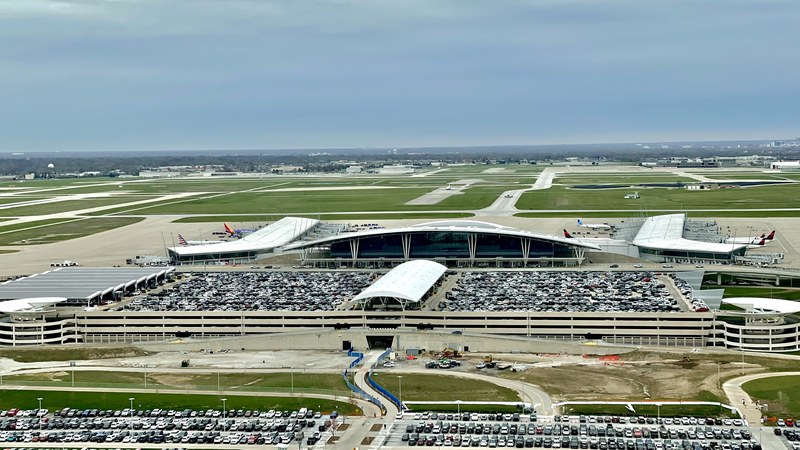
A Verizon fiber-optic cable was severed during construction work in New Jersey on September 21, 2026, cutting a backup data feed essential for the Federal Aviation Administration’s air traffic control. This incident caused a widespread FAA equipment outage that led to ground stops and flight disruptions at Newark Liberty International, Philadelphia International, John F. Kennedy International, and LaGuardia airports.
The severed cable disabled backup connectivity to the FAA’s Terminal Radar Approach Control (TRACON) center in Philadelphia, responsible for managing radar approach for both Newark and Philadelphia. The primary and backup circuit failures halted communication and sequencing of inbound and outbound
flights, forcing the FAA to suspend flights bound to these airports.
Major Flight Cancellations, Delays, and Diversions
By 6 p.m. Eastern Time on September 21, more than 600 flights were canceled at Newark, representing over half of the day’s schedule. Newark also recorded nearly 100 delayed flights. Philadelphia experienced over 200 flight cancellations and more than 400 delays, with delays reaching up to 150 minutes. By early afternoon on the same day, disruptions spread to JFK and LaGuardia, where flights were temporarily halted and resumed later with lingering delays.
International arrivals were also severely affected. Nearly 100 flights returning from overseas were diverted to alternate U.S.
airports. For example, a United Airlines flight from Berlin was rerouted to Detroit Metropolitan Wayne County Airport, and a Scandinavian Airlines (SAS) flight from Stockholm, destined for Newark, diverted to Washington Dulles International Airport. Other diverted international flights originated from countries including Iceland, Egypt, Greece, Spain, and France.
Airline Responses and Passenger Accommodations
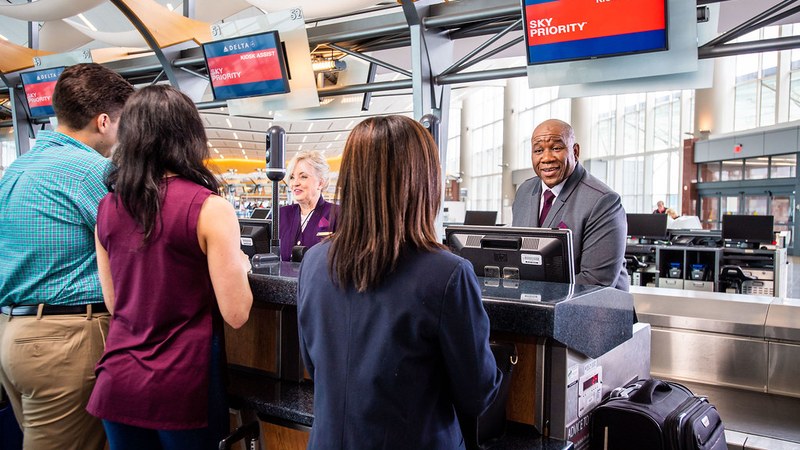
United Airlines and American Airlines, the two largest carriers serving these hubs, issued travel waivers allowing passengers affected by the disruption to rebook flights without change fees. United also offered additional pay incentives for Newark-based staff to cover operational needs and arranged commuting options between Newark and the New York City area.
American Airlines permitted customers to use alternative airports for departures from its Philadelphia hub to mitigate disruption.
Official Statements on Cause and Repair Efforts
FAA Administrator Bryan Bedford confirmed that when the primary line failed and the system switched to backup, the backup fiber was found broken. He stated, “when it went to flip into the backup, we discovered the backup fiber had a break.”
Verizon attributed the damage to a construction crew working near utility markings along a rail project between New Brunswick and North Brunswick, New Jersey. Verizon said, “Construction contractors working in the area dug up and cut our cable,” adding that its facilities
were fully operational until the incident and denying responsibility.
NJ Transit acknowledged that the fiber-optic cable was accidentally severed by a construction crew approximately 10 feet from utility markings. The agency said its personnel were on site investigating repair status and utility markings responsibilities.
Transportation Secretary Sean Duffy posted updates on social media platform X on September 21, confirming that repairs were progressing and flights were resuming. He emphasized the requirement for modernized air traffic infrastructure in response to the outage.
Passenger Experience and Flight Impact Details
Passengers faced cancellations, delays, and diversions affecting East Coast airports including Newark, Philadelphia, JFK, and LaGuardia on September 21
and prolonged into September 22, 2026. Flight delays reached up to 150 minutes during peak disruption periods. International flyers experienced rerouting to cities such as Detroit and Washington, leading to extended travel times and connection challenges.
Aging Infrastructure Amid High-Profile International Events
The FAA outage coincided with the arrival of international leaders in New York City for the United Nations General Assembly. The incident highlighted vulnerabilities in the nation’s aging air traffic control technology, a longstanding issue that prompted the Trump administration to announce a multibillion-dollar modernization program in 2025.
Secretary Duffy’s comments linked the disruption to infrastructure challenges, underscoring federal efforts toward upgrading capacity to
prevent similar events.