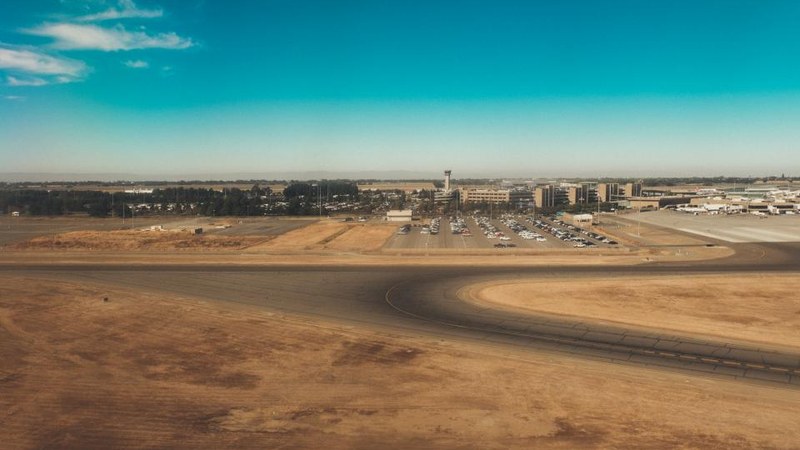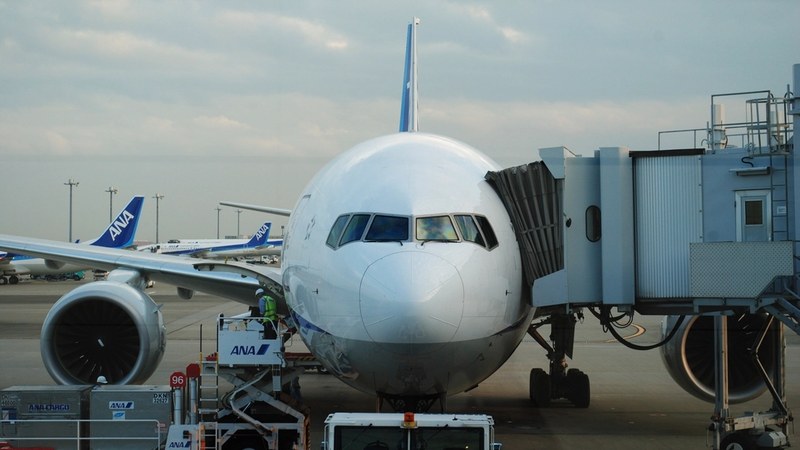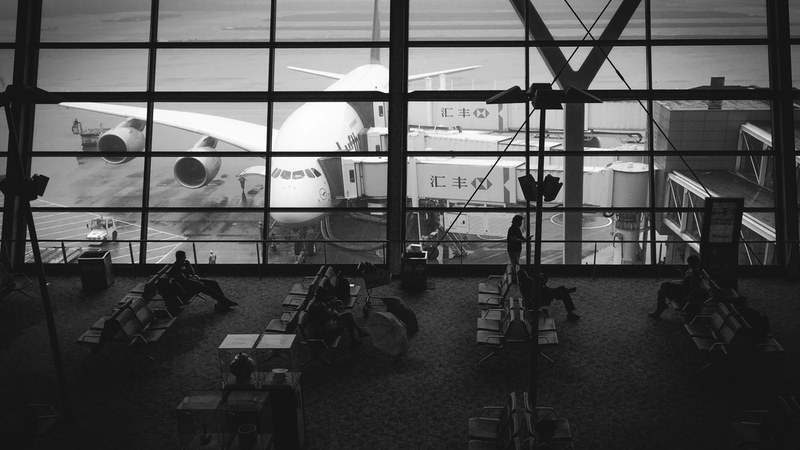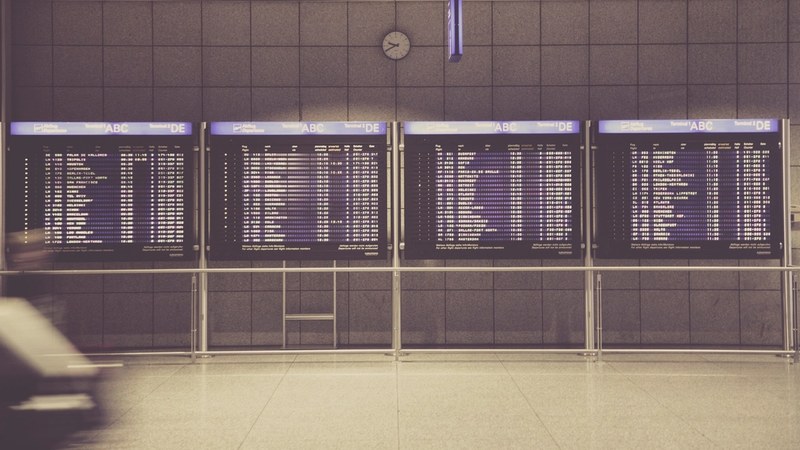
The Federal Aviation Administration (FAA) imposed ground stops at six major airports in the Northeast United States on September 6, 2026. The airports affected include New York’s LaGuardia, John F. Kennedy International, Newark Liberty International, Philadelphia, and Boston airports. The FAA cited severe thunderstorms over the Mid-Atlantic and New England corridors along with staffing constraints in regional air traffic facilities as the reasons for the ground stops.
American Airlines suffered an IT outage today that disrupted its dispatch and flight operations systems, forcing the FAA to issue a separate nationwide ground stop specifically for the carrier. At American’s largest hub,
Dallas Fort Worth International Airport, dozens of jets were reported parked on taxiways during the outage. The IT failure also affected customer-facing tools such as mobile apps and booking systems, complicating flight tracking and rebooking for passengers.
Flight-tracking data indicated thousands of flights nationwide were delayed or canceled as a result of combined weather impacts and the American Airlines IT outage. Average delays at the Northeast airports exceeded an hour, with many aircraft remaining on taxiways awaiting clearance. The disruptions led to significant bottlenecks, contributing to extended operational delays across the national air network.
FAA-mandated capacity limits remain in effect
at several Northeast airports, including Newark Liberty International Airport, through October 2026. These limits reduce scheduled operations by approximately 6 to 10 percent at many busy locations. American Airlines previously cut flights by several percentage points at around 40 airports to comply with FAA directives aimed at mitigating congestion during staffing shortages.
Travelers experienced long lines at airport security checkpoints and customer service counters amid the disruptions. Missed connections became widespread, with rebooking options diminishing quickly on peak routes connecting coastal hubs and major inland cities. Delays were not confined to the Northeast; impacts rippled nationwide, especially affecting hubs such
as Charlotte Douglas International Airport and Philadelphia Airport.
Besides American Airlines, other major U.S. carriers including United Airlines, Delta Air Lines, and Southwest Airlines faced elevated disruptions. These affected routes that intersected storm-impacted airspace over the Northeast and Midwest. The combination of thunderstorm weather, FAA flight operation limits, and the airline’s IT failure exacerbated the challenges across multiple networks.
Summer thunderstorms over the East Coast frequently cause air travel disruptions, especially when combined with air traffic controller staffing shortages. The American Airlines IT outage, marking at least the second broad operational failure in under two years, intensified the severity of
today’s travel interruptions. These factors strained an airspace system already operating close to capacity during peak travel periods.
The FAA continues to maintain temporary scheduled operation reductions at approximately 40 airports nationwide to ease workload on air traffic facilities. Recent safety evaluations froze these cutbacks at 6 to 10 percent reductions after observing rising controller workloads. Airlines are under pressure to strengthen IT infrastructures following multiple high-profile outages, while regulatory agencies pursue staffing enhancements and system modernization.
Travel disruptions are expected to persist for several days as airlines work to rebalance equipment and crew rotations. Historical patterns from previous Northeast
weather-related shutdowns, such as Winter Storm Hernando, suggest residual delays can linger beyond the initial disruption. Airlines and agencies caution that volatility will continue to affect flights, particularly on routes dependent on precise aircraft positioning.