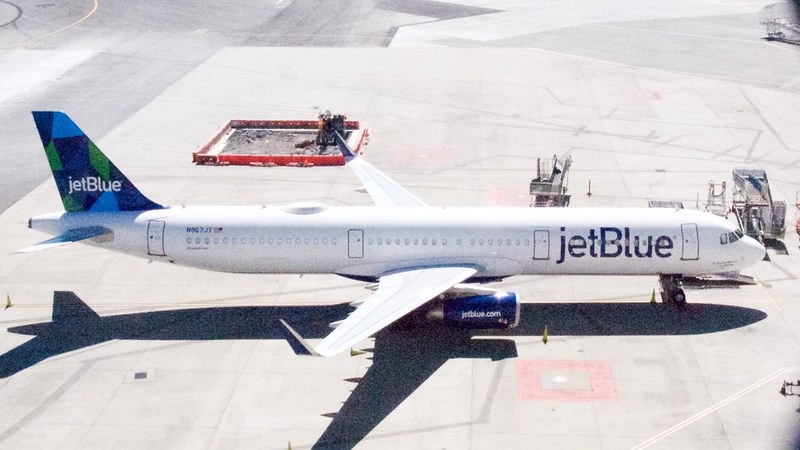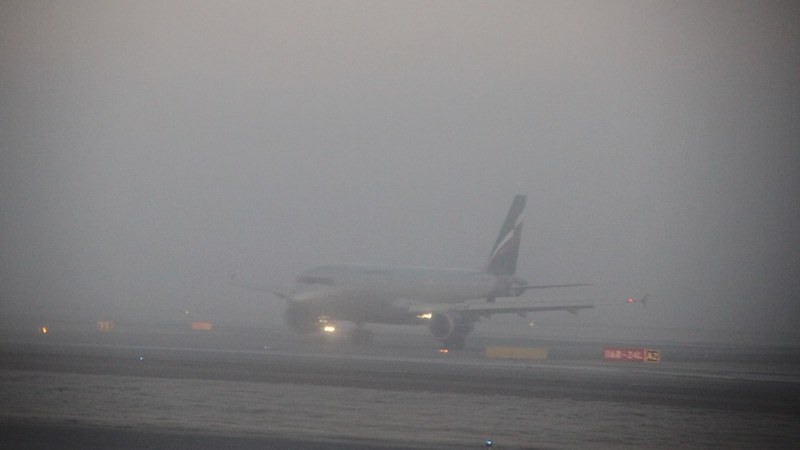
San Francisco International Airport experienced multiple Federal Aviation Administration (FAA) ground stops on November 9, 2026, resulting in 187 delayed flights and three cancellations reported by 10:30 a.m. Pacific Time. The initial ground stop started shortly before 8 a.m. and was lifted around 9:15 a.m., with subsequent stops around 10:28 a.m. and just before noon.
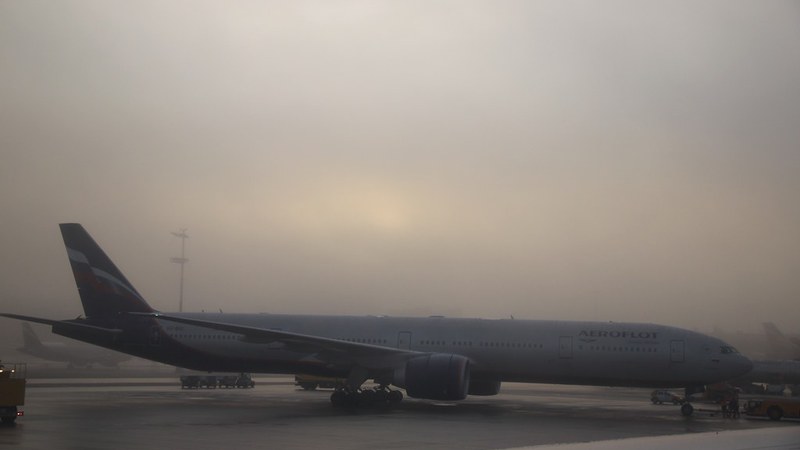
Dense fog and low cloud ceilings over the San Francisco Bay reduced visibility to as low as 0.13 miles near 8 a.m., significantly limiting airport capacity. The National Weather Service issued a dense fog advisory for the San Francisco area and the surrounding bay shoreline,
warning of visibility dropping to a quarter mile. Despite some surface visibility improvements later in the morning, persistent low clouds continued to restrict flight operations.
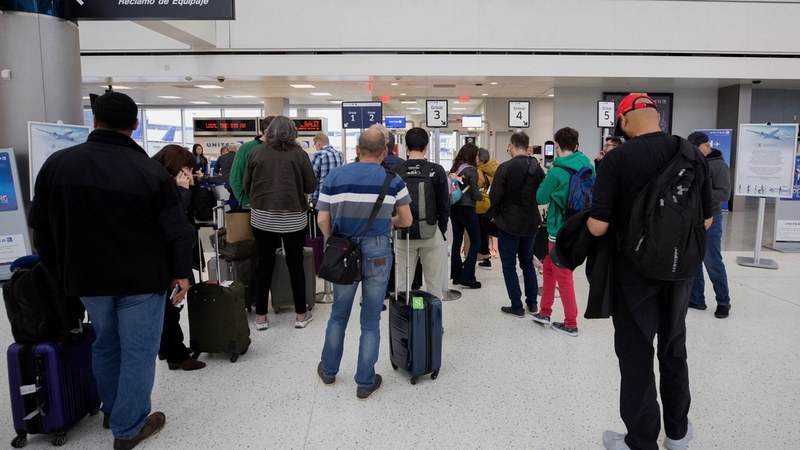
The FAA implemented a ground delay program to manage inbound flights following the first stop, holding selected departures at other airports to prevent overloading airspace near San Francisco. Arrivals faced average delays of approximately 63 minutes due to additional spacing requirements and low-visibility operating procedures. Passengers on flights to San Francisco from other U.S. airports experienced hold times before departure. These delays also risk affecting later scheduled flights if arriving aircraft reached the airport behind
schedule.
FAA ground stops are temporary traffic management measures, applied to prevent congestion rather than indicating airport closure. San Francisco International Airport’s proximity to San Francisco Bay makes it especially vulnerable to coastal fog and low clouds that reduce visibility. The FAA maintained restrictions and managed traffic flow as weather conditions evolved through the morning, adjusting measures to balance safety and flight operations.