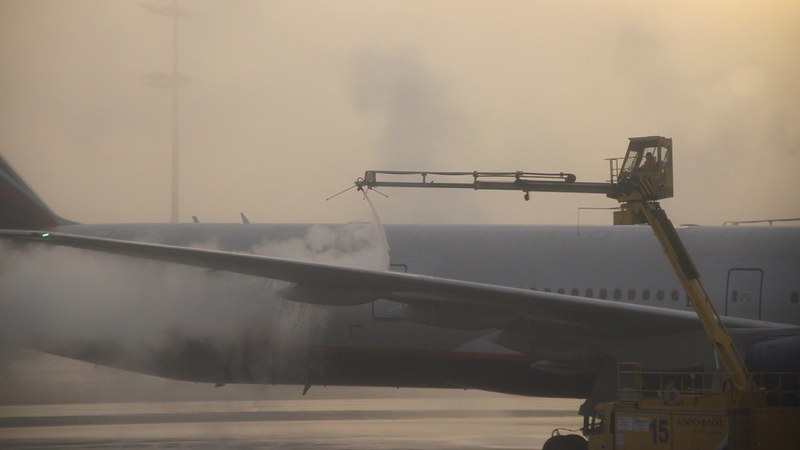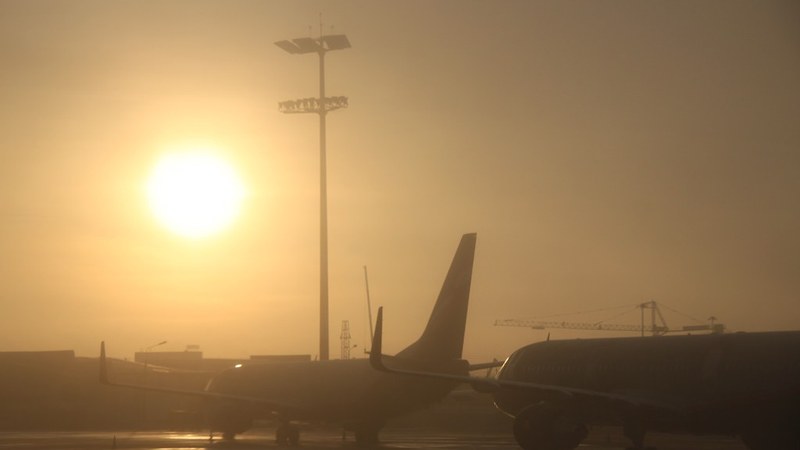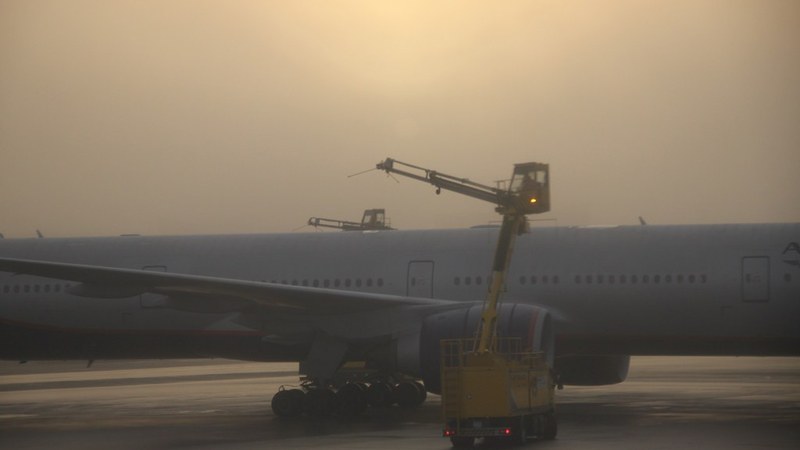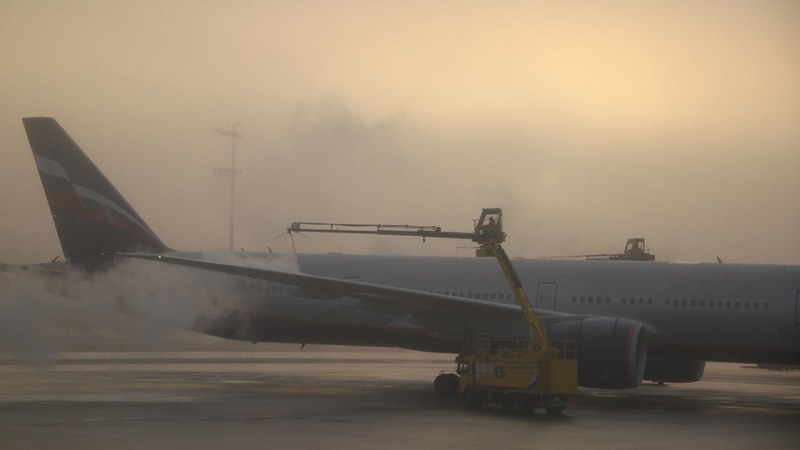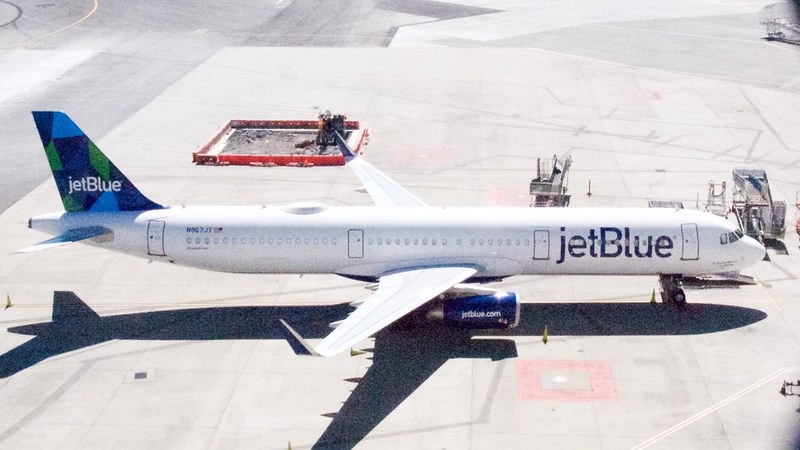
San Francisco International Airport experienced multiple FAA-ordered ground stops on November 9, 2026, caused by dense fog and low cloud conditions. The Federal Aviation Administration imposed these restrictions to manage air traffic safely amid severely reduced visibility.
By 10:30 a.m. Pacific Time, there were 187 delayed flights and three cancellations reported at San Francisco International Airport. The FAA recorded the first ground stop beginning shortly before 8 a.m., lifted around 9:15 a.m., with subsequent stops occurring near 10:28 a.m. and shortly before noon. Arriving flights faced average delays of approximately 63 minutes during the period of operational disruption.
FAA Traffic Management and Weather Conditions
The FAA
introduced ground delay programmes alongside the ground stops, holding selected departures at other US airports to prevent excessive congestion in San Francisco’s airspace. Visibility over the airport dropped to around 0.13 miles near 8 a.m., prompting the FAA traffic measures. Even as surface visibility improved, low cloud ceilings remained a factor limiting flight operations. The National Weather Service issued a dense fog advisory for San Francisco and the bay shoreline, warning of visibility as low as a quarter of a mile in affected regions.
Passenger Impact and Operational Notes
Flights arriving and departing from San Francisco on November 9 experienced delays and cancellations due to
the FAA ground stops. Aircraft scheduled to fly into San Francisco from other US airports were held on the ground to avoid overcrowding in the destination airspace. These measures also caused ripple effects on subsequent departures as aircraft arrived behind schedule. Passengers traveling through or destined for San Francisco should expect delays and verify individual flight status with their airlines.
Fog as a Recurring Factor at San Francisco International Airport
San Francisco International Airport’s proximity to San Francisco Bay makes it vulnerable to dense coastal fog and low cloud ceilings. Such meteorological conditions require greater spacing between aircraft and the implementation of low-visibility operating procedures, reducing airport capacity. The FAA
emphasized that ground stops are temporary air traffic controls, not airport closures, and are adjusted as weather conditions change during the day.