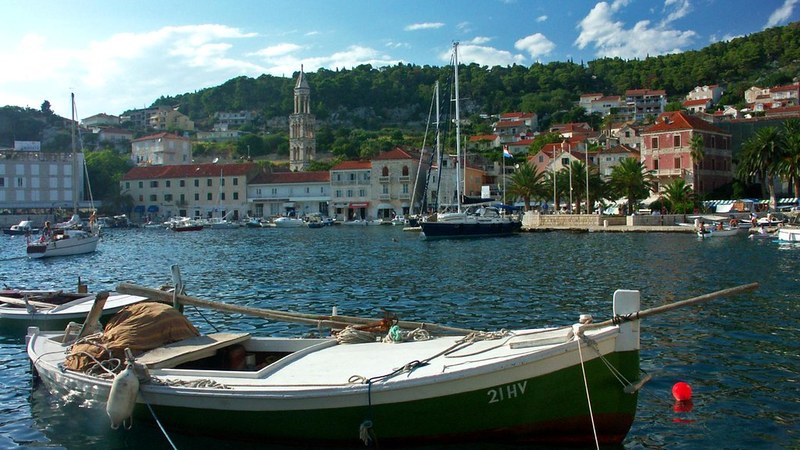
International tourist arrivals across Europe grew by 3% in summer 2026 compared to the same period in 2025, with 80% of European destinations reporting more foreign visitors, according to data reported by Breaking Travel News. Inbound travel spending increased in most destinations, exemplified by Hungary with a 20.1% rise in travel expenditure despite only a 2.5% increase in arrivals.
Regional Tourism Performance in Summer 2026
Northern Europe led growth with a 7.2% increase in overnight stays and a 6.2% rise in arrivals over the summer. Central and Eastern European countries posted strong double-digit arrival increases: Malta recorded 18%, Slovakia 15%, Ireland 13%, Poland 11%, and both
Romania and Montenegro 10%. Southern European nations saw moderate growth; Spain’s arrivals rose by 5%, France by 3%, and Italy by 1%.
Conversely, Cyprus experienced a 7% decline in arrivals largely due to flight disruptions linked to the Middle East conflict and safety concerns following a drone incident. Regional wildfires in Spain and France caused localized tourism disruptions but did not significantly affect national arrival figures.
Geopolitical, Climate, and Cost Factors Affecting Tourism
Geopolitical instability in the Middle East has disrupted European air travel, increasing flight times and operational costs due to airspace restrictions. This has contributed to flight cancellations and delays, particularly affecting destinations reliant on
Middle East air routes. Climate-related events, particularly wildfires in Spain and France, impacted regional tourism activities, especially in August 2026.
Simultaneously, rising energy and fuel costs have pushed up travel expenses, squeezing household budgets and reducing consumer spending capacity. This financial pressure is expected to influence travel patterns, potentially driving more selective traveler behavior and later bookings in winter 2026 and early 2027.
EU Sustainable Tourism Strategy Adoption
On 4 November 2026, the European Union formally adopted the Sustainable Tourism Strategy aimed at fostering competitiveness, sustainability, and resilience within the sector. The strategy prioritizes reducing seasonal fluctuations by extending tourism beyond peak periods and balancing
visitor flows across regions to benefit local economies year-round.
This initiative reflects a commitment to address the challenges posed by increased costs, geopolitical uncertainties, and climate impacts, and to promote multi-level governance in cooperation with tourism stakeholders.
Tourism Industry Concerns and Changing Travel Patterns
Industry professionals identified rising travel costs, including fuel prices, as their primary concern, with 50% citing this issue. General financial worries among tourism stakeholders eased slightly from 87% in Q2 2026 to 83% in Q3 2026, though continued fuel price increases could exacerbate cost pressures.
European tourism is gradually shifting toward a year-round model, narrowing the gap between quarter one and quarter three
visits from 22.5% in 2010-2015 to an expected 20.4% in 2027. The Mediterranean region leads winter demand growth, while Northern Europe may attract more summer visitors seeking cooler climates during hotter spells elsewhere, supporting more balanced tourism distribution.