The Federal Aviation Administration (FAA) issued ground stops at LaGuardia Airport and John F. Kennedy International Airport on November 12, 2026, due to thunderstorms impacting the New York metropolitan area. The ground stop at LaGuardia began at 1:27 p.m. ET and was initially expected to end at 3:45 p.m. ET, with a 30% to 60% chance of extension. At the same time, LaGuardia was also operating an all-evening ground delay program starting at 1 p.m. ET and scheduled through 11:59 p.m. ET. John F. Kennedy Airport’s ground stop started later at 2:49 p.m. ET, also with an initial anticipated end
time of 3:45 p.m. ET and similar probability for extension. Newark Liberty International Airport began a ground delay program at 2:37 p.m. ET in response to the thunderstorms.
Flight Delays and Cancellations at New York Area Airports
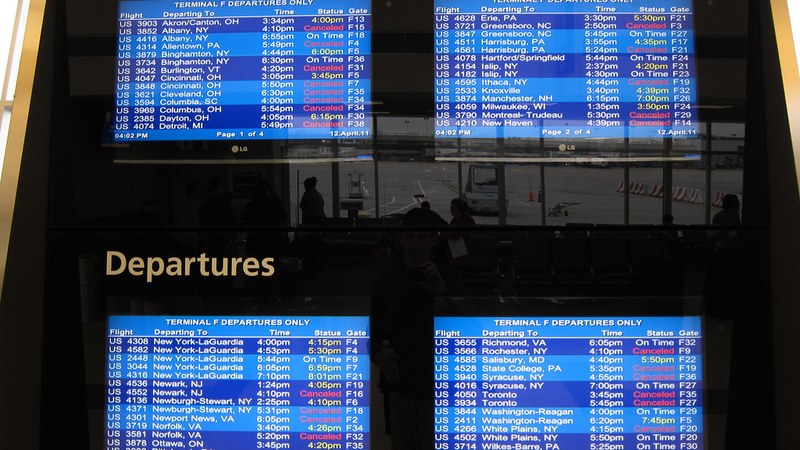
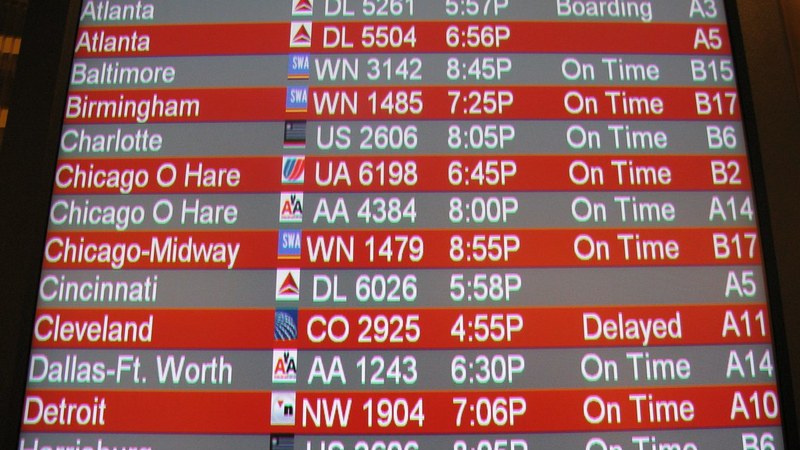
FlightAware data indicated significant disruption across the three airports during the afternoon hours. At LaGuardia, 215 flights were delayed and 10 were canceled as of 1:31 p.m. ET. Newark experienced 131 delays and six cancellations by 2:24 p.m. ET. JFK had the highest numbers, reporting 239 delays and 24 cancellations as of 3:16 p.m. ET. Flights arriving under LaGuardia’s delay program faced an average delay of 63 minutes, while Newark’s arriving flights
under its delay program averaged 137 minutes in delay. These disruptions reflect the direct impact of thunderstorm-related restrictions on flight operations.
Weather Conditions Driving Air Traffic Restrictions
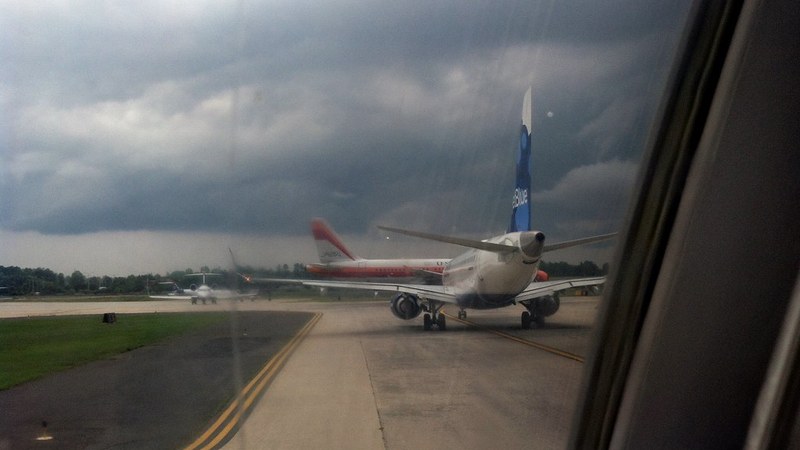
The ground stops and delay programs were prompted by thunderstorms and heavy rain in the New York metropolitan area on November 12, 2026. A flood advisory remained active until 1:45 p.m. ET affecting Newark and nearby low-lying areas due to minor flooding caused by the heavy precipitation. The National Weather Service forecasted continued rainfall extending into November 13, 2026, with possible minor coastal flooding in parts of the region. The FAA continues to monitor the weather across the Northeast
United States and warned that additional air traffic restrictions might be enforced as the weather system progresses.
Operational Impact of Ground Stops and Delay Programs
The FAA’s use of ground stops and ground delay programs at these airports reflects different operational controls to manage air traffic amid severe weather. Ground stops require flights destined for the affected airport to remain on the ground until the restriction lifts, effectively halting arrivals temporarily. Meanwhile, ground delay programs sequence departing flights to meter arrivals and maintain manageable traffic levels within the airspace and terminal. LaGuardia Airport was subject to both a ground stop and an all-evening delay program concurrently on November
12. Newark’s delay program produced average arrival delays that were more than twice as long as those at LaGuardia.
Wider Network Effects and Business Aviation Considerations
Because the New York metropolitan region’s airports serve as congested hubs, the layered restrictions from weather disruptions propagate delays throughout the broader airline network. Flights departing airports far outside the region face ripple effects due to the imposed flow controls at LaGuardia, JFK, and Newark. For business aviation operators competing for restricted airspace and terminal capacity, these compounded flight restrictions on the same day emphasize the necessity for coordinated planning of arrival slots and alternate options. The FAA’s forecast of ongoing
rainfall into the next day suggests monitoring for potential further operational restrictions across the Northeast.