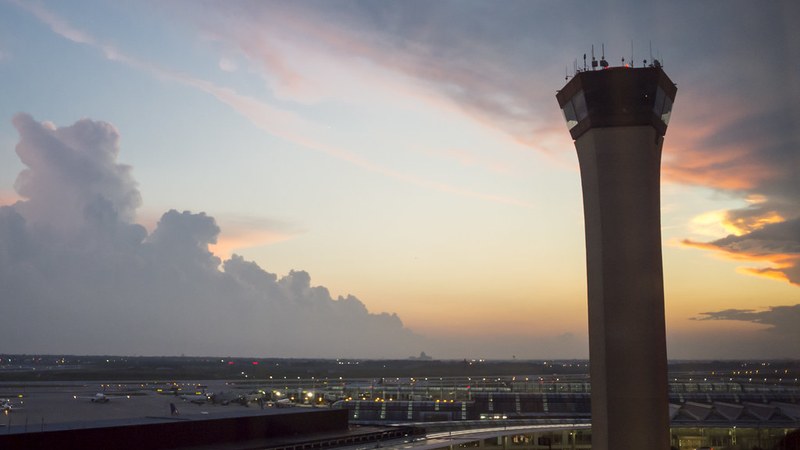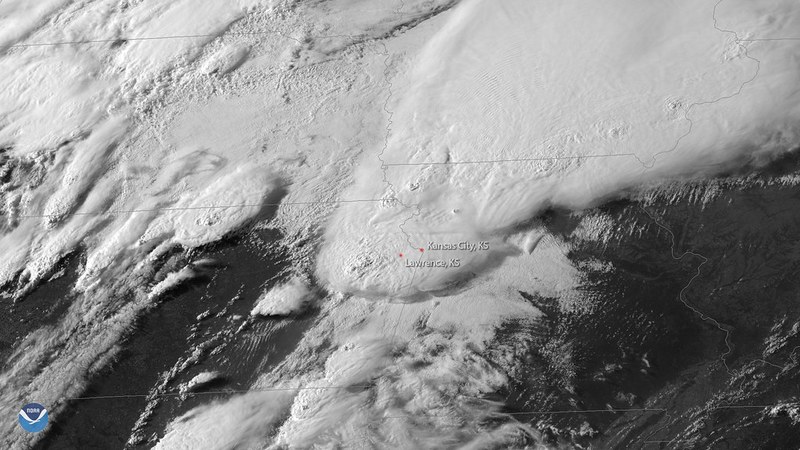
Federal Aviation Administration ground stops and ground delay programs active in July 2026 have driven daily flight cancellations past 1,000 on multiple peak days early that month. Severe thunderstorms over East Coast and Southern hubs, combined with infrastructure issues, have disrupted traffic at Boston Logan Airport, New York area airports (JFK, LaGuardia, Newark), Philadelphia, Atlanta, Charlotte, Denver, Chicago O’Hare, Houston, and several Florida airports.
Operational Impact at Key Airports
Ground stops temporarily hold departures at origin airports, causing cascading delays, missed connections, and equipment shortages nationwide. New York JFK, LaGuardia, Newark, Atlanta, Dallas Fort Worth, Charlotte, and Denver experienced heavy operational stress as arrivals slowed
and departures halted. Chicago O’Hare recorded double-digit percentage increases in peak summer day flights compared to the prior year, increasing its sensitivity to disruptions from traffic management programs.
Specific Incidents Amplify Delays
Boston Logan Airport’s fueling system problem earlier in July 2026 led to a temporary suspension of departures and resulted in dozens of cancellations. West Coast gateways faced delays from low clouds and marine layer conditions. Multiple short-term ground stops occurred near Independence Day at Washington, Charlotte, and Atlanta due to storm cells, intensifying travel complications.
Passenger Experience Amid Widespread Delays
Passengers at major hubs encounter extended onboard delays, rolling departure estimates, and missed tight connections. Crew timeouts
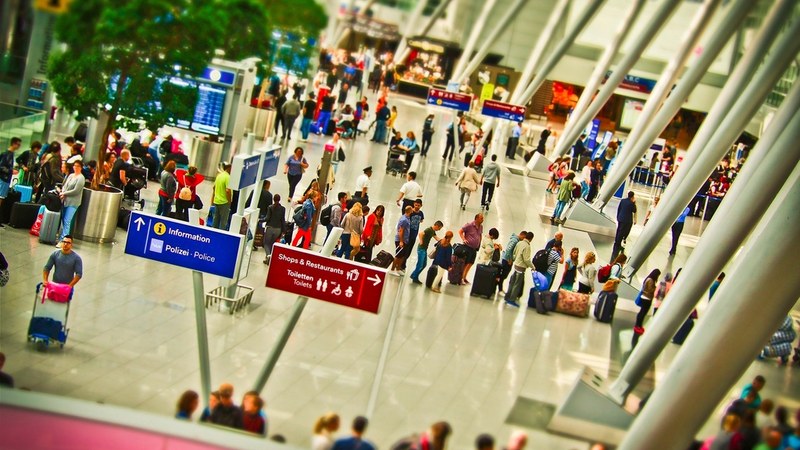
following extended duty days cause last-minute cancellations even after ground stops end. Rebooking is difficult; many flights are fully booked, forcing passengers into reroutes or flights a day or more later, often incurring added costs. Terminals remain crowded with long lines and flight status boards dominated by delay and cancellation notices.
Background and Federal Efforts
The combination of summer thunderstorms, seasonal infrastructure glitches, and tightly packed flight schedules drives FAA ground stops and delay programs. Past nationwide IT outages in January 2023 and July 2024 have heightened focus on aviation infrastructure reliability. Federal efforts focus on aligning airline schedules with capacity, expanding air traffic
controller staffing, and upgrading terminal radar facilities. While incremental progress exists, the system remains vulnerable to summer weather.
Safety Tools and System Vulnerabilities
Ground stops remain a key safety tool to prevent uncontrolled airborne holding during severe thunderstorms and reduce stress on congested airspace. The dense hub-and-spoke network at major US airports means disruptions at a few hubs cascade widely. FAA system status tools and federal plans highlight ongoing challenges facing key hubs during the summer 2026 travel season.