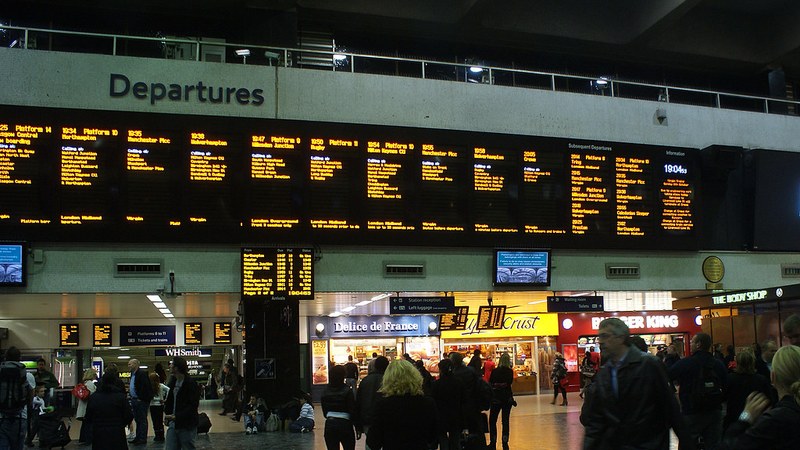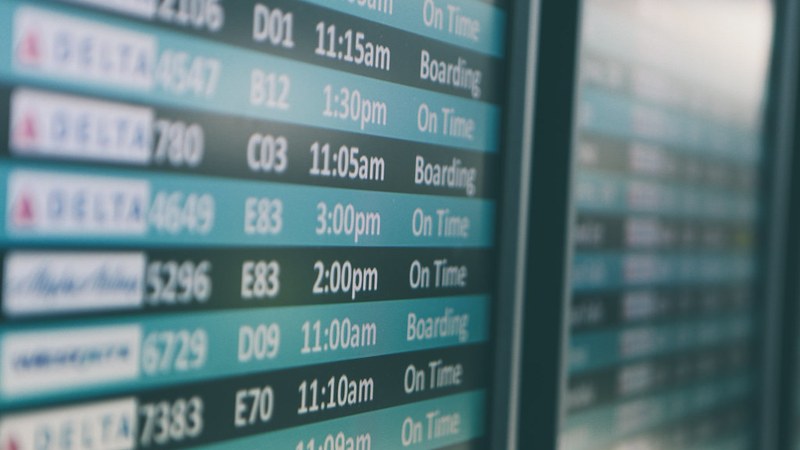
The Federal Aviation Administration (FAA) ordered a nationwide ground stop at 3:36 p.m. EST on November 13, 2026, halting air traffic across the United States while over 3,500 planes were airborne. The stoppage lasted more than four hours until approximately 8:20 p.m. EST, during which 9,159 flights were canceled and 7,190 delayed, according to flight tracking service FlightAware. On November 14, around 5,000 flights were canceled and 5,300 delayed as airlines attempted to recover flight schedules. Major airports affected include Boston, Atlanta, Miami, Pittsburgh, New York City, Los Angeles, and Baltimore.
Cause of System Disruption
The disruption stemmed from a failure in the legacy
air traffic control infrastructure during routine maintenance that involved replacing copper wiring with fiber optic cables. An L3Harris contractor’s router replacement at a remote FAA facility caused the Cisco 600 series routers—manufactured between 2001 and 2006—to flood one another with over 1,000 logon attempts every four to five seconds, overwhelming systems. The router instability lasted approximately 45 minutes and spread to 17 FAA facilities before the ground stop was implemented. FAA officials emphasized the failure was due to aging hardware and found no evidence of cyberattack or artificial intelligence interference.
Official Responses and Investigations
Transportation Secretary Sean Duffy confirmed full resumption of operations by
late November 14, stating that it was safe to fly and thanking aviation professionals and passengers for their patience. FAA Administrator Bryan Bedford supported the ground stop as a precautionary measure, calling it routine maintenance on an “incredibly old air traffic control system” currently undergoing modernization. L3Harris, the company owning the affected infrastructure, expressed cooperation with the FAA investigation and highlighted ongoing system modernization efforts. Homeland Security Secretary Markwayne Mullin confirmed no indication of cyberattack involvement in the disruption.
Traveler Impact and Airline Responses
The ground stop led to widespread cancellations and delays, leaving passengers stranded across U.S. airports. Airlines such as Delta, American Airlines,
and Southwest Airlines offered flexible rebooking and cancellation policies. Delta warned of continued delays while repositioning crews and aircraft, American urged ongoing flight status monitoring due to schedule recovery efforts, and Southwest implemented waivers allowing penalty-free cancellations and rescheduling. The disruption notably affected hub operations at major U.S. airports, with ongoing service impairments into November 14.
Air Traffic Control Modernization Efforts
The FAA is pursuing extensive modernization of the U.S. national airspace system and has secured a $12.5 billion down payment toward infrastructure upgrades, part of a $30 billion federal funding request. Approximately 70% of legacy copper wiring has been replaced with fiber optic cables
in recent years. Transportation Secretary Duffy emphasized the need for additional funding, noting that the ground stop revealed vulnerabilities in the aging system. Prior nationwide ground stops occurred only after 9/11 and a January 2023 computer malfunction, making the November 2026 event the third of its kind in over two decades.