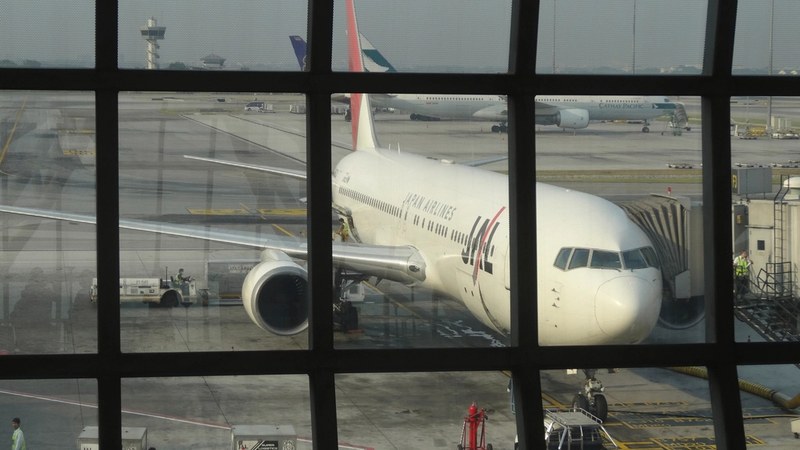
More than 100 flights were cancelled across Canada on Saturday, November 14, 2026, following a nationwide ground stop issued by the U.S. Federal Aviation Administration (FAA) on Friday that halted all flights departing from the United States for approximately five hours.
The ground stop triggered significant disruptions for Canadian U.S.-bound flights, particularly at Toronto Pearson International Airport, where 143 U.S.-bound flights were cancelled on Friday and 63 on Saturday. Air Canada cancelled around 250 flights on Friday, impacting approximately 27,000 passengers, according to airline spokesperson Yasmine Mehdi.
Passenger Experiences Amid Disruptions
Passengers were left stranded in airports or aboard grounded aircraft throughout the delay.
Toronto resident John Jacques experienced a journey lasting over 24 hours after his Brisbane-to-Toronto flight connecting through Dallas was significantly delayed. He spent 16 hours on a plane awaiting takeoff clearance and had further delays in Dallas before continuing to Toronto.
At Toronto Pearson, passenger Maggie Sepulveda endured overnight stranding and paid more than $250 in unexpected costs for accommodation and food due to multiple flight changes. Similarly, Calgary International Airport passengers faced overnight delays when flights to U.S. destinations, including Denver, were rescheduled for the following morning, as reported by stranded traveler Naji Zuain.
Airlines Respond with Additional Flights and Policy Adjustments
In response, Air Canada added
extra flights to accommodate travellers delayed by the disruption and offered free flight changes. WestJet and Porter airlines also waived change fees for passengers affected by cancellations and delays.
Cause of the Ground Stop Identified as Faulty FAA Router Installation
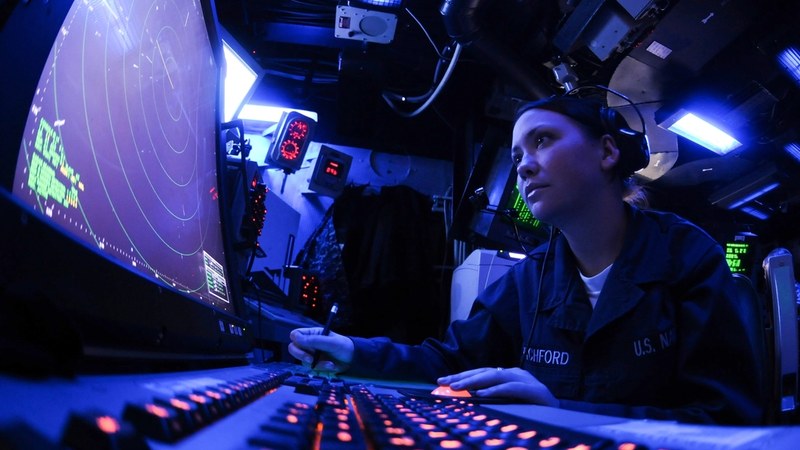
The FAA’s nationwide ground stop resulted from technical issues caused by a new router installed by the contractor L3Harris at a remote facility. The router flooded other routers within the U.S. air traffic control system with erroneous data, disrupting radar feeds and communication channels with aircraft, according to U.S. Transportation Secretary Sean Duffy.
Canadian Air Traffic Control Unaffected but Impact Persists
Canadian air traffic control systems remained fully operational during and after the ground stop. However, Canadian airlines and
airports continued to face cancellations and delays on November 14 as aircraft and crews were out of position after the U.S. suspension.
Air Canada spokesperson Yasmine Mehdi described the situation as a “significant disruption” with ongoing effects carrying into Saturday. FAA Administrator Bryan Bedford stated on November 14 that the U.S. air travel schedule was expected to return to normal by the end of Sunday, November 15, 2026.