On November 13, 2026, the Federal Aviation Administration (FAA) implemented a nationwide ground stop lasting over four hours due to failure of its aging telecommunications system during a network upgrade. The stoppage, lifted shortly before 7:30 p.m. local time, caused 6,532 flight cancellations and delays across 8,184 flights nationwide on November 14. The disruption particularly affected major U.S. airports including Chicago O’Hare International Airport, Chicago Midway International Airport, and several New York-area airports.
Impact at Chicago Airports and Passenger Experiences
The fallout at Chicago’s airports was severe with 605 flights canceled at O’Hare and 72 at Midway by mid-afternoon on November 14. Average delays at O’Hare reached
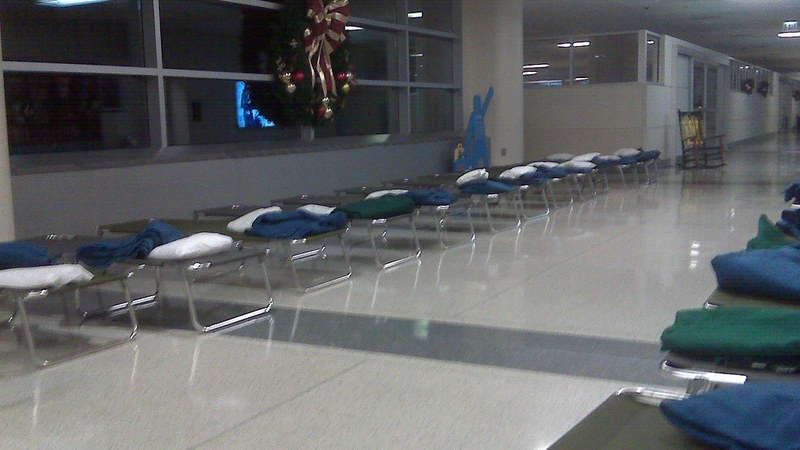
28 minutes, while Midway delays averaged 23 minutes and increased to 65 minutes late Saturday night. Passengers reported extended tarmac waits, including one who endured 6.5 hours on the ground after losing contact with the control tower mid-flight. Crowds remained large, with rental cars and nearby hotel rooms quickly sold out, leaving thousands stranded.
Traveler Gerard Hill described uncertainty surrounding the FAA’s explanation of the communications failure, as he and his wife awaited luggage while stranded at Chicago airports. Vivian Azeredo recounted her flight to Dublin losing tower contact mid-route and facing an extensive tarmac delay upon landing. Many others,
including Dan Throm traveling to an Ole Miss football game and passenger Stephanie Hugel, described exhaustion and lasting disruption to itineraries.
Technical Cause and Official Statements
The FAA ground stop stemmed from telecommunications equipment failure triggered during a system upgrade to outdated infrastructure. This overload caused instability in radar and voice communications across multiple Air Route Traffic Control Centers, responsible for managing high-altitude aircraft. Transportation Secretary Sean Duffy denied any cyberattack, attributing the failure to an FAA system that “didn’t meet the moment.” Homeland Security Secretary Markwayne Mullin also found no indication of a cyber threat, signaling a mechanical malfunction instead.
University of Illinois expert
Dr. Sheldon Jacobson noted the FAA system contains multiple safety layers and that failure of one can severely disrupt nationwide operations. The FAA called the ground stop a precautionary measure responding to the telecommunications outage. JetBlue Airways canceled all remaining flights on November 13, excluding European routes, and further Saturday flights to realign crews and aircraft.
Traveler and Airline Impacts Including Event Rescheduling
The FAA ground stop left thousands of passengers stranded, creating large crowds and long waits at airports. Planes were parked on runways awaiting gates, intensifying delays. Airlines scrambled to rebook and recover operational capacity. The ripple effect extended internationally, with Mexico’s Federal Civil Aviation
Agency imposing temporary flight restrictions and Air Canada canceling flights between Canada and the U.S., though Canadian aviation systems remained unaffected.
The disruption forced rescheduling of college football games, including the Mississippi at Oklahoma matchup moved from Saturday to Sunday. Major conferences adjusted kickoff times and some teams chose bus travel to avoid further air delays.
Recovery Timeline and Historical Context
The FAA expected gradual recovery of normal flight operations through the weekend, with full return to schedule not anticipated until late November 15. The ground stop was the second nationwide halt since the September 11, 2001 terrorist attacks and followed a rare January 2023
stop related to pilot alert systems. Officials reiterated the need for FAA system upgrades and increased funding to address the aging air traffic control infrastructure responsible for this rare but impactful event.