The Federal Aviation Administration (FAA) issued a nationwide ground stop on November 13, 2026, at 3:36 p.m. ET due to overloaded air traffic control communication systems. At the time, around 3,500 planes were airborne over the United States, and the stoppage lasted over four hours before being lifted at approximately 8:20 p.m. ET. According to flight tracking firm FlightAware, more than 9,159 flights were canceled and 7,190 delayed on November 13, with over 5,000 cancellations and approximately 5,300 delays reported on the following day as airlines worked to restore operations.
The outage resulted from a system instability affecting 17 FAA
facilities nationwide, traced to a router flooding other routers and causing excessive login attempts—approximately 1,000 every 4 to 5 seconds. This router, a Cisco 600 series model manufactured between 2001 and 2006, was being replaced by a contractor from L3Harris at a remote FAA location as part of ongoing efforts to transition the system infrastructure from copper wire to fiber optic, of which about 70% had already been updated. The flooding incident lasted roughly 45 minutes, overwhelming the air traffic control system and prompting the FAA’s decision to issue the ground stop.
Officials Confirm Safety and Call for Increased Funding
FAA Administrator Bryan Bedford defended the precautionary ground
stop, stating there was zero evidence of cyberattack or malicious activity. He said normal flight operations should resume by Sunday night, November 15, 2026, and he stands behind the decision to halt flights “out of an abundance of caution.” U.S. Transportation Secretary Sean Duffy confirmed full operations had resumed as of November 14, thanking air traffic controllers, pilots, and airline staff for their professionalism. Duffy emphasized the cause was aging technology and called on Congress to approve additional funding to modernize the air traffic control system, referencing a $12.5 billion down payment previously secured and a new $30 billion request
for expanded upgrades. The contractor L3Harris has pledged full cooperation with the FAA investigation and expressed serious concern about the incident.
Flight Disruptions Continue as Airlines Work to Recover
Major U.S. airlines such as Delta Air Lines, American Airlines, and Southwest Airlines announced flexible rebooking and cancellation policies due to ongoing delays and cancellations following the ground stop. Delta warned of continued schedule adjustments as crews and aircraft were repositioned. American Airlines indicated lingering disruptions would persist while operations normalize. Southwest Airlines issued waivers to allow customers to cancel or reschedule flights without penalty. FAA officials forecast that up to 5,000 flights could still be canceled on November
14, with delays expected at airports nationwide through the weekend.
Major Airports Affected Across the United States
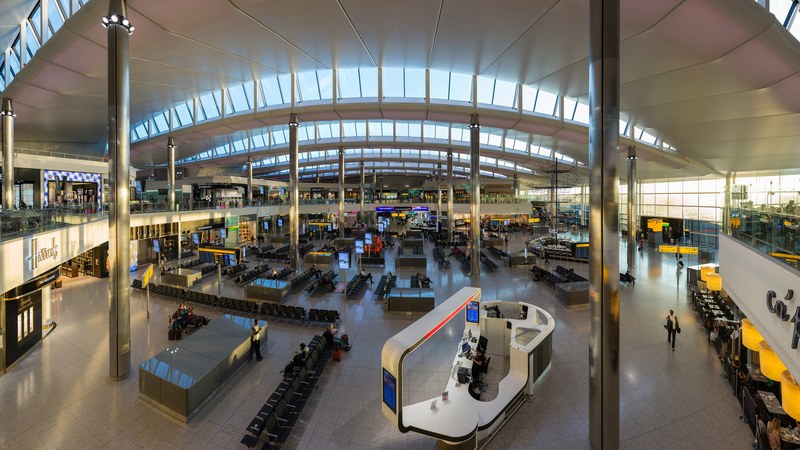
The ground stop and resulting flight cancellations and delays impacted key airports in Newark, John F. Kennedy, LaGuardia, Chicago O’Hare, Chicago Midway, Boston, Atlanta, Miami, Pittsburgh, New York City, Los Angeles, and Baltimore. While most domestic flights were halted during the stoppage, some flights departing U.S. coastal airports bound for Europe or Pacific destinations were exempted. Canadian carrier Air Canada canceled flights between the U.S. and Canada for the rest of the evening on November 13, citing the FAA ground stop. The disruptions extended beyond commercial flights, with private aviation
also affected as part of about 3,000 non-commercial flights canceled that day.