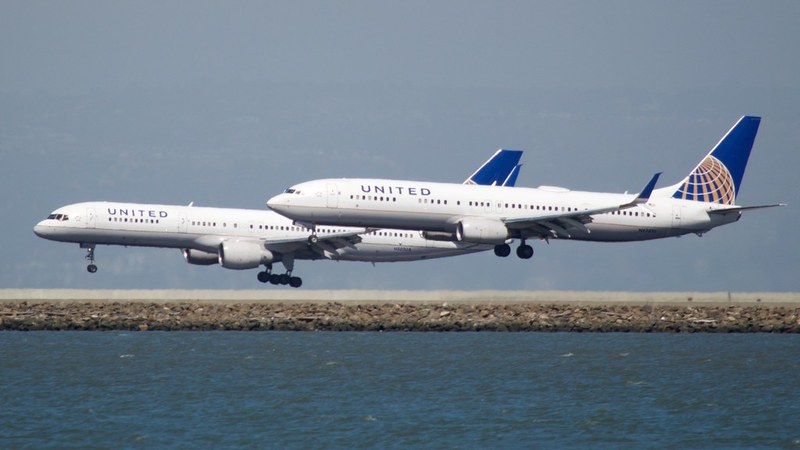
The Federal Aviation Administration imposed a ground stop at a major Northeast US hub on September 3, 2026, halting most departures and arrivals for several hours. This action caused widespread flight cancellations and delays across the United States and impacted connecting flights internationally.
Weather and Traffic Management Cause Ground Stop at Northeast Hub
Convective thunderstorms combined with severe airspace congestion prompted the FAA’s Air Traffic Control System Command Center to implement ground stop and ground delay programs on September 3, 2026. The measures targeted major airports in the Northeast corridor, including New York LaGuardia, John F. Kennedy, Newark Liberty, Philadelphia, and Teterboro. These combined restrictions blocked key arrival and departure
routes, preventing aircraft from entering saturated sectors until conditions improved.
FAA advisories referenced staffing pressures alongside weather and traffic congestion as factors tightening operating constraints. The affected Northeast hub transitioned from heavy delays to a near-complete suspension of scheduled flights for several hours, according to FAA traffic management data.
Flight Operations Disrupted Across US and International Routes
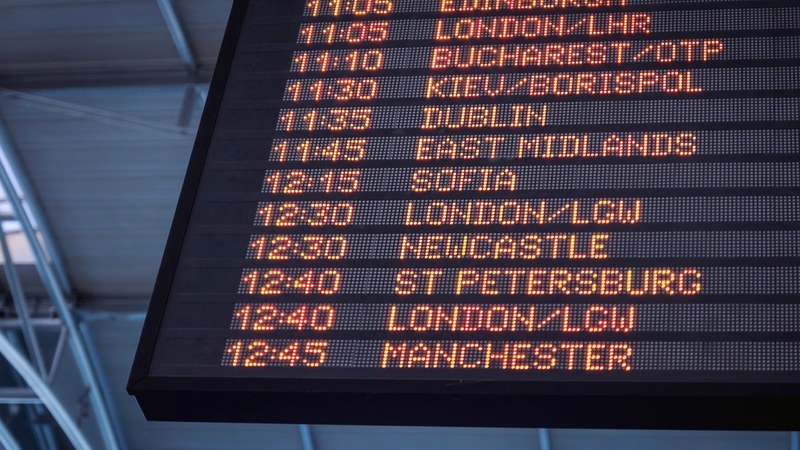
Flight-status data showed that the ground stop and associated delays drastically reduced takeoffs and landings at the affected hub. Airlines preemptively cut rotations to avoid aircraft and crew stranding, which expanded cancellations and delays beyond the restricted airspace. Severe disruptions affected long-haul flights connecting North America with Europe, Latin America, and
Asia.
Some widebody aircraft assigned to long-haul routes were temporarily redeployed to clear backlogs on domestic services after the ground stop lifted, reducing immediate long-haul capacity. Flight frequencies and scheduled routes on international services remained irregular for 24 to 48 hours following the event.
Airports outside the Northeast—including Chicago, Dallas, and Atlanta—absorbed rerouted passengers as missed connections forced airlines to rebook travelers on alternate routes. Hundreds of affected flights showed cancellations or heavy delays on global routes linked through the Northeast corridor on the day of the disruption.
Passenger Impacts: Missed Connections and Rebookings
Passengers traveling through the affected hub faced extensive missed connections as delay
cascades pushed many beyond scheduled transfer windows. Airlines waived change fees and issued rebooking notices via digital and email channels. Several travelers reported sudden cancellations at departure points distant from the Northeast hub, often receiving updates minutes before planned departures.
Airport customer service centers and call lines experienced surging demand, causing long queues. Crowding near gates and check-in counters increased as airport staff worked to manage passenger needs amid extensive disruptions.
Regional and Global Air Traffic Implications
The event highlighted how congestion at a single major hub in the Northeast can disrupt global air traffic flows. FAA traffic monitoring placed the Northeast region at the top
of national disruption rankings on September 3, 2026. Even after the ground stop was lifted, extended arrival and departure metering continued, signaling ongoing capacity constraints.
Travel experts advise travelers on itineraries involving major US hubs allow additional buffer time, particularly for tight long-haul connections or complex onward routes. Maintaining access to updated airline communication and FAA status tools can help passengers respond rapidly to sudden network restrictions.