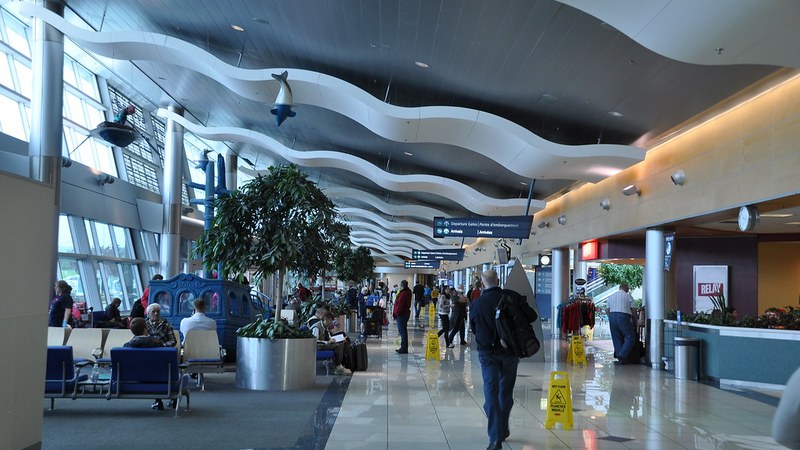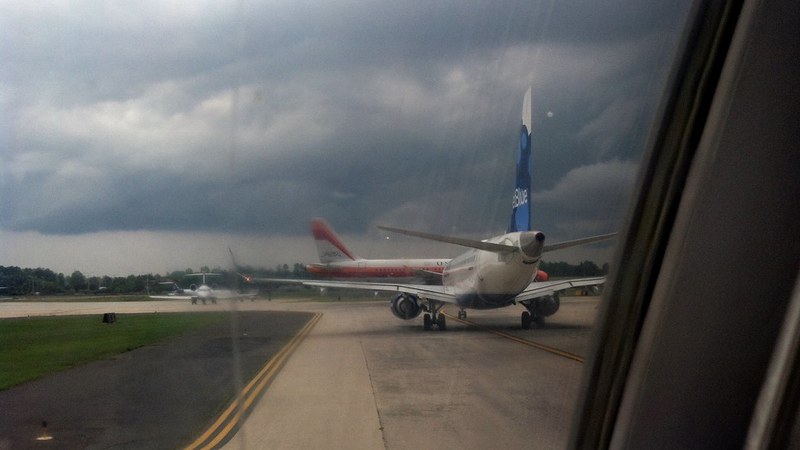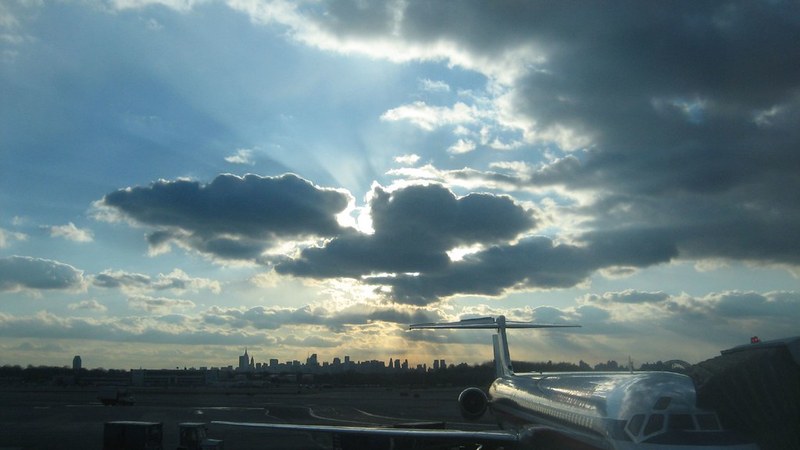
The Federal Aviation Administration (FAA) issued ground stops at 10 airports across the United States on September 3, 2026, halting all departures at affected locations due to severe thunderstorms disrupting the Northeast corridor. Ground stops prevent any flight from leaving the airport until further notice, which is a stricter restriction compared to ground delays, where flights are assigned controlled departure times but still operate. This action affected major hubs including LaGuardia Airport in New York.
Delays at Major Northeast Airports Persist for Third Consecutive Day
Severe thunderstorms caused sustained disruption across the Northeast U.S. for three consecutive days starting September 1, 2026. LaGuardia Airport experienced average ground delays of 45
minutes during the storm activity on September 3. Newark Airport reported average delays reaching two hours at peak times, while Boston Logan International Airport led the nation with 19 delayed flights during the thunderstorms. Ground-delay programs were also active at Newark, John F. Kennedy International Airport (JFK), and LaGuardia, indicating widespread impact throughout New York area airports.
Persistent Severe Thunderstorms Create Extensive Air Traffic Restrictions
The FAA attributed the widespread flight disruptions to a rare multiday severe thunderstorm event affecting the Northeast and Mid-Atlantic regions. These thunderstorms generated air traffic constraints extending beyond localized areas, impacting flight operations not only in New York and Boston but also in
Philadelphia and Washington. Such weather conditions reduce the capacity of the entire air traffic system nationwide. This pattern follows the recent landfall of Tropical Storm Edouard in Louisiana with 60 mph winds in late August and reflects an increasing trend of summer and early fall weather-related aviation disruptions.
Travelers Face Cancellations and Delays Amid Labor Day Weekend Travel Surge
The timing of these severe weather disruptions coincided with the Labor Day weekend, a peak period for passenger travel. Airlines responded by issuing travel waivers, allowing passengers to rebook flights without penalties. Ground stops and delays caused cascading cancellations as stranded crews and aircraft could not reach assigned destinations, prolonging delays even
after weather conditions improved. Every major carrier reported ongoing disruption during this multi-day severe weather event at Northeast airports.