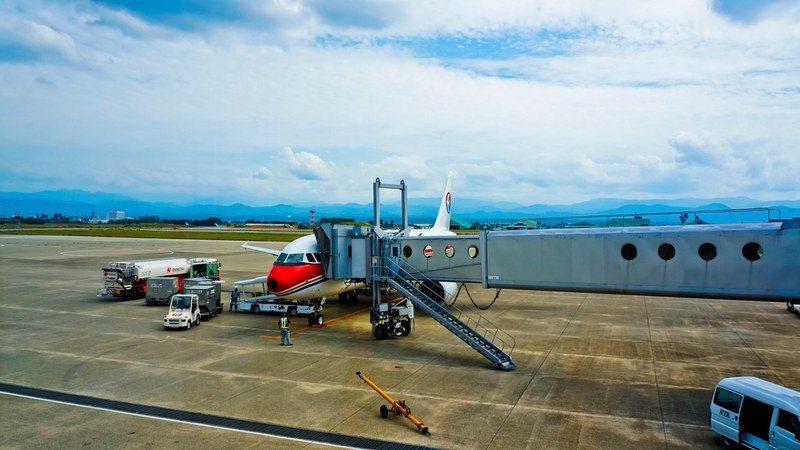
The Federal Aviation Administration (FAA) issued ground stops at 10 airports across the United States on September 3, 2026, including LaGuardia Airport in New York. Ground stops prevent all departures from affected airports and are more severe than ground delay programs, which schedule flights to depart at staggered times.
Delays at LaGuardia, Newark, and Boston Logan
LaGuardia Airport recorded average ground delays of 45 minutes due to thunderstorms. Newark Liberty International Airport faced peak delays averaging two hours, while Boston Logan Airport reported 19-minute delays amid the severe weather. Ground-delay programs were active at New York-area airports Newark, LaGuardia, and John F. Kennedy Airport (JFK) during this
period.
Northeast Corridor Weather Impact
The severe thunderstorms disrupted air traffic over the Northeast corridor for three consecutive days, from September 1 through September 3, 2026. The weather affected major airports and airspace in New York, Boston, Philadelphia, and Washington, leading to system-wide air traffic restrictions.
Operational and Passenger Impacts During Labor Day Weekend
The ground stops and resulting delays during the Labor Day weekend compounded operational challenges when passenger volumes are typically high. Airlines responded by issuing travel waivers that allowed affected passengers to rebook flights or change travel dates without penalty. The cascading effects of ground stops at multiple hubs stranded crews and aircraft, aggravating cancellations and delays reported by
all major carriers.
Meteorological Context and FAA Procedures
Severe thunderstorms forming a rare multiday storm event caused persistent disruptions across the Northeast. Recent tropical storm activity, including Tropical Storm Edouard in late August, reflects a pattern of increasing summer and early fall severe weather affecting East Coast aviation. The FAA explained that ground stops are typically used for short, intense weather events when the Command Center has insufficient data to implement comprehensive Ground Delay Programs, which are less restrictive than ground stops.