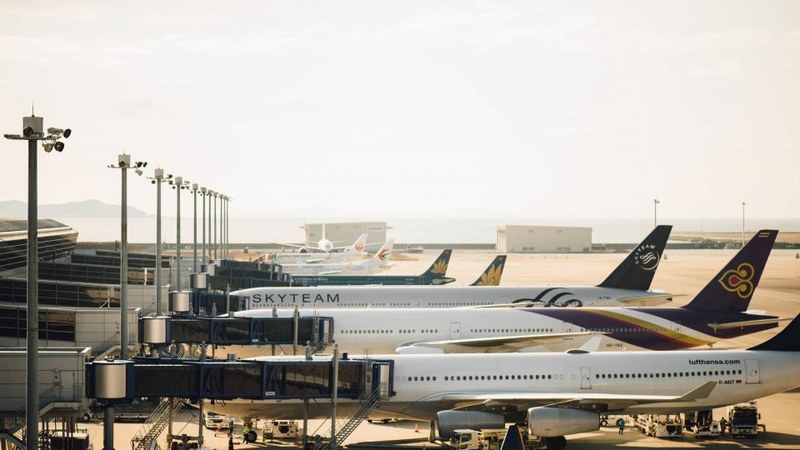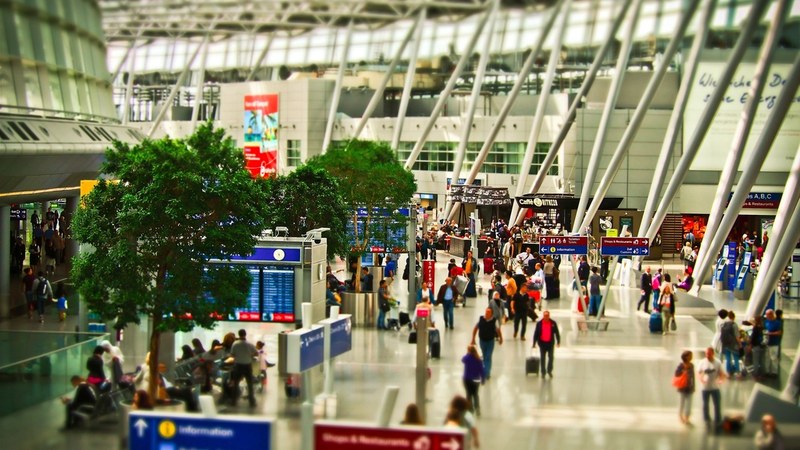
On July 12, 2026, the Federal Aviation Administration (FAA) implemented a ground stop at Hartsfield-Jackson Atlanta International Airport, suspending all departures and sharply limiting arrivals at the busiest passenger hub in the United States. This pause was enacted due to air traffic control or safety constraints that reduced the airport’s capacity to handle scheduled flights.
Scale of Flight Disruptions at Atlanta Airport
The ground stop immediately resulted in widespread flight cancellations and delays at Atlanta, with the airport leading the nation in both categories during the disruption. Flight-tracking data from past comparable events indicate that hundreds of flights linked to Atlanta have been canceled in similar stoppages,
while many others experienced delays exceeding an hour.
Contributing Causes of the FAA Ground Stop
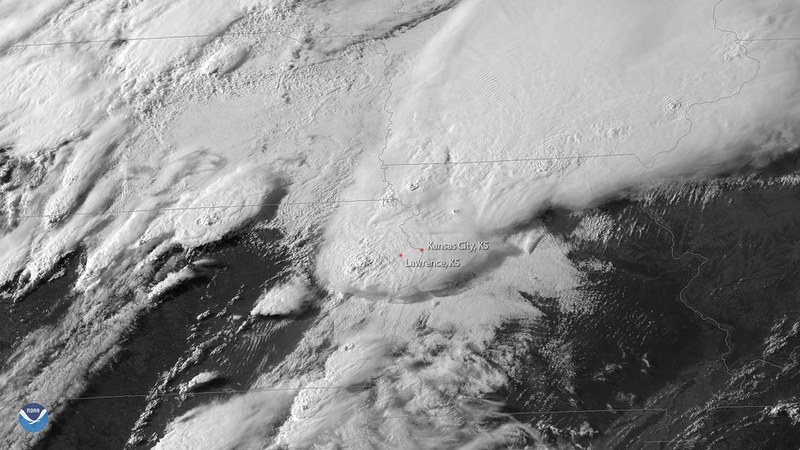
FAA advisories typically associate ground stops at Atlanta with multiple factors such as convective thunderstorms, low visibility, and staffing or flow-management issues. Severe weather phenomena including hail, lightning, and rapid storm formation can force operations near standstill, sometimes even evacuating control tower personnel temporarily. These conditions diminish arrival and departure rates, necessitating the imposed restrictions.
Ripple Effects Across U.S. Air Transport Network
Atlanta airport functions as the primary connecting hub for one of the nation’s largest airlines and several key carriers, making disruptions at the airport particularly impactful beyond the local area. The traffic slowdown extends to major hubs
like New York, Chicago, Dallas, and Charlotte, as well as numerous regional airports across the Southeast, Northeast, and Midwest. These knock-on effects cause widespread flight cancellations even at airports where weather remains clear.
Passenger Disruptions and Airline Recovery Challenges
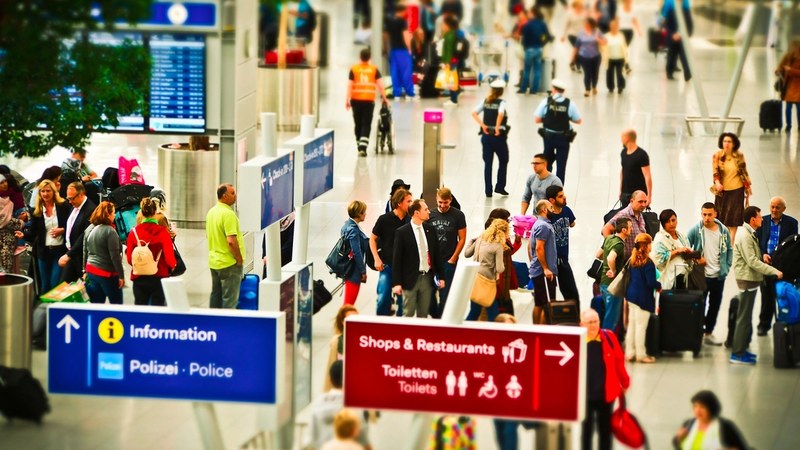
The ground stop and its aftermath create significant difficulties for travelers. With many flights operating near capacity during peak periods, rebooking options are limited. Passengers face longer delays, last-minute schedule changes, and increased likelihood of overnight airport stays. Airlines require several days to fully recover schedules at Atlanta, prioritizing core trunk routes first, which delays restoration of service to smaller markets. Rolling delays and scattered cancellations can
persist even after FAA restrictions are lifted.
Travelers connecting through Atlanta are advised to consider longer layovers or earlier departures to buffer against cascading delays caused by the hub’s disruptions.
Atlanta’s Role and System Vulnerabilities
Hartsfield-Jackson Atlanta International Airport is the world’s busiest airport by passenger volume and a critical node for domestic and international flights, including routes to Europe and Latin America. Its congestion and operational vulnerabilities highlight systemic challenges in managing large, tightly scheduled hubs amid increasing traffic, severe weather events, and dependency on complex digital infrastructure.
Past incidents, such as the July 2024 CrowdStrike-related IT outage, have demonstrated how technology failures can
trigger mass cancellations exceeding a thousand flights linked to Atlanta in a single day, emphasizing the airport’s role in national network resilience.