Standing floodwaters shut the Interstate 285 westbound ramp to Interstate 85 southbound near Hartsfield-Jackson Atlanta International Airport on September 11, 2026, prompting closure by the Georgia Department of Transportation. Flooding also affected GA 400 near Northridge Road in Sandy Springs and Courtney Drive near Finley Drive in Clayton County. The National Weather Service extended flash flood warnings across multiple metro Atlanta counties including Clayton, DeKalb, Fulton, Carroll, Douglas, Haralson, and Paulding until 10:30 p.m. Local rainfall totals ranged from 1.5 to 4 inches in several counties by mid-afternoon, driven by slow-moving thunderstorms fueled by extreme moisture and heat indices in
the upper 90s to low 100s.
In response to the severe weather, the Federal Aviation Administration imposed a ground stop at Hartsfield-Jackson Atlanta International Airport, initially starting prior to 4:45 p.m. and later extended to 5:45 p.m. The ground stop halted all Atlanta-bound flights departing from 10 major air traffic control centers across the eastern, central, and southern United States. Afterward, the FAA implemented a ground delay program continuing until 9:59 p.m. on September 11, with average arrival delays reported at 107 minutes and some flights experiencing delays as long as 271 minutes. Departure delays during the ground stop averaged
around 45 minutes early on.
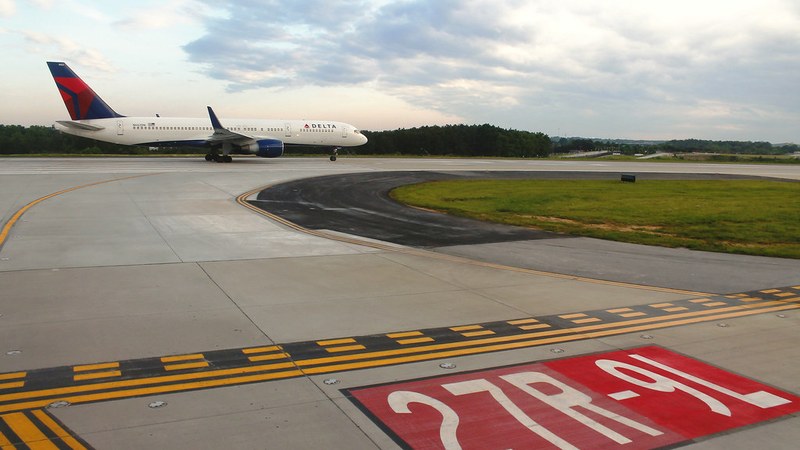
Hartsfield-Jackson maintained its status as the world’s busiest passenger airport in 2025, accommodating 106.3 million travelers and offering 63.1 million scheduled flight seats. Its 4,700-acre footprint and high volume of flights contribute to extensive ripple effects when incoming aircraft are held at regional air traffic centers, amplifying delay impacts during weather disruptions such as these storms.
Travelers faced significant disruptions on September 11, 2026, as flooding and ground stop procedures delayed flights by up to four and a half hours. The flood-related highway closures compounded difficulties, impeding access to and from the airport. These conditions
hindered traffic flow near the busiest airport in the world, exacerbating transportation challenges amid the severe thunderstorms.
The Georgia Department of Transportation and National Weather Service cautioned motorists against attempting to cross flooded roads. Officials emphasized that as little as 12 inches of moving water can carry away vehicles, urging adherence to barricades and flood warnings. These alerts came concurrent with a public safety memorial service in DeKalb County marking the 25th anniversary of the September 11 attacks, where emergency personnel monitored evolving weather threats while attending the event.
Severe weather incidents have repeatedly affected Metro Atlanta throughout 2026. Days
before the September 11 flooding, storms caused power outages for over 50,000 customers and triggered multiple ground stops at Hartsfield-Jackson during the summer months, demonstrating a pattern of meteorological disruption impacting airport and regional transportation operations.