Denver International Airport experienced severe flight disruptions on August 3, 2026, as a cold front moved in following a record heat wave that saw temperatures spike to 102 degrees Fahrenheit earlier that day. The sudden shift from extreme heat to cold caused unstable atmospheric conditions resulting in high winds and severe turbulence throughout the evening.
FAA Ground Stop Forces Diversions, Delays, and Cancellations
The Federal Aviation Administration imposed a ground stop at Denver International Airport, grounding a total of 29 flights that were subsequently diverted to Colorado Springs International Airport. Overall, 3% of Denver’s total flight traffic was canceled that day. Of the remaining flights, 40% of outbound
departures and 32% of incoming arrivals were delayed due to the severe weather conditions that disrupted normal operations.
Passenger Impact and Injuries from Turbulence
Passengers endured significant turbulence on flights approaching Denver, with several reporting injuries severe enough to require medical assistance. Five passengers received treatment after turbulence incidents on inbound flights, and one individual was transported to a nearby hospital in stable condition. Delay times escalated throughout the night; some flights originally scheduled to depart at 6 PM faced extended multiple postponements, with new departures pushed back to midnight in several cases.
Weather Factors Behind Flight Disruptions
The severe weather stemmed from a rapid temperature drop of 50 to 60
degrees overnight, combined with wind gusts up to 40 MPH. These conditions generated widespread unstable air over Colorado’s Front Range. Additionally, drifting smoke from wildfires in the Pacific Northwest degraded air quality and visibility in the Denver area, compounding operational challenges at the airport.
Airlines Affected and Flight Repositioning
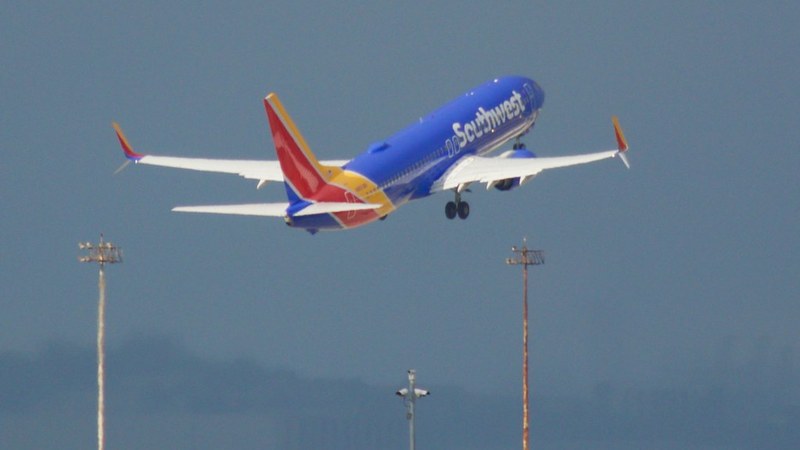
Southwest Airlines, United Airlines, and SkyWest Airlines were among carriers with flights diverted from Denver to Colorado Springs. Diversions extended to other regional airports including Hayden. Subsequent aircraft repositioning efforts involved multiple flights returning from Colorado Springs to Denver later that night, forming a continuous stream of diverted flights being routed back to Denver International Airport.
Ongoing Turbulence Moving Northeast
Following the weather event, the turbulent air mass shifted northeast toward the Great Lakes and eventually the Northeastern United States. Passengers traveling through eastern New York and New England on August 4, 2026, encountered continuing unstable flying conditions as the afternoon progressed.
Passenger Reports Detail Severe Turbulence and Delays
Passengers described the turbulence at Denver as some of the worst experienced, with one flight diverting to Hayden Airport and remaining stuck on board due to harsh conditions. Multiple delays plagued travelers whose connecting flights departed before their arrivals, leading to extended waits and several schedule changes well into the night.
According to reports from passengers on social
media forums, flight crews made announcements aimed at maintaining calm during turbulent ascents, but the cabins remained unsettled with audible reactions. Another passenger noted ongoing delays with a series of canceled and rescheduled flights originating from Denver that extended their travel into the early morning hours.