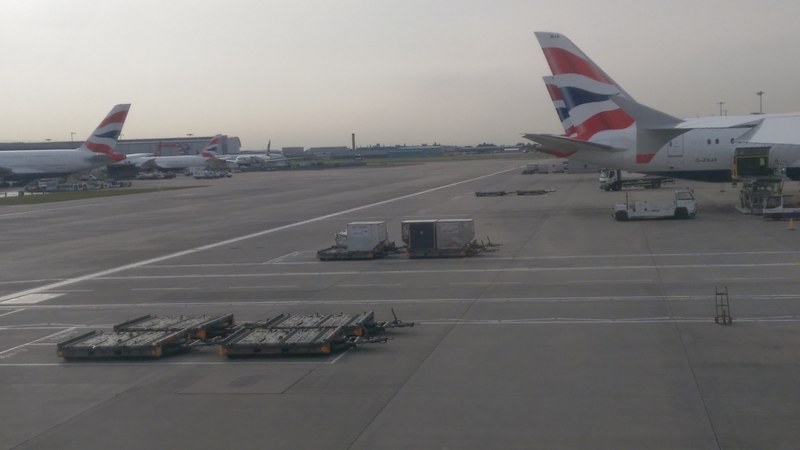
The Federal Aviation Administration (FAA) lifted a nationwide ground stop at approximately 8:30 p.m. Eastern Time on November 13, 2026, more than four hours after it began at 3:36 p.m. ET. The stoppage was caused by instability in radar and communications systems related to overloaded switches and routers in the FAA’s aging analog air traffic control infrastructure during a telecommunications network upgrade.
More than 6,500 flights were canceled and 8,184 delayed nationwide, with major hubs experiencing significant disruption. Chicago O’Hare International Airport had 605 cancellations and an average delay of 28 minutes, while Chicago Midway International Airport reported 72 cancellations
and average delays of 23 minutes as of midday November 14. Midway’s delays increased to 65 minutes Saturday night, with at least three flights canceled Sunday morning.
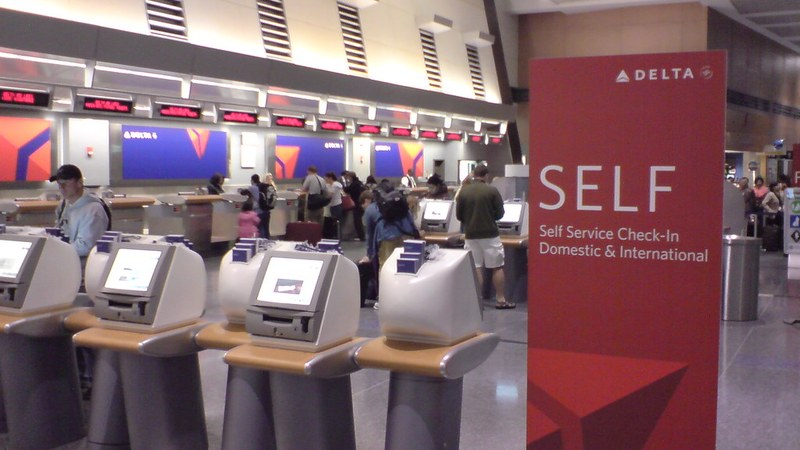
American Airlines prioritized operating flights to non-hub destinations and international routes following the lift of the ground stop, but warned of residual cancellations and delays into the weekend. United Airlines canceled many Friday evening flights but confirmed some service continued after the FAA lifted the ground stop. Delta Airlines permitted customers to change flights without additional fees and worked to restore normal operations swiftly.
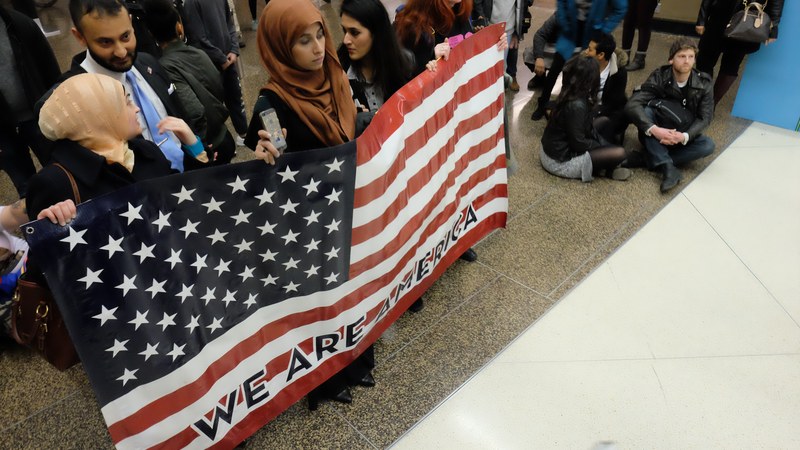
The disruption stranded thousands of passengers across the United
States, forcing them to seek alternate transportation including rental cars, trains, and buses. The impact extended to major airports such as Philadelphia International, Boston Logan, and Michigan airports including Detroit, Flint, and Grand Rapids. Passengers faced long waits, missed connections, and difficulties securing hotel accommodations as airlines struggled to rebook flights amid crew availability and aircraft positioning challenges.
Transportation Secretary Sean Duffy attributed the outage to the FAA’s legacy analog air traffic control system becoming overloaded during a telecommunications network upgrade. He said, “What we have is an incredibly old air traffic control system. They started to give us inconsistency
in the data from those routers, and because of that we shut the system down.” Homeland Security Secretary Markwayne Mullin reassured the public there was no safety threat, stating, “There is no prior indication as of yet that this was nefarious attack against us.” President Donald Trump was kept informed and declared the event a national emergency.
The FAA confirmed critical flights such as medevac, life-saving cargo, and law enforcement missions were permitted to continue during the ground stop. More modern air traffic control centers using digital Internet Protocol systems did not experience failures, underscoring the FAA’s request for an
increased funding level from $30 billion to $50 billion to upgrade the national air traffic control infrastructure.
International air traffic to Canada and Mexico also experienced related effects, while European routes resumed earlier because their air traffic control systems use different technology. Exceptions allowed critical flights to operate while the nationwide stop was in effect.
Recovery of the air travel schedule is expected by late Sunday, November 15, as airline crews and aircraft return to proper positioning. Operational challenges are anticipated to persist into the weekend due to delayed aircraft and crew duty limits.