The Federal Aviation Administration (FAA) nationwide ground stop on November 14, 2026, lasting about five hours, led to the cancellation of more than 100 Canadian flights on Saturday and caused widespread disruption at major Canadian airports. The stoppage of all U.S. departing flights triggered cascading cancellations and delays across Canada. Air Canada cancelled roughly 250 flights on Friday, impacting about 27,000 passengers, and added extra flights to assist stranded travelers. WestJet and Porter also offered free flight changes following the disruption.
Flight Cancellations at Major Canadian Airports
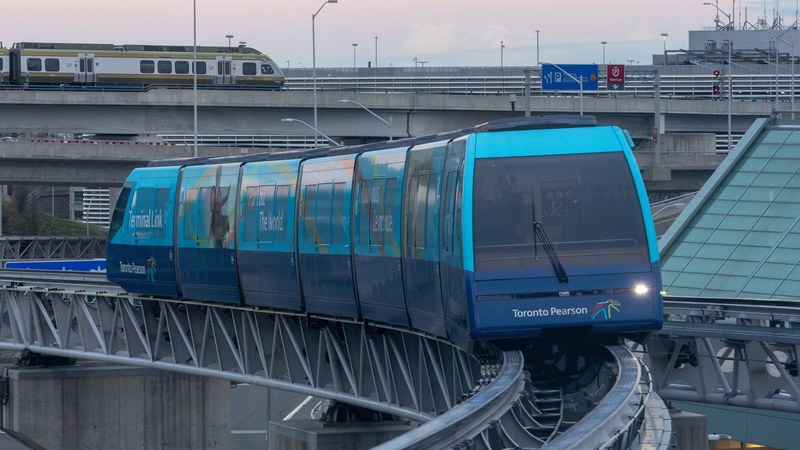
Toronto Pearson International Airport recorded 143 U.S.-bound flight cancellations on Friday, with an additional 63 cancellations on Saturday. Montreal-Trudeau,
Ottawa, Vancouver, and Calgary International Airports also experienced dozens of cancellations. Despite Canadian air traffic control systems remaining operational during the U.S. disruption, the interconnectedness with U.S. airspace resulted in significant delays and cancellations in Canadian airports.
Passenger Delays and Additional Costs
Travelers faced lengthy waits, rebookings, and unexpected expenses. John Jacques, a Toronto resident delayed during his Brisbane to Dallas to Toronto route, experienced over 24 hours of travel due to the disruption. He described waiting 16 hours on a plane and delayed connections, noting the unusual length of the journey. Maggie Sepulveda, stranded at Toronto Pearson, incurred more than $250 in hotel and
food costs after multiple flight changes. She expressed hope to depart soon but expected no reimbursement for her expenses.
Technical Cause of the FAA Ground Stop
U.S. Transportation Secretary Sean Duffy attributed the nationwide ground stop to FAA contractor L3Harris installing a new router at a remote facility. The replaced router caused a “flooding” of other routers within the U.S. air traffic control system, disrupting communications and scrambling radar feeds. This incident resulted in the longest nationwide flight shutdown in the U.S. since September 11, 2001.
Official Responses and Recovery Timeline
Air Canada spokesperson Yasmine Mehdi characterized the incident as a “significant disruption,” noting ongoing cancellations as aircraft and crews remained out
of position across its network. FAA Administrator Bryan Bedford announced the U.S. air travel schedule was expected to normalize by the end of Sunday, November 15, 2026. Duffy confirmed the root cause but stated it was unclear whether the fault stemmed from incompetence or equipment failure. Passengers reported mixed messages about expense coverage, with airlines generally not reimbursing incurred costs related to the disruption.
Cross-Border Impact of the U.S. Air Traffic Control Outage
The U.S. FAA ground stop’s effects spread into Canada, illustrating the cross-border dependencies of North American airspace management. While Canadian air traffic control functioned normally, the halt of U.S. departures caused cascading cancellations and delays that
affected thousands of Canadian travelers. Airlines responded by increasing flight availability and offering flexible booking options. Authorities confirmed that full recovery to normal flight operations was expected by late Sunday, highlighting the scale of the disruption and its ongoing impact on transborder travel.