On September 21, 2026, a Verizon fiber-optic cable was accidentally cut during construction in New Jersey, severing a backup data feed for the Federal Aviation Administration (FAA). This disruption caused an equipment outage at the Terminal Radar Approach Control (TRACON) facility in Philadelphia, which manages air traffic for both Newark Liberty International Airport and Philadelphia International Airport.
Flight Cancellations and Delays Spread Across Regional Airports
The FAA imposed ground stops affecting flights bound for Newark, Philadelphia, LaGuardia, and John F. Kennedy International airports. By 6 p.m. on the same day, more than 600 flights at Newark had been canceled, representing over half the airport’s daily schedule. Nearly 100
Newark flights were delayed. Philadelphia International Airport experienced over 200 cancellations and more than 400 delays.
Flights into LaGuardia and JFK airports were initially halted but later resumed with residual delays. Over 100 flights destined for Newark were diverted to other airports such as Detroit Metropolitan Wayne County Airport and Washington Dulles International Airport, including long-haul international arrivals from countries like Iceland, Egypt, Greece, Spain, and France.
Airline Responses Include Travel Waivers and Staff Incentives
United Airlines, which operates its busiest international hub at Newark, waived change fees for affected passengers and offered extra pay to employees picking up trips at Newark to ease staffing shortages. The airline
also confirmed availability of commuter space to New York City. American Airlines, which has a hub at Philadelphia International Airport, similarly waived change fees and allowed customers to rebook flights out of alternate airports.
Cause and Official Statements on Outage
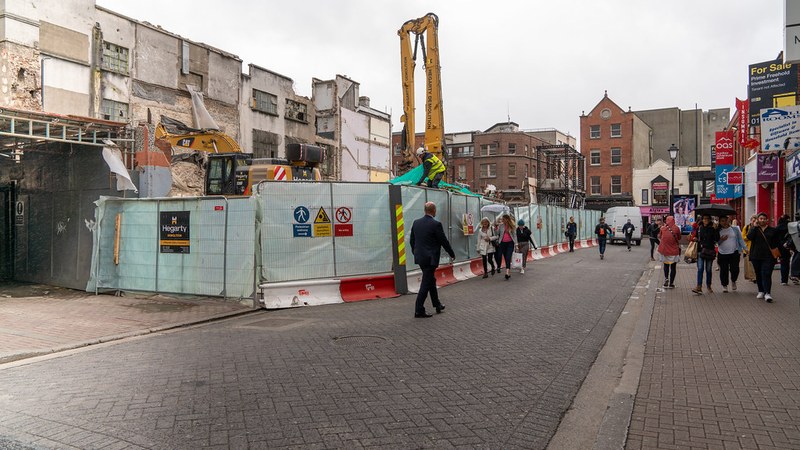
The outage began at a rail construction site between New Brunswick and North Brunswick, New Jersey, where a railroad construction crew unintentionally severed a Verizon fiber-optic cable about 10 feet from marked utilities. FAA Administrator Bryan Bedford explained that an initial circuit failure caused the system to switch to the backup fiber, where the break was discovered. This backup fiber failure resulted in loss of connectivity
to the Philadelphia TRACON facility responsible for approach traffic control at Newark and Philadelphia.
Verizon stated its facilities were fully functional until the cable was cut and that it bears no responsibility for the incident. NJ Transit said it is investigating the status of repairs and responsibility for utility markings at the site. Transportation Secretary Sean Duffy posted on X that repairs were underway and emphasized the need for additional funding to modernize aging infrastructure to prevent future incidents.
Operational and Passenger Impacts
The outage caused cascading ground stops and resulting delays across five airports: Newark Liberty International, Philadelphia International, JFK, LaGuardia, and New
Jersey’s Teterboro Airport. Flight delays reached up to 150 minutes. Among the diversions were a United flight from Berlin redirected to Detroit Metropolitan and an SAS flight from Stockholm diverted to Washington Dulles.
Hundreds of flights were canceled, delayed, or diverted with major interruptions persisting throughout the day. Passengers traveling into and out of the New York City metropolitan area faced significant disruptions due to the outage and subsequent FAA ground holds.
Background on FAA Equipment and Infrastructure
Aging air traffic control technology and equipment have been longstanding challenges for the FAA and airlines. In 2025, the U.S. government announced a multibillion-dollar plan to modernize the
nation’s air traffic control infrastructure. This incident reaffirms the vulnerability of current systems to infrastructure failures.
The FAA outage coincided with heightened air traffic demand hours before President Donald Trump and international leaders were scheduled to arrive in New York for the United Nations General Assembly.