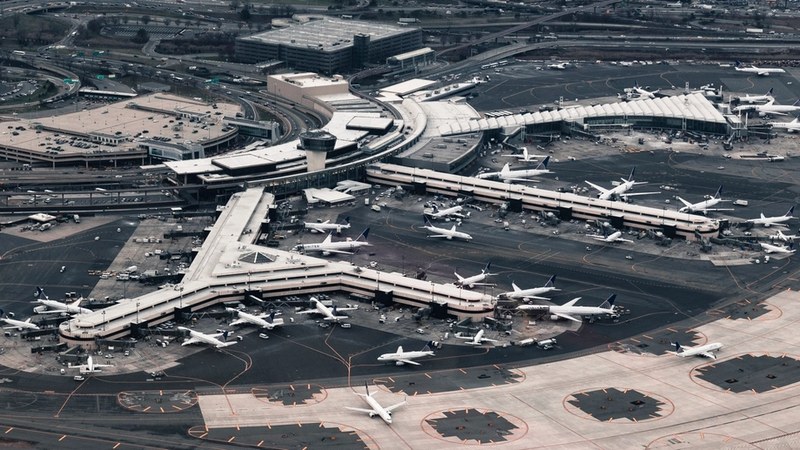
More than 500 flights were canceled and over 4,000 were delayed on July 16, 2026, affecting arrivals and departures at New York-area airports including John F. Kennedy International, LaGuardia, Newark Liberty International, and Philadelphia International Airports. The Federal Aviation Administration (FAA) implemented flight slowdowns to manage air traffic safely.
FAA Attributes Delays to Weather and Staffing Shortages
The FAA cited adverse weather conditions combined with staffing constraints at the air traffic control facility responsible for the four airports as the primary reasons for the disruptions. These factors compelled the agency to enforce reduced flight rates, which resulted in significant slowdowns of arrivals.
These measures include intermittent ground delays
and ground stops throughout the day and evening. Ground stops prevent flights from departing their origin airports until restrictions are lifted, while ground delays allow takeoffs but assign specific departure times to space out incoming flights and avoid congestion in the airspace.
Impact on Travelers at JFK, LaGuardia, Newark, and Philadelphia Airports
Ground stops mean some flights bound for the affected airports remain held at their starting points, unable to depart until lifted by the FAA. Meanwhile, under ground delay orders, flights do take off but under time-controlled conditions that delay their arrivals. These protocols help reduce airborne holding patterns and optimize traffic flow amid reduced staffing and challenging weather.
The combined effect has caused widespread flight disruptions, with thousands of passengers expected to face changes in arrival and departure times at these major U.S. hubs. FlightAware data shows this level of operational restriction is ongoing through the evening, though the precise duration remains unclear.