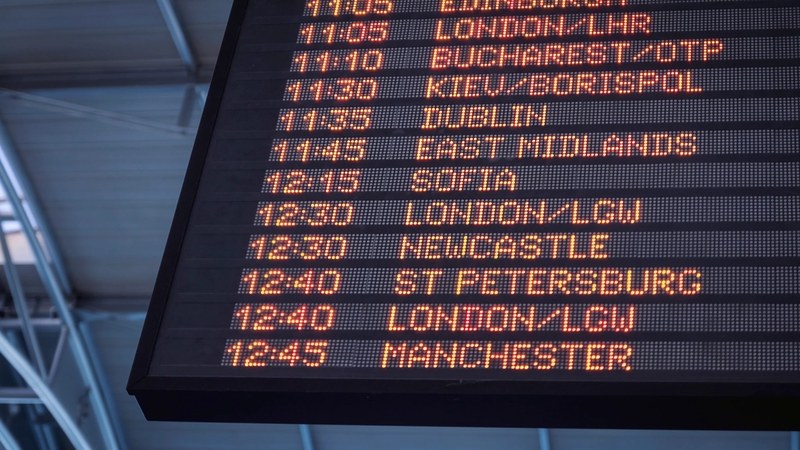
Europe faced significant flight disruptions on July 19, 2026, with 2,448 flights delayed and 85 cancelled across multiple countries including Spain, Germany, France, Austria, the United Kingdom, the Netherlands, Switzerland, Denmark, Ireland, and Iceland.
Disruptions at Major European Airports
Frankfurt Airport experienced the highest volume of delays with 283 flights delayed and 5 cancelled today, making it the busiest disrupted airport in Europe. Paris Charles de Gaulle reported 255 delays and 10 cancellations, while Zurich Airport saw 247 delays and 10 cancellations. Vienna Airport recorded 243 delayed flights and 7 cancellations. London Heathrow Airport registered 268 delays and 10 cancellations, maintaining its status as a
critical hub under pressure.
Impact on Leading Airlines
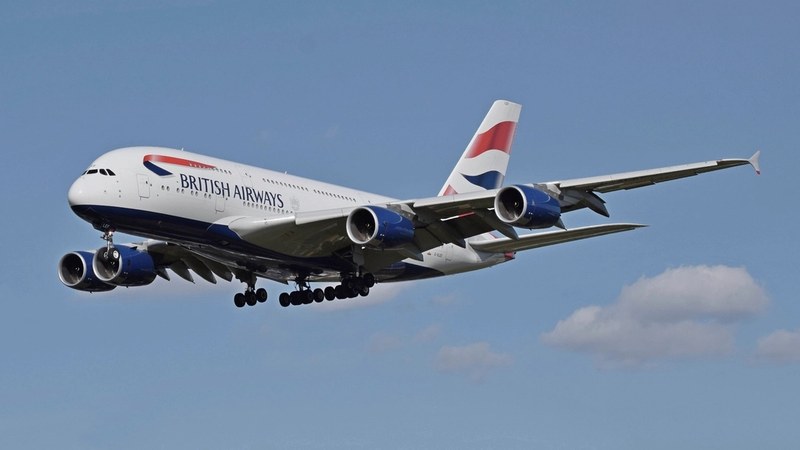
Austrian Airlines was the most affected carrier, with 153 delayed flights and 8 cancellations primarily at Vienna and Zurich. British Airways followed with 139 delayed flights and 4 cancellations, mainly concentrated at London Heathrow. Air France posted 125 delays and 3 cancellations mostly at Paris Charles de Gaulle. United Airlines recorded the highest number of cancellations at 15, spread across Heathrow, Paris, Zurich, Frankfurt, Dublin, Edinburgh, and Keflavik. Major carriers Lufthansa, Condor, Discover, Air Dolomiti, easyJet, HOP!, Delta Air Lines, Swiss, Air Baltic, Helvetic, Lauda Europe, Eurowings, Ryanair, American Airlines, and Emirates were also impacted by
the disruptions.
Causes Behind the Disruptions
The operational challenges contributing to delays and cancellations include congestion at Europe’s busiest hubs and the peak summer travel season increasing demand on airline and airport capacity. The tight connectivity between major airports such as Frankfurt, London, Paris, and Vienna means localized delays propagate rapidly across the network. Geopolitical factors also play a role; following an Iranian missile and drone attack on a US base in Jordan on July 17, which killed two American service members, US airstrikes increased security tensions. Heightened security measures and altered airspace considerations linked to Middle East instability have further pressured European flight
operations today.
Traveler Impact and Operational Outlook
Flight disruptions affected passengers traveling through Europe’s key airports, including those in London, Paris, Frankfurt, Madrid, Barcelona, Amsterdam, Vienna, Zurich, Dublin, Berlin, Copenhagen, Edinburgh, and Reykjavik. The number of delayed and canceled flights led to altered schedules across airline networks operating in these regions. Due to extensive airline connecting operations, delays at one airport have resulted in knock-on effects for aircraft and crew assignments elsewhere across Europe. Travelers currently on routes involving these hubs may face continued operational adjustments throughout the day.
Summer Travel Season Pressures
Europe’s peak summer travel demand is intensifying operational strain on its aviation network. The concentrated schedules
at major international airports combined with ongoing geopolitical volatility are amplifying delay effects. Real-time data aggregated from FlightAware and cross-checked by editorial staff reveal the scale of today’s disruptions, underscoring the challenges faced by airlines and airports in managing schedules amid these concurrent factors.