On 18 July 2026, Europe experienced widespread flight disruption with 57 cancellations and approximately 1,920 delays reported across six countries including England, Spain, the Netherlands, Germany, Denmark, and Russia.
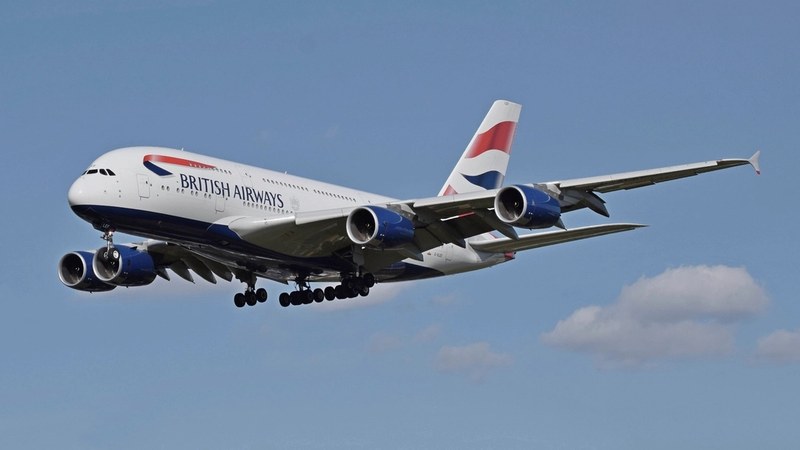
London Heathrow Airport faced the highest number of cancellations, while Madrid-Barajas and Munich airports were also under significant operational pressure. Airlines such as British Airways, KLM, Lufthansa, and easyJet bore the brunt of disruptions. British Airways led cancellations with 18 flights cancelled across affected airports, mainly at London Heathrow, with additional cancellations at Madrid-Barajas and Palma de Mallorca airports. KLM reported 11 cancellations primarily at Amsterdam Schiphol and Berlin Brandenburg airports.
Lufthansa had eight cancellations divided between Frankfurt and Munich.
Airline Disruptions Concentrated in Major European Hubs
Lufthansa accounted for the highest number of delayed flights across Europe, and together with easyJet, represented over 460 delayed flights. KLM, Transavia Airlines, Air Baltic, and Delta Air Lines were also affected by congestion at Amsterdam Schiphol. Iberia recorded 42 delays and 2 cancellations at Madrid-Barajas. Spain’s main leisure airports including Palma de Mallorca saw delays affecting airlines such as easyJet, Ryanair, Eurowings Europe, Vueling Airlines, Jet2, and Condor.
Frankfurt Airport led in overall delays, impacting not only Lufthansa but also Condor, Air Dolomiti, Discover, and City Airlines. Other airports reporting
significant disruption included London Gatwick, Copenhagen, Berlin Brandenburg, and Moscow’s Vnukovo Airport.
Airspace Restrictions from Middle East Hostilities Intensify Scheduling Challenges
Flight operations face added complexity due to ongoing airspace restrictions linked to renewed hostilities in the Middle East. Missile and drone threats in Gulf airspace, combined with recent military actions involving the United States and Iran, have forced airlines to avoid routes over Dubai, Doha, Abu Dhabi, Riyadh, Tel Aviv, Beirut, Amman, and Muscat.
Carriers avoiding the region include British Airways, KLM, Lufthansa, Virgin Atlantic, Air Canada, Air Baltic, Air France, Cathay Pacific, Japan Airlines, Norwegian, Pegasus, Singapore Airlines, and Wizz Air. These altered flight paths increase flight
durations and reduce operational flexibility, complicating airline recovery from delays even on European routes.
Passenger Impact Across Europe’s Largest Airports
Passengers traveling through Europe on 18 July 2026 faced extended delays and cancellations mainly at London Heathrow, Madrid-Barajas, Frankfurt, Munich, Amsterdam Schiphol, and Palma de Mallorca. British Airways disruptions largely drove cancellations at London Heathrow, while Iberia experienced significant delays at Madrid. The interconnected nature of Europe’s aviation network caused disruptions at these key hubs to ripple across neighboring countries.
Travelers experienced longer wait times, missed connections, and scheduling alterations at airports in England, Spain, the Netherlands, Germany, Denmark, and Russia. The combination of congested airport
operations and longer aircraft routing due to Middle East airspace restrictions reduced the ability of carriers to adjust schedules promptly.
These events underline the vulnerability of Europe’s air transport system to compound effects from both local operational issues and international security tensions, affecting airline capacity and passenger itineraries.