The European Union implemented its biometric Entry/Exit System (EES) at external border points in 29 countries starting in October 2025. The system’s phased rollout aims to reach full operation by spring 2026, replacing manual passport stamping with biometric data registration.
EES collects personal data along with facial images and fingerprints to improve border security and automate overstay detection. The system is overseen technically by eu-LISA, while national border services manage traveler data at airports, land, and sea crossing points within the Schengen area.
Queue Lengths and Processing Delays at Airports
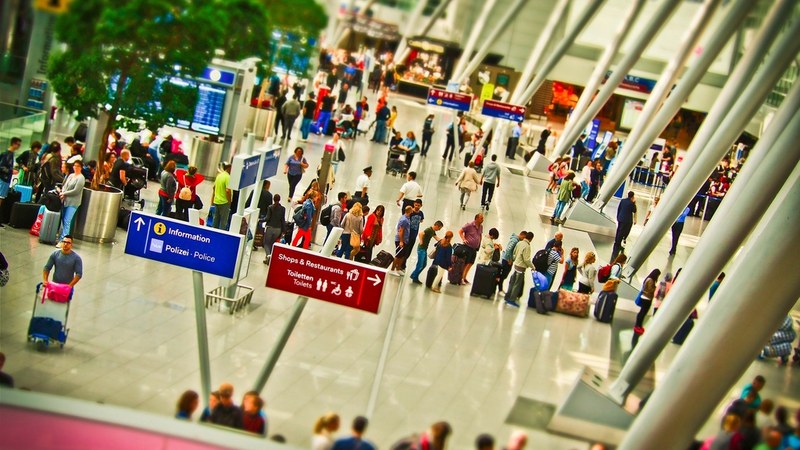
The biometric checks frequently cause queues extending up to two hours during peak periods at major EU
external border airports. These bottlenecks mostly affect first-time entrants required to submit full biometric data, resulting in slower processing. Parallel use of manual passport stamping during phased introduction duplicates work, further slowing border control.
Queue durations vary significantly by airport, influenced by local staffing levels, facility layout, and the stage of EES deployment. Industry and aviation organizations have warned that enforcing full biometric registration at all airports during the summer 2026 peak could cause wait times stretching to several hours, risking missed flights and substantial travel disruption.
Traveler Impact and Recommendations
Non-EU travelers have reported extended waiting times at border controls, with some missing
connections due to delays. Authorities advise travelers to arrive earlier than usual, preparing for longer biometric check processing times. Repeat travelers who have completed initial biometric enrollment benefit from quicker passage through self-service kiosks requiring fewer biometric verifications.
Operational Challenges and System Complexity
The shift to capturing biometric data introduces operational complexities that border staffing and infrastructure upgrades have yet to fully address. Limited kiosk availability, technological issues, and manual interventions for vulnerable traveler groups contribute to slowdowns. The concurrent operation of manual and digital systems during rollout complicates workflows and processing speed.
This complexity is compounded at land borders, where unpredictable arrival patterns of
vehicles challenge biometric kiosk processing capacity. Infrastructure enhancements like additional inspection lanes and covered waiting zones are still underway at several border crossings.
Flexibility Measures and Land Border Disruptions
The EU framework permits member states to temporarily reduce biometric data collection during periods of acute congestion to maintain steady passenger flow. European aviation groups have urged EU institutions to employ these flexibilities to limit excessive queue lengths.
Land border crossings experience notable delays, with the Croatia–Serbia border reporting traffic queues several kilometers long and waiting times lasting multiple hours in the summer of 2026. The processing of mixed traveler types requiring biometric registration, passport checks, and
customs controls intensifies delays during peak traffic.
Communication Efforts and Future Efficiency Improvements
Over time, EES aims to reduce reliance on manual passport stamping by expanding self-service options, speeding passage for enrolled travelers. National authorities retain discretion to temporarily limit biometric registrations to prioritize throughput during periods of extended queues.
Tourism and Industry Concerns
Travel and tourism sectors express concern that lengthy biometric border queues could hurt Europe’s attractiveness for long-haul visitors accustomed to rapid electronic processing in other regions. Aviation analysts highlight the challenges posed by dual manual and biometric systems prolonging passenger handling times.
Experiences at land borders under heavy summer traffic provide lessons for airports to refine
passenger flow management as the EES system matures.