The European Union launched its biometric Entry/Exit System (EES) in October 2025, deploying it across 29 countries at land, sea, and air crossings along the Schengen area external borders. The system collects facial images and fingerprints to replace manual passport stamping. Full operational status was targeted for spring 2026 under a phased rollout allowing gradual activation of border posts.
Operational Challenges and Queues During Peak Months
Reports during early 2026 indicated passenger wait times reaching up to two hours at several busy Schengen airports handling UK, US, and other non-EU nationals. Delays stem from the continued use of manual passport stamping alongside biometric registration, duplication of checks,
and the need for travelers new to EES to provide comprehensive biometric data during initial enrollment. Media and consumer reports referenced missed flight connections linked to these bottlenecks.
Infrastructure, Staffing, and Technology Issues
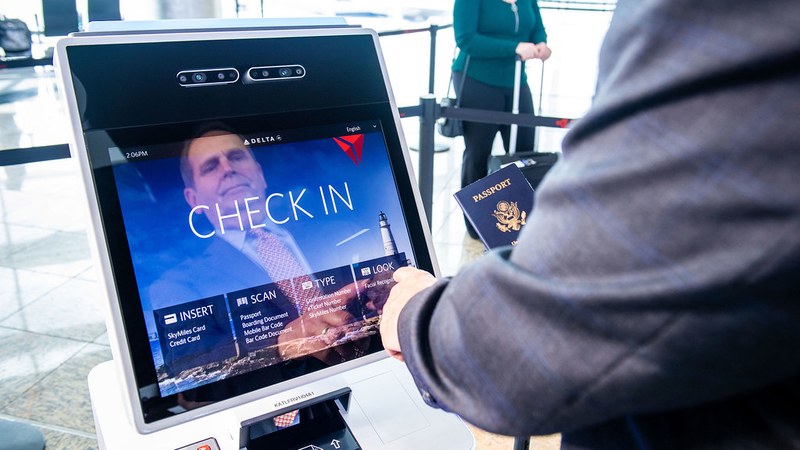
European aviation organizations warned that border control infrastructure and staffing have not adapted adequately to the complexity of the new biometric processes. Limited numbers of kiosks, technology glitches, and necessary manual handling for families, elderly travelers, and those unfamiliar with self-service systems compromise throughput. Industry groups have urged the European Commission and national governments to utilize EES flexibility mechanisms, including pausing or scaling back biometric capture during peak congestion.
Traveler Impacts and Guidance
Non-EU travelers face
longer queues and increased processing times at passport control, with some missing onward flight connections due to delays. Manual assistance remains common for vulnerable groups. Authorities recommend that passengers arrive earlier and consult resources like airport kiosk location maps and carrier notifications to prepare for biometric checks. Travel trade bodies suggest planning passport handling in advance, especially for families.
Official Positions and System Flexibility
Eu-LISA oversees the technical operations of EES, while national border services manage data collection. European Parliament briefings confirm that member states may temporarily limit biometric collection to prevent excessive queue lengths. Airlines and airports have publicly stated that staffing and infrastructural
deficits contribute to processing delays and advocate for system pause options during peak demand.
Land Border Congestion and Industry Context
The Croatia–Serbia border crossing has seen multi-hour waits and kilometer-long vehicle queues during summer 2026, partially attributed to EES processing requirements. Land crossings face challenges due to unpredictable traffic patterns and ongoing infrastructure upgrades. Transport analysts recommend applying insights from land border congestion to optimize airport biometric flows. Tourism stakeholders express concerns that persistent delays may negatively impact Europe’s appeal for long-haul visitors accustomed to rapid electronic entry systems elsewhere.