England’s rail network is set to experience slower train speeds and altered timetables starting 10 August 2026 as South Western Railway (SWR) and Network Rail respond to damage caused by persistent hot and dry weather.
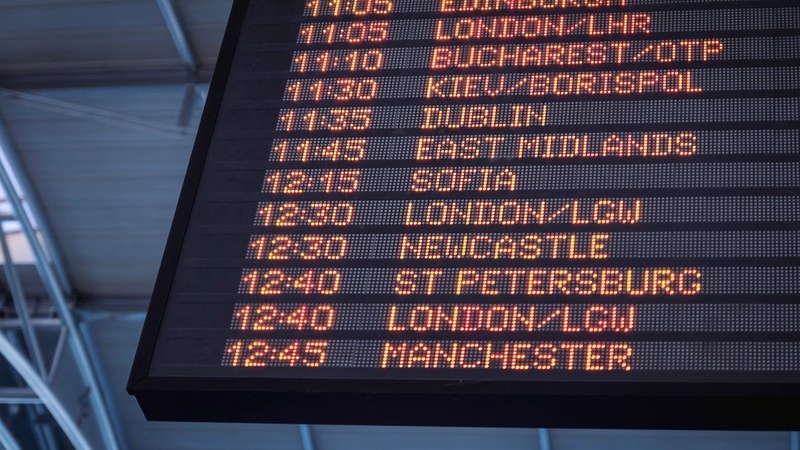
South Western Railway announced that services between Yeovil and Exeter St Davids will run at a reduced frequency of one train every two hours from Monday, 10 August. Journeys between London Waterloo and Exeter will take up to 27 minutes longer under the amended timetable. These timetable changes follow similar safety measures introduced by Network Rail on 3 August, affecting late-night services.
The imposed speed
restrictions and timetable adjustments apply until “the ground conditions have recovered,” according to Network Rail. Affected routes include Great Northern lines serving Cambridgeshire and Norfolk, Greater Anglia and c2c services in Essex, as well as the eastern portion of the Elizabeth line from London.
Cause: Heatwave and Soil Shrinkage Impact Tracks
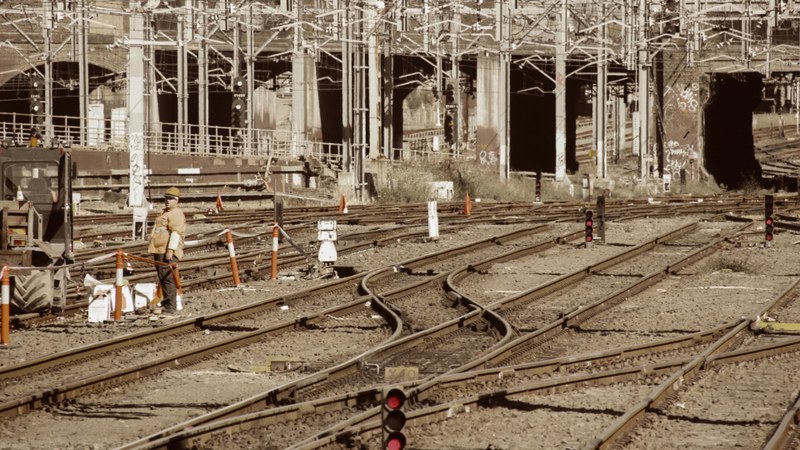
The adjustments address the effects of soil moisture deficit caused by unusually low rainfall in spring combined with consecutive heatwaves, as the UK faces its fourth heatwave of 2026. Clay soil embankments that support many railway tracks shrink during drought conditions, leading to distortion in track geometry.
Soil shrinkage causes sleepers to drop or move from
their original positions. Even minor changes to the track’s alignment and measurements require trains to run at reduced speeds to maintain safety.
SWR’s West of England line is particularly vulnerable to this issue and implemented comparable measures last summer following a similar dry period.
Network Rail Engineering Efforts to Stabilize Tracks
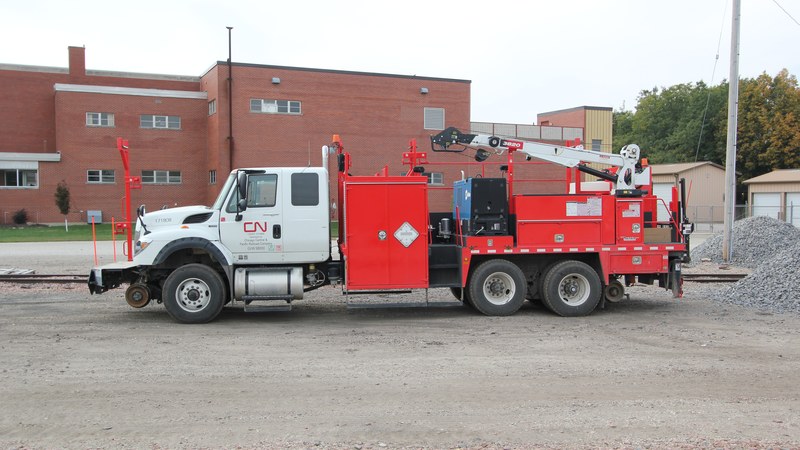
Network Rail engineers are combating the effects of dried-out soil by using tamping machines that lift the track and insert stone ballast to restore a solid foundation. Additional ballast has been laid to support track levels and stabilize sections affected by soil shrinkage.
In 2025, about 62 miles (100 kilometers) of track on Anglia routes underwent
tamping treatment. For 2026, Network Rail plans to add approximately 49,000 tonnes of ballast to maintain track stability ahead of and during the heatwave season.
Passenger Impact and Route Adjustments
Passengers traveling between London Waterloo and Exeter should expect journey times extended by as much as 27 minutes due to reduced speeds. Train frequency between Yeovil and Exeter St Davids will drop to one service every two hours starting 10 August.
Great Northern implemented timetable alterations from 3 August on lines serving King’s Lynn in Norfolk, including late-night speed restrictions. Greater Anglia and c2c routes in Essex have adjusted evening and late services, with some
replaced by rail replacement buses. The Elizabeth line is operating a reduced service between Gidea Park and Shenfield between 11pm and midnight on specified dates.
Official Statements on Weather-Related Measures
Lawrence Bowman, managing director of South Western Railway and Network Rail Wessex, said: “Extreme weather events are becoming increasingly common, and this is the second year in a row that prolonged hot, dry weather has affected our network.” He added that since last summer’s intervention, investments in route strengthening and track and embankment works have been made.
Bowman noted, “As a result of that careful planning, we’ve managed to reduce journey times in our amended
timetable by around 30 minutes compared to last year, minimising the impact on our customers while also keeping them safe.”