Major damage to overhead electric wires between Peterborough and Stevenage on August 16, 2026, caused suspension and severe restrictions on train services running on the East Coast Main Line. Rail traffic was blocked through this key corridor, prompting widespread cancellations and delays impacting multiple operators.
Affected Operators and Routes
The disruption affected services operated by LNER, Great Northern, Grand Central, Hull Trains, Lumo, and Thameslink. Key routes impacted include connections from Sunderland, Bradford, Halifax, Aberdeen, Edinburgh, Newcastle, York, Harrogate, Skipton, Bradford Forster Square, Leeds, Lincoln, Beverley, Hull, and Glasgow Queen Street to London King’s Cross. Operations on the East Coast Main Line faced continual
delays throughout Sunday, August 16.
Official Travel Warnings and Ticket Validity
LNER issued a clear advisory that customers should not travel on August 16, 2026, due to the severe level of disruption. Tickets with this date remain valid for travel on August 17 and 18. National Rail also urged passengers to monitor updates from their train companies as disruptions persisted and added that extensive safety checks were necessary before repairs could begin.
Passenger Impact and Station Conditions
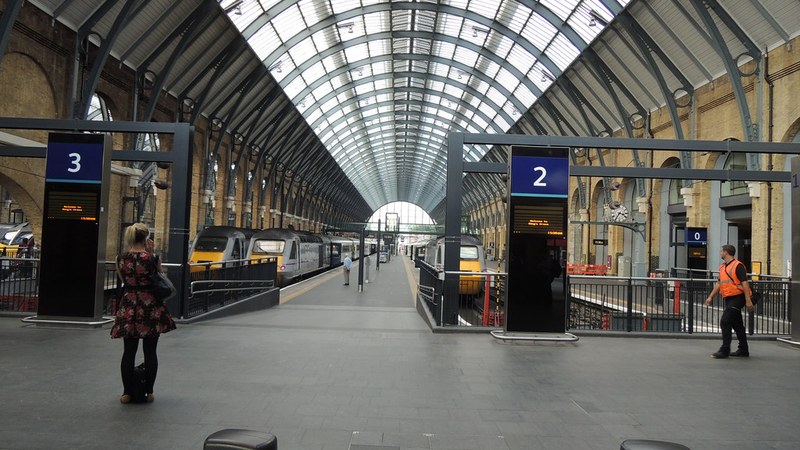
Passengers at London King’s Cross encountered large queues and chaotic conditions on August 16. Some reported being stranded without assistance while waiting for updates amid cancellations and delays extending up to two hours. The
congestion at Doncaster created bottlenecks that caused delays to ripple across the network. LNER described the situation as severe, reiterating a “DO NOT TRAVEL” notice for the day.
Repair Complexity and Network Bottlenecks
The damaged overhead line equipment carries high-voltage electricity, requiring comprehensive safety inspections before any repair work can commence. Given the extent of the damage across multiple sections, repair and recovery are expected to be complex and time-consuming. The resulting delays and cancellations impacted not only the East Coast Main Line segments but also caused network-wide congestion, particularly around the Doncaster area.