Copenhagen’s 28-kilometre orbital light rail line connecting Ishøj and Lundtofte was completed on August 22, 2026, with the opening of its second phase stretching 14.9 km from Rødovre Nord to Lundtofte. The first phase, covering 13.1 km between Ishøj and Rødovre Nord and featuring 12 stops, began service on October 26, 2025. The inauguration on August 22 involved a departure from Rødovre Nord at 10:30 with invited guests, followed by progressive passenger service introduction along the extension, achieving full bidirectional operation by 11:30. Main opening-day celebrations took place at Gladsaxe Rådhus, accompanied by a public festival, with free travel offered
to around 50,000 passengers that day.
Technical and Operational Details of the Light Rail
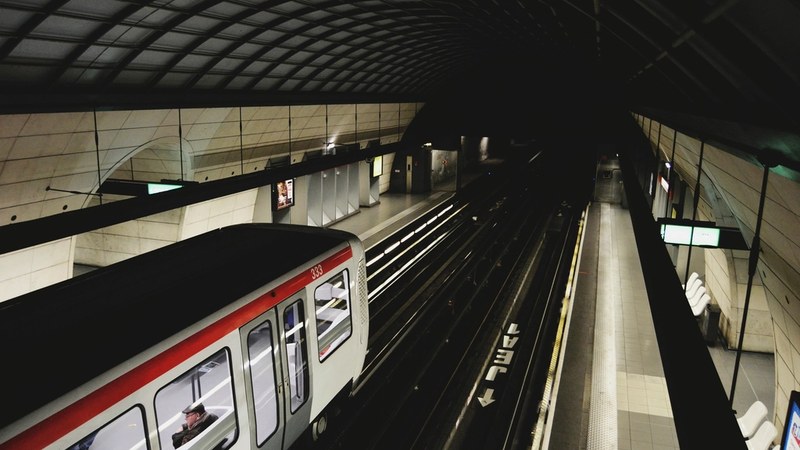
The light rail service operates 29 Siemens Mobility Avenio four-section vehicles, each 36.9 metres long with a maximum capacity of 260 passengers, including 64 seated. Service frequency runs every 10 minutes during off-peak periods and every 5 to 8 minutes during peak times. The full end-to-end journey along the orbital line takes 58 minutes. After a running-in period expected to last three to six months, service frequency is planned to increase to every 5 minutes throughout the daytime. Bicycles are permitted on board the vehicles.
Construction, Budget, and Contracting
Construction of the light rail began in 2018 and
was divided into five geographical packages. The northern section, spanning the second phase, involved main contractors Per Aarsleff and CG Jensen. The overall project cost rose from an initial budget of approximately DKr5.1 billion to a revised final budget of DKr9.3 billion including reserves. Funding was provided through combined contributions of 40% from the national government, 34% from participating municipalities, and 26% from the capital region. Siemens Mobility and the Aarsleff Rail consortium delivered electrification, signalling, depot equipment, project management, and system integration. Track installation was subcontracted to Rhomberg Sersa Rail Group. Siemens Mobility will maintain the infrastructure over 15
years, while a 15-year operations and maintenance contract was awarded to Metro Services, a subsidiary of Milan-based ATM, which also operates Copenhagen’s metro system.
Official Statements and Traveler Impact
According to Hanne Tærsbøl Schmidt, director of the locally owned project promoter Hovedstadens Letbane, the completion of Copenhagen’s full-length orbital light rail represents a significant achievement resulting from extended collaboration between the capital region, 11 municipal authorities, and contractors. The new service facilitates easier cross-capital travel without requiring passage through the city center. Mayor of Gladsaxe Serdal Benli noted that the tramway connects the entire capital region and is expected to reduce noise and road congestion
by encouraging public transport usage. The line follows the capital’s O3 ring road, serving residential neighborhoods, workplaces, hospitals, educational institutions, and major transport hubs. Free travel on the opening day attracted approximately 50,000 passengers.